A Guide to Showa-Era Japan: Where to Experience the Country’s Nostalgic Past
Aug 5, 2026
BY Brijen Ezra
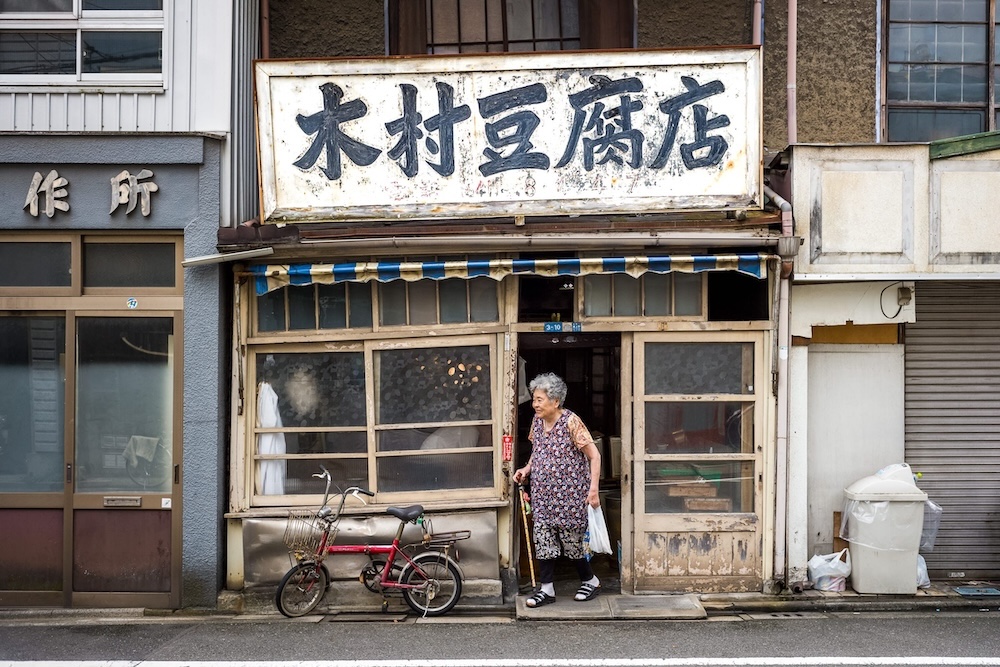
So much of Japan moves so quickly. Neon advertisements flash in Shinjuku, Shinkansen move between cities in minutes, and new technology seems to debut every week. But in certain neighborhoods, preserved in shopping streets, and celebrated in museums across the country, there’s a quieter Japan that refuses to fade. This is Showa-era Japan, the period from 1926 to 1989, when the country transformed from pre-war militarism through post-war recovery to become an economic powerhouse. If you’re drawn to vintage aesthetics, want to see what Japan looked like before smartphones and conveyor-belt sushi, or just curious about the country’s recent past, there are plenty of places where Showa nostalgia is alive and well.
Understanding the Showa Era
The Showa period lasted 63 years under Emperor Hirohito’s reign, making it the longest era in Japanese history. It’s a complex period that includes World War II, the American occupation, rapid industrialization, and the bubble economy of the 1980s. But when Japanese people talk about Showa, they usually mean roughly the 1950s through the 1970s.
This was the time when refrigerators and TVs became household staples, Western influences mixed with traditional Japanese culture, and local shopping streets were the center of community life. Things like wooden telephone poles, hand-painted shop signs, narrow alleyways with red lanterns, kissaten (traditional coffee shops) serving thick toast and cream soda, are characteristic of the era, as well as the general feeling that people weren’t quite so rushed.
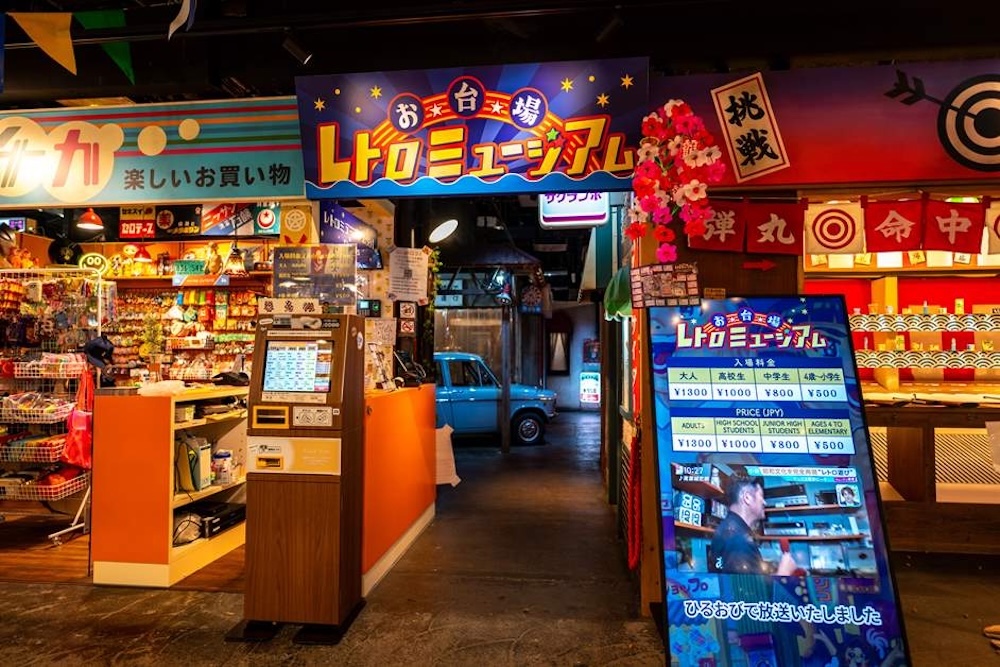
Odaiba Retro Museum – Photo Credit: Visit Minato City
Odaiba Retro Museum
The Odaiba Retro Museum opened in April 2025 on the fourth floor of Decks Tokyo Beach, and it’s become one of the most accessible ways to experience Showa culture in Tokyo. Unlike museums that just display objects behind glass, this one lets you walk through recreated townscapes from the 1950s and 60s.
You’ll find a full Mazda Carol from 1962 parked in a garage, an old electronics shop filled with boxy TVs and rotary-dial phones, a wooden elementary school classroom with no air conditioning, and a dining kitchen complete with mesh food covers to protect dishes from flies. Red public phones, retro arcade games you can actually play, and even a public bathhouse entrance are all part of the experience.
The museum costs 1,300 yen for adults, and photography is encouraged. What makes it work is the attention to small details: the background music playing hit songs from the era, the realistic sound and lighting in different rooms, and the authentic period appliances.
Website: https://odaiba-retromuseum.tokyo.jp/
Address: 〒135-0091 Tokyo, Minato City, Daiba, 1 Chome−6−1 デックス東京ビーチ シーサイドモール 4階
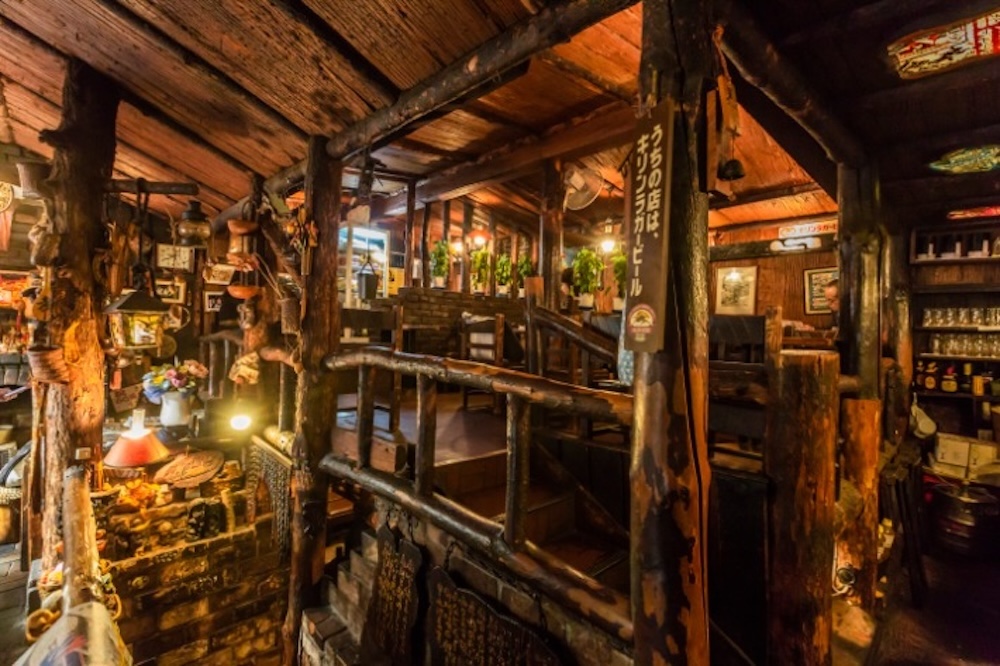
Sabouru – Photo Credit: Visit Chiyoda
Traditional kissaten
Kissaten are old-school Japanese coffee shops, and they’re fundamentally different from modern cafes. The coffee is strong and bitter, served in heavy ceramic cups. The furniture is worn but comfortable. There’s usually a master or mama-san who’s been running the place for decades. And the menu features classics like Napolitan pasta (a Japanese take on spaghetti with ketchup-based sauce), thick-cut toast with butter, omuraisu (omelet rice), and cream soda floats.
Sabouru in Jinbocho is probably Tokyo’s most famous kissaten. Founded in 1955, it’s been a gathering spot for writers and intellectuals for decades. The interior is crammed with vintage posters, old books, and a cluttered but intentional atmosphere. Their Napolitan is a huge portion with bacon, sausage, mushrooms, onions, and peppers in a sweet tomato sauce. Lines form before lunch, especially on weekends, and the crowd is now a mix of elderly regulars and young people discovering it for the first time.
Address: 〒101-0051 Tokyo, Chiyoda City, Kanda Jinbocho, 1 Chome−11
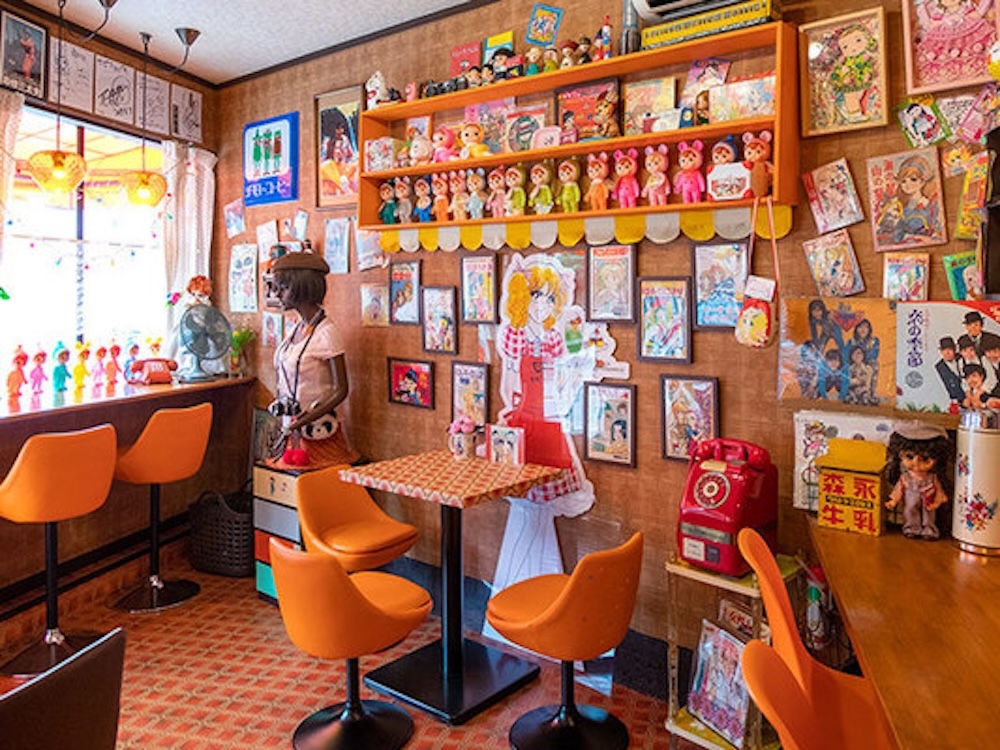
Cafe Sepia – Photo Credit: Dig Japan!
Café Sepia in Shibamata is smaller and harder to find, which is part of its charm. The entire place is decorated with Showa-era toys, posters, records, and comic books from the 1950s to 1980s. The owner is friendly, the atmosphere is genuine, and the Napolitan and melon soda float hit exactly the right nostalgic notes. It’s cash only and feels like walking into someone’s personal collection, because it pretty much is.
Address: 7 Chome-4-11 Shibamata, Katsushika City, Tokyo 125-0052
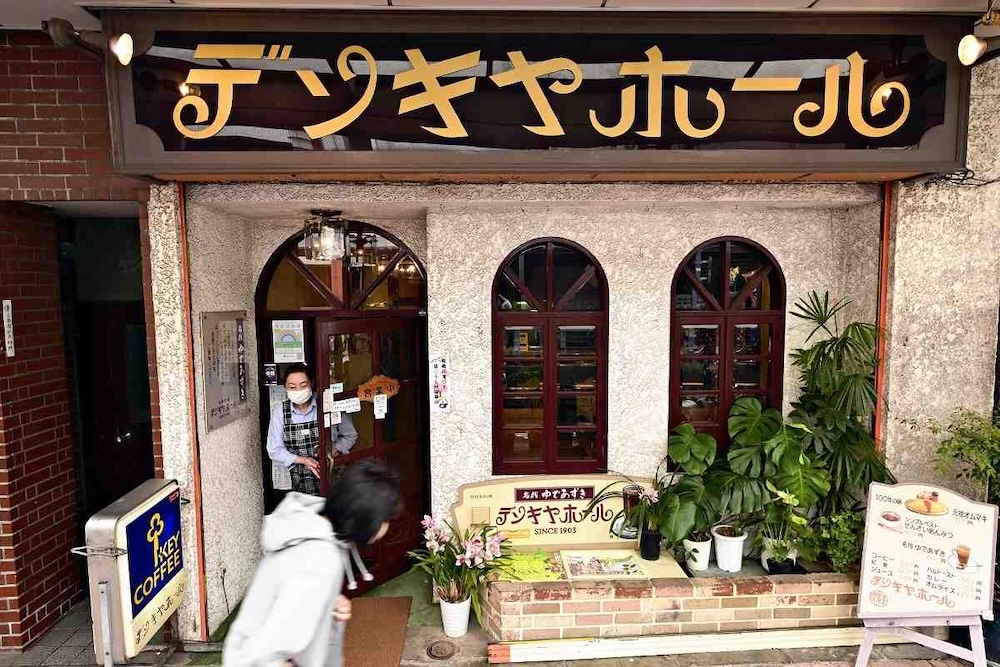
Dekinya Hall – Photo Credit: The Japan News
Denkiya Hall in Asakusa has been around for a century and features arcade game tables built into the floor. You can play while you eat. The neighborhood itself (around Sensoji Temple) is much quieter than the main tourist areas, and the cafe fits right into the local, residential vibe.
These aren’t trendy retro-themed cafes trying to look old. They are just old, and they’ve stuck around by staying the same for decades. That authenticity is what makes them special.
Address: 4 Chome-20-3 Asakusa, Taito City, Tokyo 111-0032
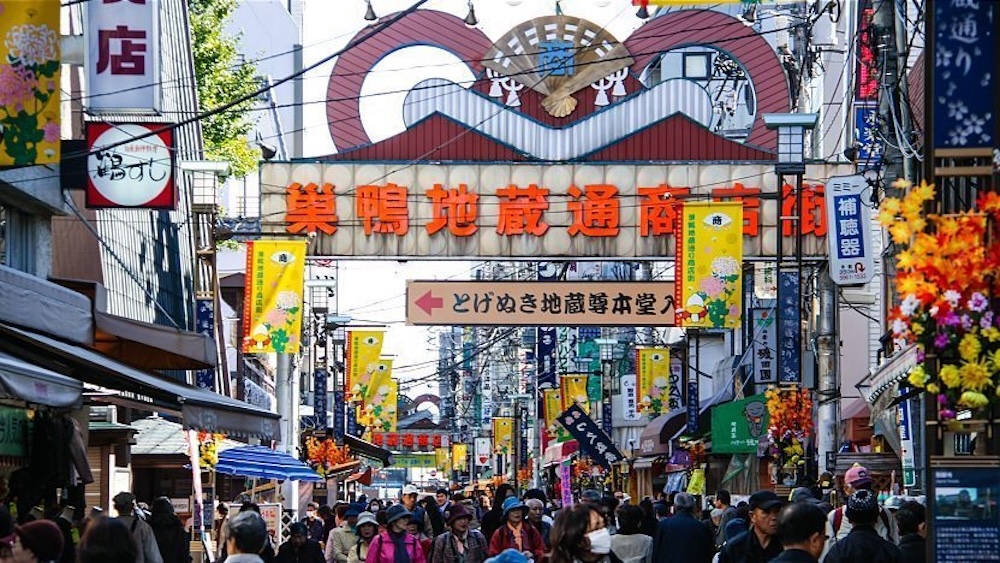
Sugamo – Photo Credit: Japan Guide
Neighborhoods where Showa lives on
Certain Tokyo neighborhoods have retained more of their Showa character than others.
Sugamo is sometimes called “Grandma’s Harajuku” because it’s beloved by older visitors. The Jizo-dori shopping street near Togenuki Jizo Temple is lined with traditional sweet shops, stores selling red underwear (considered lucky), and retro cafes. The signage, the pace, and the whole atmosphere feel slower and more rooted in the past.
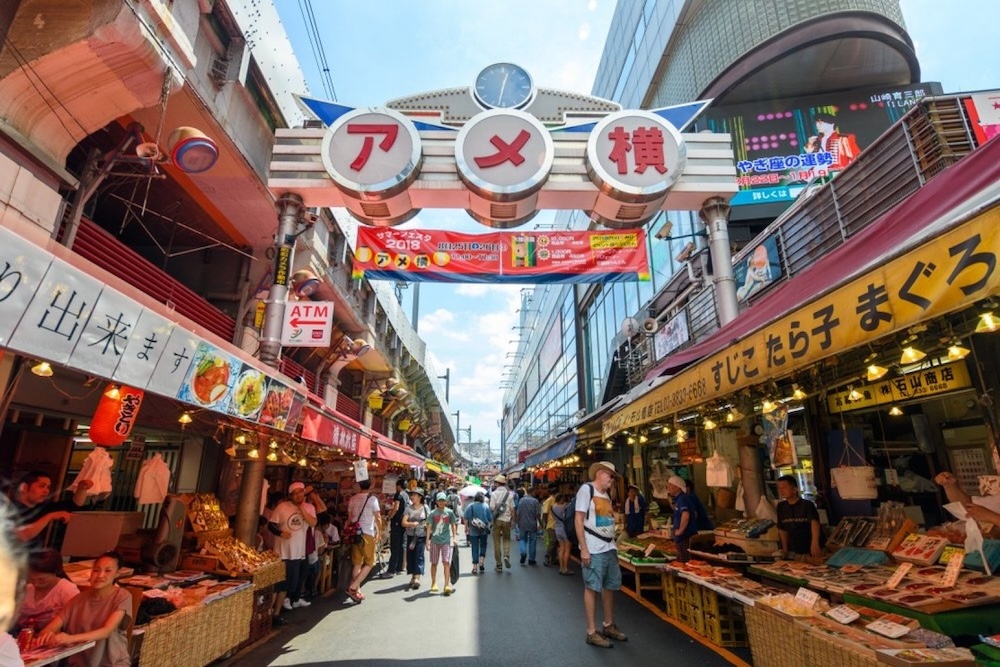
Ameyoko – Photo Credit: Japan Travel
Ameyoko in Ueno started as a post-war black market and still has that chaotic energy. Vendors shout out deals, narrow passages are packed with shoppers, and you can find everything from dried seafood to vintage clothing. The bulk goods stores and tiny izakayas give you a sense of what Tokyo’s markets felt like decades ago.
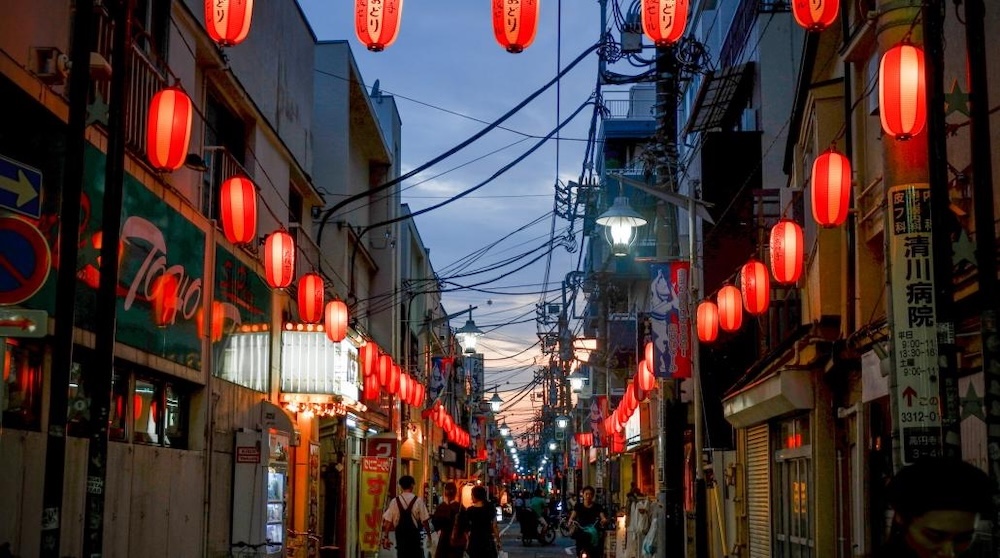
Koenji – Photo Credit: Kanpai Japan
Koenji has become a hub for vintage clothing, record stores, and retro-themed bars. The neighborhood draws younger people who are into Showa aesthetics, so it’s more of a curated nostalgia scene than accidental preservation. Still, the narrow streets and independent shops feel different than Tokyo’s modern commercial districts.
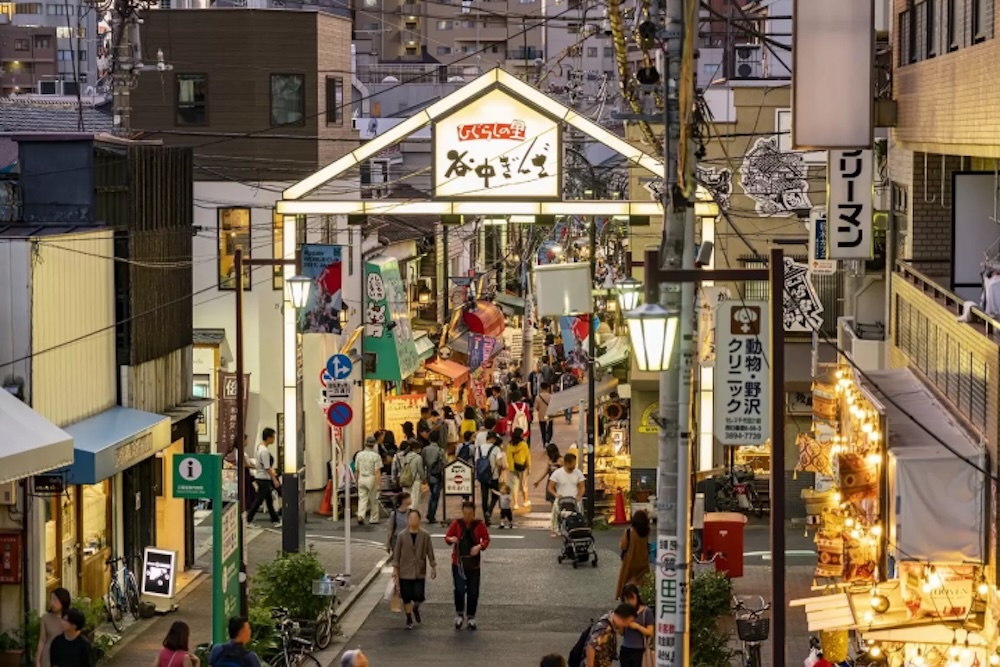
Yanasen – Photo Credit: Matcha
Yanesen (a nickname combining Yanaka, Nezu, and Sendagi) survived World War II bombing, so its wooden houses and narrow streets date back even further than Showa. It’s one of the few places in Tokyo where you can still experience what a residential neighborhood felt like back then.
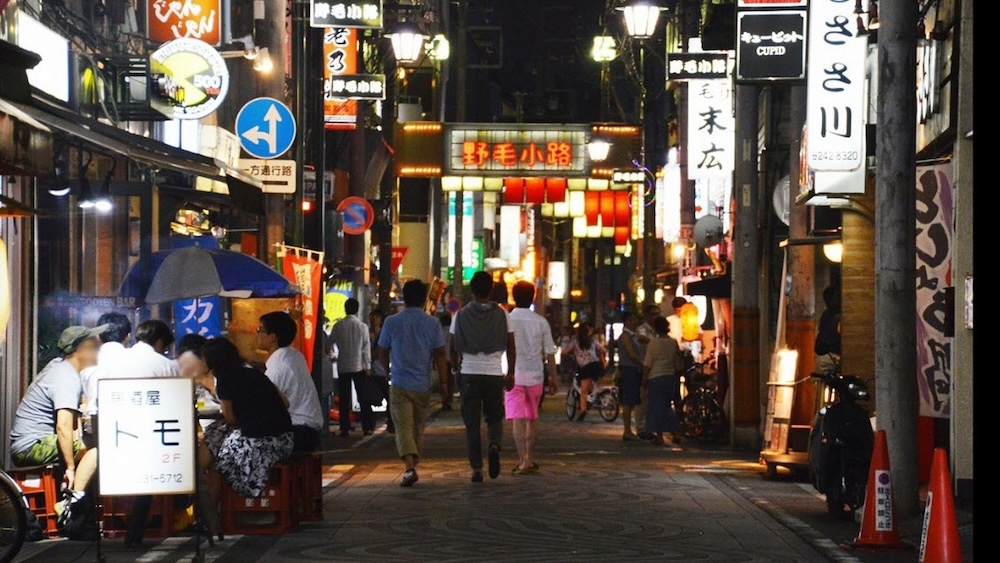
Nogecho – Photo Credit: Tokyo Day Trip: Kanagawa Travel Info
Day trips worth taking: Nogecho and Tateishi
If you’re willing to venture slightly outside central Tokyo, two neighborhoods offer particularly strong Showa atmospheres that feel worlds away from the modern city.
Nogecho (Noge) in Yokohama is a drinking district that emerged as a black market after World War II and evolved into an entertainment hub influenced by American soldiers stationed nearby. Just minutes from Sakuragicho Station, it’s packed with over 600 bars, izakayas, and jazz clubs crammed into narrow alleyways lined with red lanterns.
What makes Noge special is how lived-in it feels. The buildings are super worn, and the overall vibe feels incredibly retro. Many establishments are tiny with regulars only, and owners who’ve been pouring drinks for decades. On the other hand, most other spots are welcoming to first-time customers. The local specialty is motsuyaki (grilled offal), and standing bars serve fresh seafood brought in daily from Yokohama’s markets. Jazz has been part of Noge’s DNA since the 1930s, and Japan’s oldest jazz cafe, Chigusa, is still here.
The Miyakobashi Shotengai is Noge’s centerpiece. It is a two-story arc-shaped building that follows the riverbank, housing about 60 tiny standing bars and snack shops. Walking through feels like stepping onto a film set. The atmosphere is gritty but friendly, and incredibly nostalgic.
Noge is best experienced through bar-hopping. Have oden and a highball at one spot, move to another for yakitori or motsuyaki, end the night with a cocktail somewhere tucked on a third floor. Unlike Tokyo’s Golden Gai, which has become somewhat overrun with tourists, Noge still feels like a local secret. It’s only 30 minutes from Tokyo Station via the Keihin-Tohoku Line to Sakuragicho.
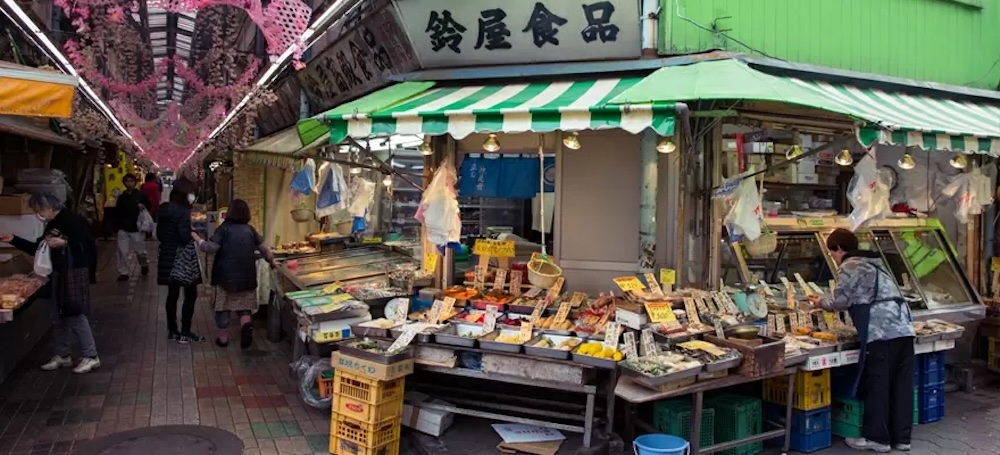
Tateishi – Photo Credit: Dig Japan!
Keisei Tateishi in Tokyo’s Katsushika Ward represents a different slice of Showa, the working-class shotengai (shopping street) that once defined neighborhood life across Japan. Located about 15 minutes from Asakusa and just three stops from Tokyo Skytree, Tateishi feels like it exists in a different era entirely.
The Tateishi Nakamise Shotengai and surrounding streets originated as post-war black markets in the 1940s and evolved into covered arcades by 1954. Walking through, you’ll see tiny storefronts selling groceries, prepared foods, and everyday essentials. There’s a toy shop with old mechanical games outside. Izakayas serve motsuyaki elbow-to-elbow with chatty, friendly locals. There are plenty of fading, hand-painted signs. Shopkeepers call out greetings. Everything is cash-only and dirt cheap.
This is real shitamachi Tokyo, the downtown working-class neighborhoods where people still shop daily at local vendors rather than supermarkets. Kids play in narrow streets, and nothing is wrapped in plastic or designed for Instagram. The whole area has a retro feel that makes you genuinely uncertain what decade you’re in.
Unfortunately, Tateishi is facing demolition and redevelopment in the next few years. Redevelopment is already happening north of the station, and the shotengai is scheduled for demolition within a few years to make way for high-rise apartments and modern retail. If you want to experience this slice of Showa Tokyo before it disappears, go soon. The area also has several traditional sento (public bathhouses), including Naruhiroyu, which dates to the 1950s and features a Mount Fuji mural.
I personally frequent both Noge and Tateishi when I go out with friends. I find the Showa vibes and walkability beautiful and perfect for slow exploration. Now, I have my spots that I always visit, but during my first visits years ago, I remember being in awe, just wandering around and being introduced to different shops and restaurants by friends. These aren’t attractions you can tick off a list in 30 minutes. There are places to wander, eat, drink, and observe daily life unfolding in ways that feel increasingly rare in modern Japan.
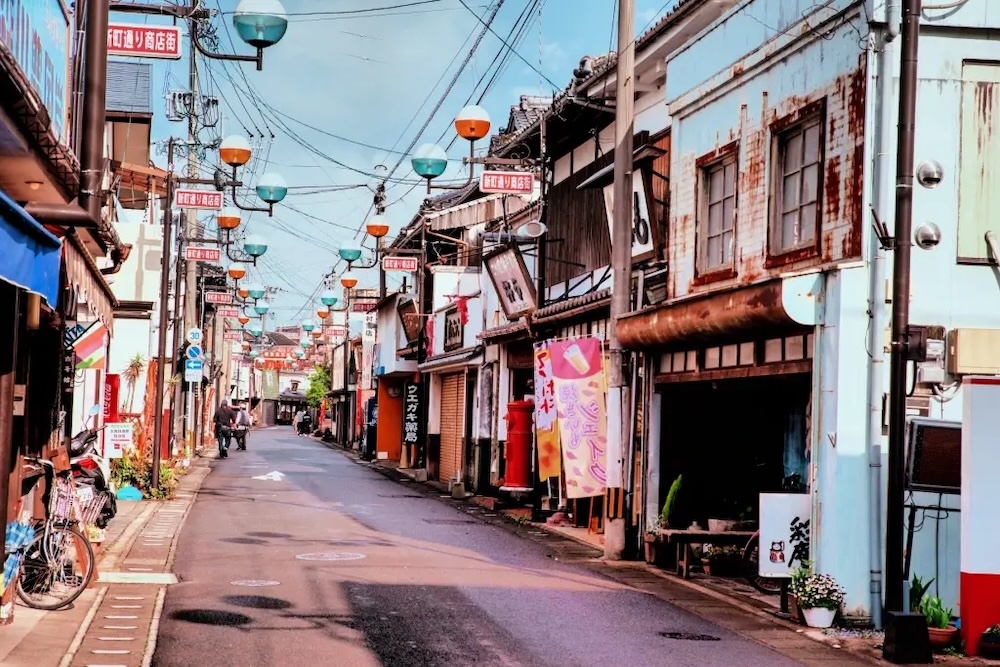
Showa no Machi – Photo Credit: Sakura
Showa no Machi
If you want the complete Showa experience, Bungotakada’s Showa no Machi in Oita Prefecture is worth the trip. This isn’t a museum, but an entire preserved shopping district that looks and feels like the 1950s and 60s.
The 550-meter main street is lined with storefronts that have maintained their original facades, complete with hand-painted signs and vintage architecture. Electronics shops sell cathode-ray TVs and record players. Candy stores stock dagashi (cheap traditional sweets). Cafes serve cream soda and Napolitan. On weekends, a 1957 bonnet bus gives free tours through the district.
The Showa Romantic Collection museum complex includes several buildings with different themes. The Candy Shop Dream Museum houses over 300,000 vintage toys. The Showa Yumemachi 3-chome Hall recreates a full-scale Showa house with realistic sound and lighting that cycles through different times of day.
What’s remarkable about Showa no Machi is that it’s not just tourist dressing. Many of the businesses are still operating, locals still shop there, and the whole district functions as a real community space that just happens to look like it’s stuck in the 1960s.
The Showa aesthetic: what to look for
Once you start noticing Showa elements, you’ll see them everywhere in Japan. Here’s what defines the look and feel:
- Hand-painted signage with bold lettering and bright colors (orange, green, yellow)
- Red cylindrical postboxes and green public telephone booths
- Rotary-dial phones and boxy TVs with dials instead of remotes
- Wooden architecture with sliding doors and tatami floors
- Mesh food covers (called “haicho”) to protect dishes from flies
- Analog record players and cassette tapes
- Flower-patterned dishware and glassware
- Movie posters with dramatic painted artwork instead of photographic prints
- Narrow alleyways with hanging lanterns and small bars
- Vintage arcade games and pinball machines
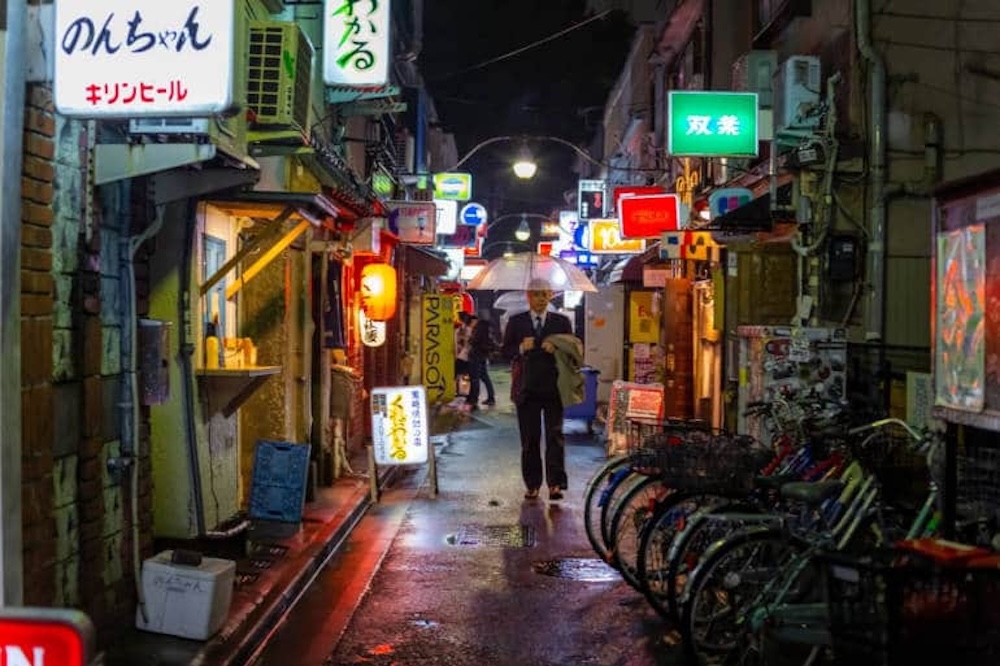
Golden Gai – Photo Credit: Tokyo Cheapo
Practical tips for exploring Showa Japan
Respect the spaces. These kissaten and neighborhoods aren’t theme parks. They’re real places where people work and live. Follow the unspoken rules: don’t be too loud, order something if you sit down, and ask before taking photos of people.
Bring cash. Most retro spots don’t take credit cards or electronic payment.
Go during off-peak hours. Weekday afternoons are usually quieter than weekends. You’ll have more time to look around and actually absorb the atmosphere.
Combine experiences. Showa neighborhoods often cluster. You can visit Asakusa’s retro cafes, then walk to nearby Ameyoko. Or explore Jinbocho’s kissaten and bookstores in one afternoon.
Don’t rush. The whole point of Showa culture is a slower pace. If you’re trying to hit five cafes in two hours, you’re missing it. Sit, drink your coffee, and people-watch.
Why Showa nostalgia matters
It’s easy to dismiss this as just retro tourism or older generations clinging to the past. But I think Show nostalgia is about remembering a time before life accelerated quite so much, when neighborhoods had more character, when craftsmanship mattered, when people had time to talk to their local shopkeeper. For younger Japanese people and international visitors, it offers a window into a Japan that’s rapidly disappearing. Every year, more old buildings get torn down and replaced with modern ones. More independent shops close and chains move in. The places I’ve written about above are living spaces that have chosen to maintain continuity with the past even as everything around them changes. Not nostalgia for nostalgia’s sake, but cultural preservation with purpose.
Featured Photo Credit: Tokyo Times
Coming to Tokyo and want to experience the Showa Era’s charm? Join us on our Super Sugamo Local Foodie Adventure or the Retro Shibuya Food Tour to experience Japanese Showa culture while enjoying delicious food!
Book your pocket wifi now to stay connected through your entire Japan Journey!

Be sure to get the JR Pass to make navigating Japan during your trip that much easier!
YOU MIGHT ALSO LIKE