ASIAN GAMES IN NAGOYA 2026
Jul 10, 2026
BY Maria Diaz

If you’ve been waiting for the perfect moment to visit Japan, this is it. In September 2026, the Asian Games will arrive in Nagoya, transforming this dynamic yet often overlooked city into one of Asia’s most exciting destinations. With world-class sporting events, a lively international atmosphere, and Nagoya’s unique blend of tradition and modernity, this is more than just a trip; it’s an experience you’ll remember long after the closing ceremony. So, let’s have a closer look at exactly what makes this one-of-a-kind sporting event truly special!
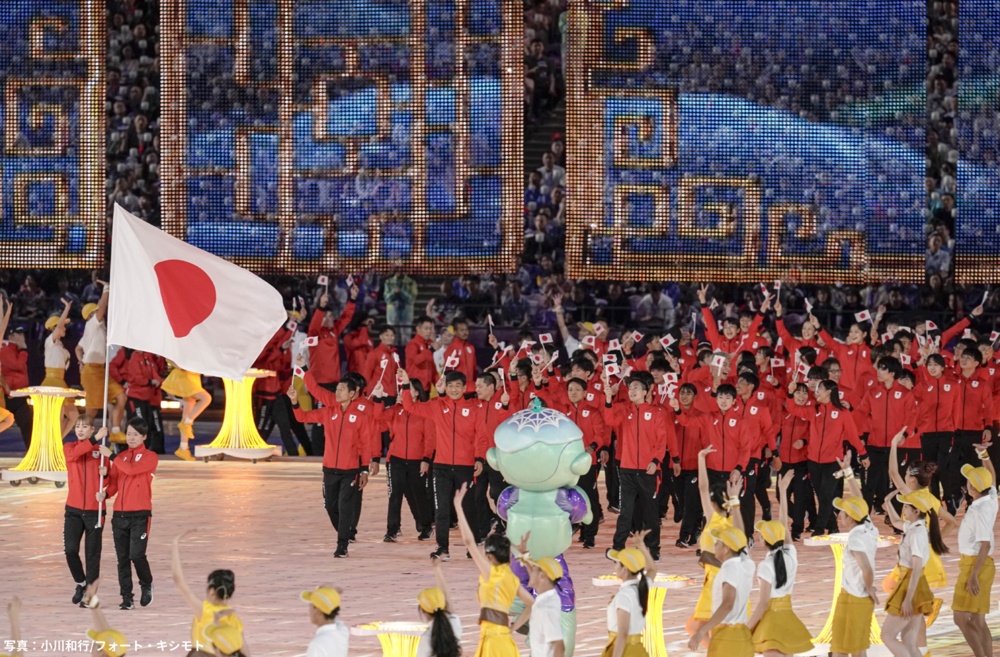
The Japanese team making their entrance at the 19th Asian Games in Hangzhou (2022) – Photo Credit: JOC
What Are the Asian Games?
The Asian Games are one of the biggest sporting events in the world, often described as the “Olympics of Asia”. Held every four years and organized by the Olympic Council of Asia, the Games bring together elite athletes from across the continent to compete in everything from athletics and swimming to martial arts and esports. It’s a massive celebration of sport, but also of culture, diversity, and connection across Asia.
So, who can participate? The Games are open to athletes from countries and regions that are members of the Olympic Council of Asia, currently 45 in total. This includes nations from East Asia, Southeast Asia, South Asia, Central Asia, and the Middle East. In other words, it’s exclusively for Asian participants, which gives the event its unique identity and flavor. You’ll see rising stars and world champions representing places like Japan, South Korea, India, China, Indonesia, and many more, all competing on one stage.
What makes the Asian Games especially exciting is this mix of global-level competition and regional pride. You get Olympic-level performances, but with a strong sense of cultural identity and friendly rivalry between neighboring countries. Even if you’re not following a specific team, it’s easy to get swept up in the atmosphere: cheering crowds, colorful ceremonies, and the shared excitement of thousands of athletes chasing their moment.
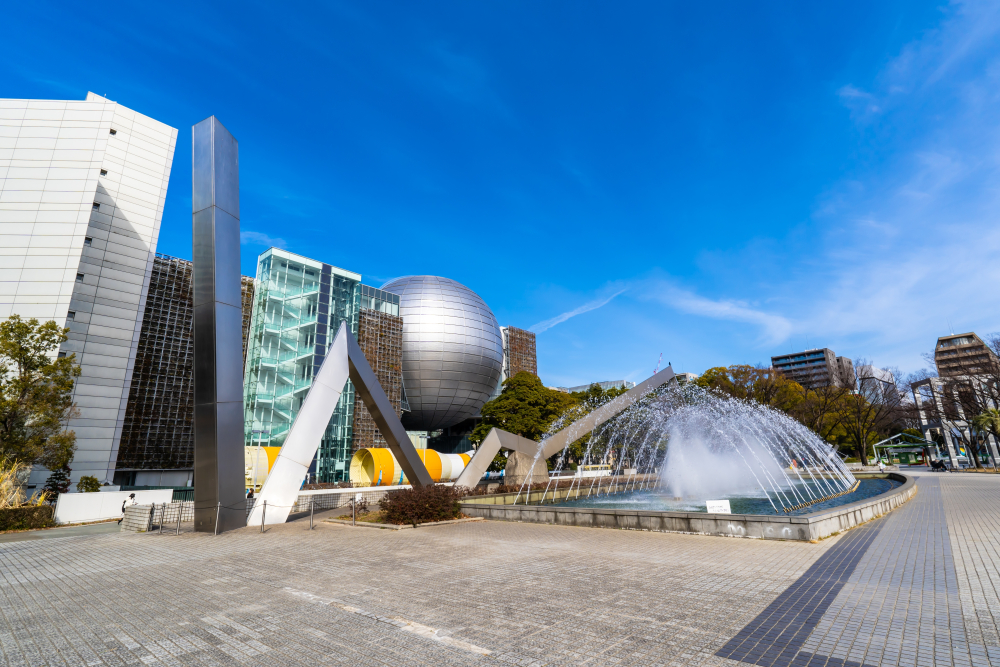
Shirakawa Park, one of the most innovative places in Nagoya – Photo Credit: takuya kanzaki
Nagoya, the Host City
So why was Nagoya chosen as the host city? One of the key reasons is its perfect balance of infrastructure, accessibility, and livability. Located in the heart of Japan, Nagoya is incredibly well connected by the Shinkansen, making it easy for visitors to travel from Tokyo, Osaka, and beyond. The wider Aichi region also offers a strong network of existing sports venues and modern facilities, meaning the Games can be hosted efficiently and sustainably without the need for excessive new construction.
Beyond logistics, Nagoya was selected because it represents a different side of Japan: one that is innovative, industrially strong, and culturally rich, yet less crowded than the country’s more famous tourist hubs. As a major center of manufacturing and technology (it’s the home of companies like Toyota), the city reflects forward-thinking values that align well with the modern vision of the Asian Games. At the same time, its local culture, food scene, and welcoming atmosphere make it an ideal place to host an international audience. In many ways, choosing Nagoya is about shining a spotlight on a city that perfectly blends tradition, innovation, and everyday authenticity, offering visitors something both exciting and refreshingly new.

20th Asian Games ticket sample – Photo Credit: 20th Asian Games
What You Need to Know About the Event
The Asian Games 2026 will run for 16 exciting days, from September 19th to October 4th 2026, kicking off with a spectacular opening ceremony and wrapping up with a big, emotional finale. During that time, competitions happen throughout the day, typically starting in the morning and continuing into the evening, with many of the most anticipated finals scheduled later in the day when the atmosphere is at its peak. This means you can easily shape your day around the Games: maybe a morning event, an afternoon exploring the city, and an evening final to end on a high.
When it comes to tickets, the process is designed to be pretty straightforward and accessible, even for international visitors. Tickets are sold online through the official Games website, and the first step is usually creating a “Supporter ID”, which gives you access to ticket sales and updates. From there, you can browse by sport, date, or venue, choose your seats, and book directly. Sales are released in phases, starting with early pre-sales (which have already finished), followed by general sales (check their availability here), so planning ahead definitely helps, especially for popular events and ceremonies. The best part? There’s flexibility built in, so you don’t need to lock in every moment, just secure a few key events and leave room to explore, soak up the atmosphere, and enjoy everything else Nagoya has to offer.
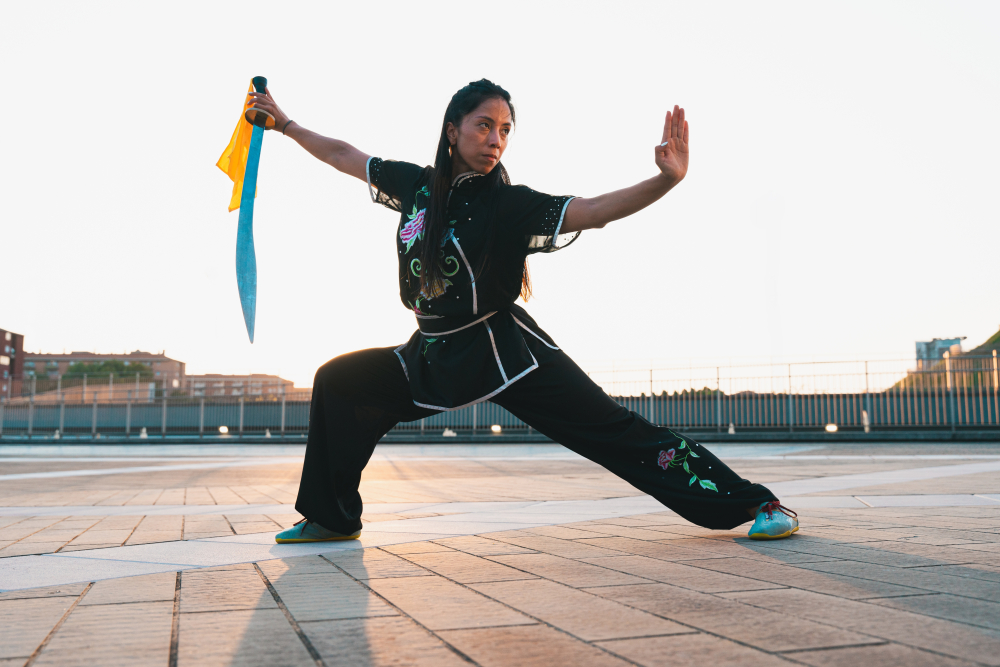
Woman practicing wushu – Photo Credit: oneinchpunch
From Global Favourites to Asian Traditions
One of the best things about the Asian Games is just how much there is to see; you’re not just attending one event, you’re stepping into a whole world of sport. With over 50 different sports on the program, the Games bring together everything from global favorites like athletics, swimming, basketball, and tennis to uniquely Asian disciplines such as Wushu (globally known as kung fu), a Chinese martial art that blends athletic skill with graceful, almost dance-like movements; Kurash, a traditional Uzbek form of upright wrestling focused on throws and balance; Kabaddi, a high-energy team sport from India where players must tag opponents and return on a single breath; and Sepak takraw, popular in countries like Thailand and Malaysia, where players use their feet, head, and chest to volley the ball in acrobatic style. It’s this mix that makes the experience so special. You can watch world-class competition in a sport you already love, then wander into something completely new and unexpectedly become a fan.

Teenagers playing Sepak takraw – Photo Credit: Lano Lan
What also makes this edition feel fresh and exciting is how the Games continue to evolve with the times. Alongside traditional events, you’ll find more modern and youth-focused competitions, with esports returning as a major highlight, attracting huge crowds and a new generation of fans. It’s a reflection of what the Asian Games do so well: blending heritage with innovation, and creating a program that feels both rooted in culture and forward-looking at the same time. The result? A schedule that’s constantly buzzing. You might start off watching a high-stakes swimming final, move on to discovering a sport you’ve never seen before, and then find yourself caugh up in the energy of a packed arena. It’s not just about what you plan to see, it’s about everything you didn’t expect to enjoy along the way.
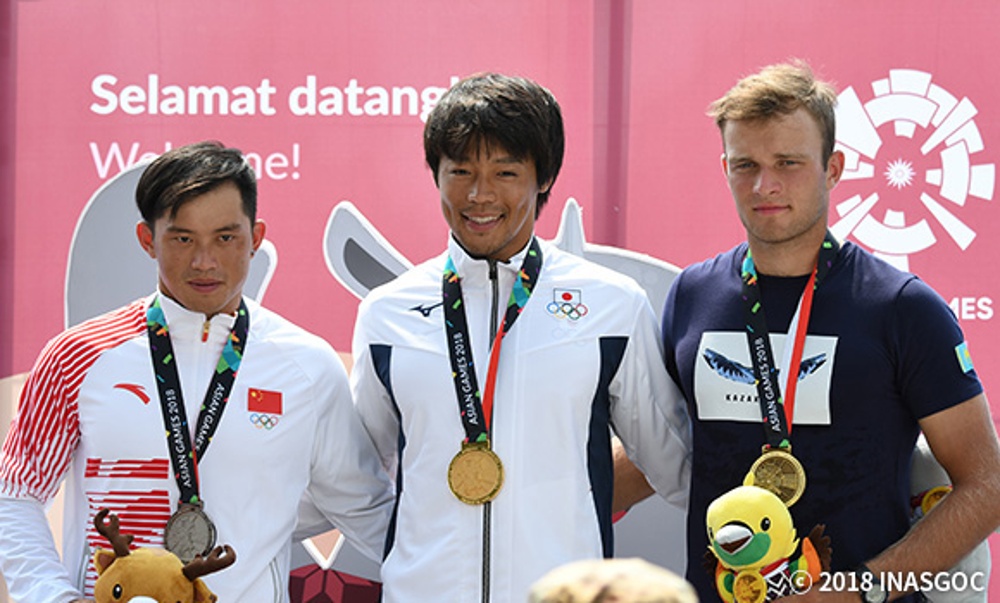
Haneda (Japan), Chen (China), and Kulikov (Kazakhstan) pose after Japan’s gold in canoe slalom at the 2018 Asian Games – Photo Credit: 20th Asian Games
What To Do During the Games
Being in Nagoya during the Asian Games 2026 isn’t just about watching sports; it’s about feeling the city come alive. Start with the obvious (and honestly, unmissable): grab tickets to a live event. There’s something addictive about the atmosphere, the roar of the crowd, the flags waving, that collective “did you just see that?!” moment when something incredible happens. Even if you’re not a hardcore sports fan, it’s the kind of energy that pulls you in instantly.
But here’s the fun part: the excitement doesn’t stay inside the stadiums. During the Games, Nagoya basically turns into one big, open-air celebration. Think fan zones, street performances, cultural showcases, and pop-up events sprinkled across the city. You might find yourself watching a live screening with locals one minute, then tasting something new from a street food stall the next. It’s vibrant, it’s social, and it’s the perfect way to experience not just Japan, but a mix of cultures from all across Asia in one place.
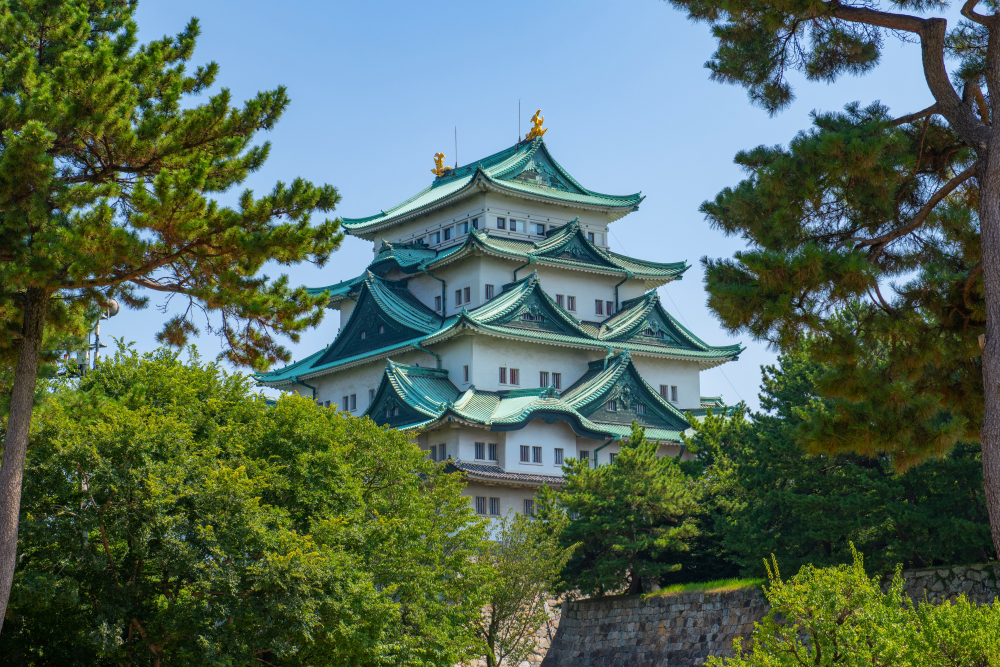
Nagoya Castle – Photo Credit: Wangkun Jia
When you need a breather from the crowds (or just want to switch things up), Nagoya has plenty to offer beyond the Games. The city is super easy to get around, so you can bounce from a morning match to an afternoon of exploring without any stress. Wander through historic spots like Nagoya Castle, or step into the peaceful grounds of Atsuta Shrine, one of Japan’s most important Shinto shrines. Get a little lost in the buzzing Osu Shopping Street, or head up to Nagoya TV Tower for a different view of the city skyline. If you’re in the mood for something more modern, explore the impressive Toyota Commemorative Museum of Industry and Technology, or relax at Hisaya Odori Park, a green urban space perfect for a slower moment between events. Or simply follow your nose to wherever the best food is (trust me, you won’t go wrong). It’s that kind of city: easy, welcoming, and full of little surprises.
And after a full day of cheering, exploring, and probably eating more than planned, having the right place to come back to makes all the difference. Nikko Style Nagoya (click here to know more) is one of those stays that just gets it. It’s stylish without trying too hard, with a cool music-inspired vibe that makes it feel more like a creative hangout than just a hotel. You can ease into your morning with a great coffee, head out for a packed day of Games and city adventures, then come back and unwind in a space that feels calm, modern, and just truly special. Plus, its central location means less time figuring out transport and more time enjoying everything.
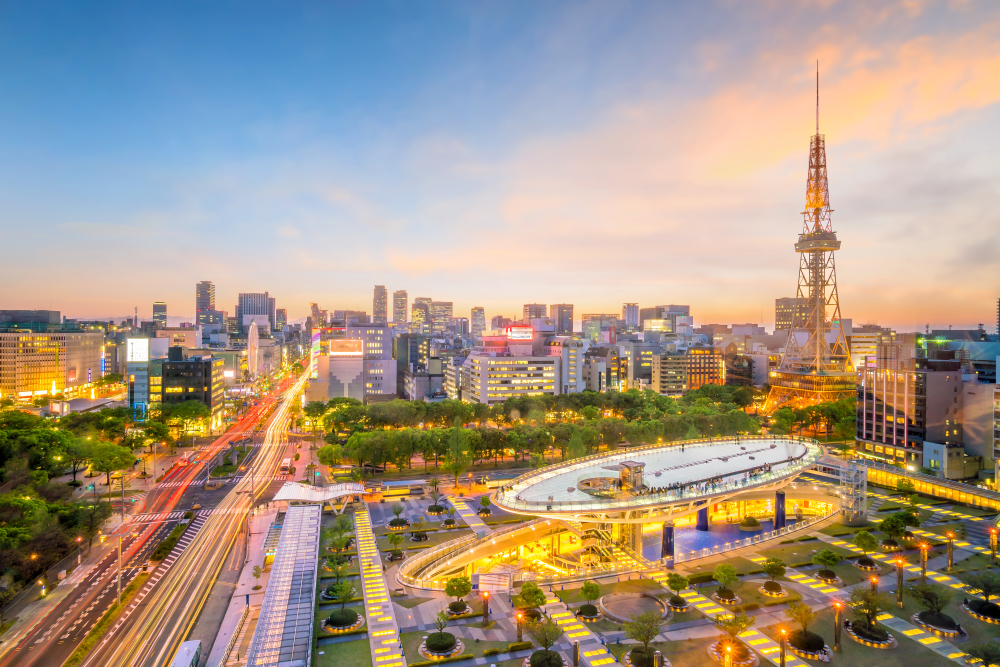
Downtown Nagoya skyline at twilight – Photo Credit: f11photo
Visiting Nagoya is already a once-in-a-lifetime experience, but add on a unique and truly special sporting event like this, and you’re sure to find yourself in a world like that out of a dream. With the Asian Games 2026 bringing energy, culture, and unforgettable moments, the city is ready to shine. The best way to do Nagoya during the games? Don’t overplan it. Pick a few must-see events, leave space to wander, and say yes to whatever catches your attention. Because sometimes the best moments aren’t the ones on your schedule, they’re the ones you didn’t see coming.
Featured Photo Credit: LightField Studios
Looking for the perfect experience to round out your journey in Nagoya and Japan? Reach out to our travel specialists to craft a tailored itinerary for your perfect Japan Journey.
PIN THIS FOR LATER

Book your pocket wifi now to stay connected through your entire Japan Journey!

Be sure to get the JR Pass to make navigating Japan during your trip that much easier!
YOU MIGHT ALSO LIKE