Biking in Osaka and Kansai: Everything You Need to Know
Apr 15, 2026
BY Stella Masson
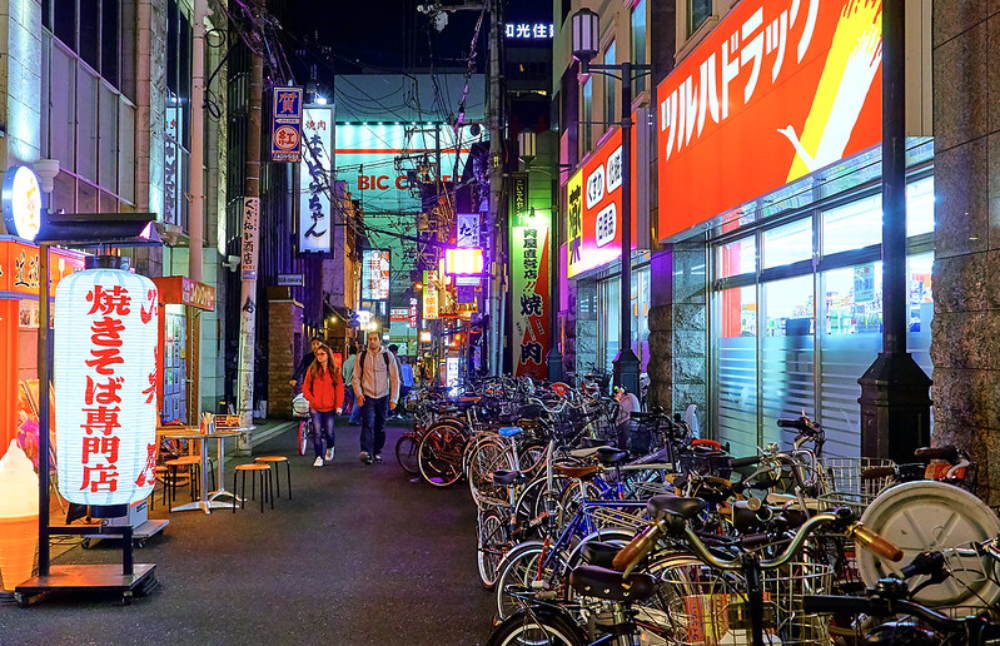
Osaka is the second-largest and most populous Japanese city, located in the heart of the Kansai region. It is a hub of culture and discovery, offering a seamless blend of urban energy and natural beauty, best explored on two wheels all year round.
Kansai, and especially Osaka, has no shortage of treasures when it comes to cycling. Whether you prefer flat, urban paths for a leisurely afternoon or mountainous, challenging routes for longer adventures, you won’t lack options.
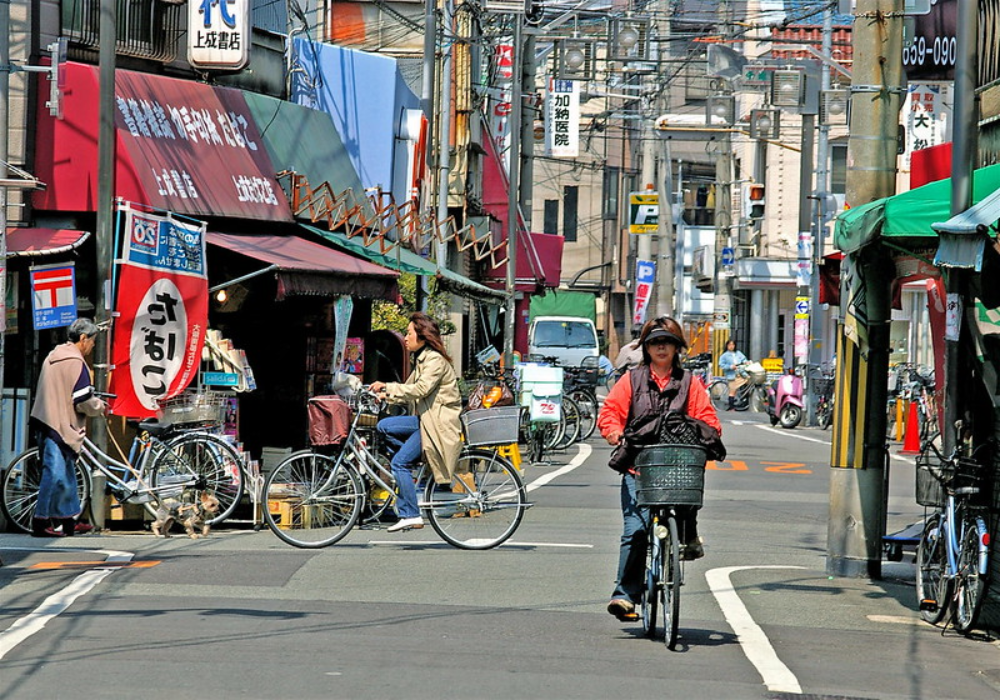
Navigating the city by bicycle is smooth and serves as a common mode of transport for locals and tourists alike. Many green spaces and parks are tucked within the busy districts. You can choose your itinerary freely, starting in popular areas like Osaka Castle and ending in residential hidden gems far from the typical tourist trail.
Osaka Castle Park is one of the most highly recommended locations for cycling, specifically due to its level paths and the impressive views of the castle framed by seasonal colors. Despite its popularity, it rarely feels overcrowded, allowing you to ride with tranquility and ease. There are plenty of cafes and vending machines throughout the grounds for quick breaks.
For the perfect tour, consider approaching the park via Uemachi-suji road, which offers a low-stress ride with minimal traffic. Entering through the Northwest entrance allows you to start your journey on a high note, with immediate views of the forest, gardens, and the castle keep.
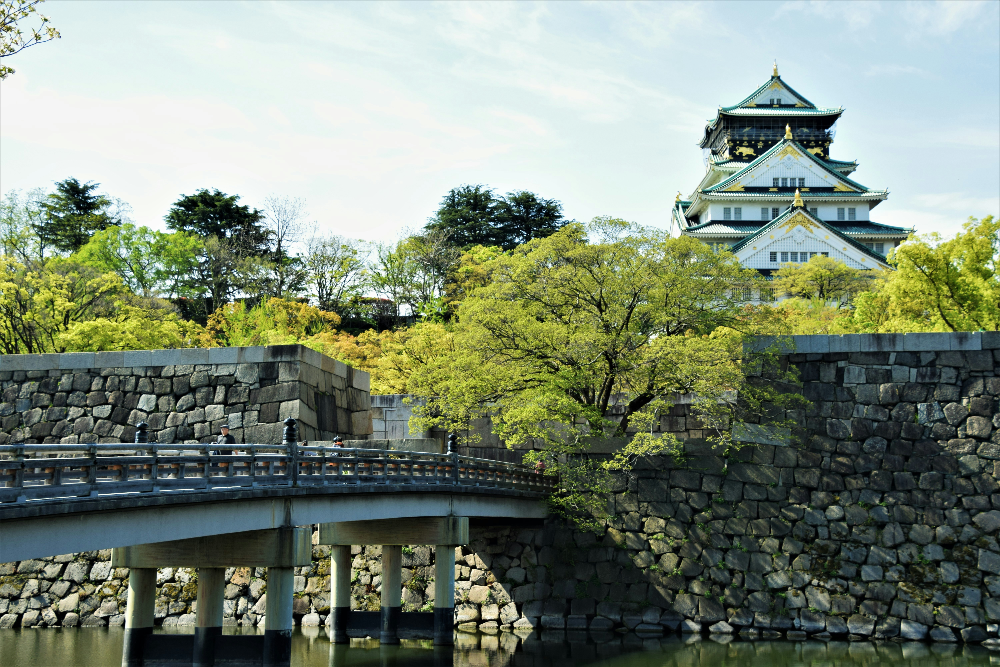
Osaka Castle view – Photo Credit: Jeremy Santana on Unsplash
Other fascinating areas are easily accessible by bike. Visit Tsuruhashi Market to immerse yourself in Korean culture through vibrant food stalls and local shops. Explore Shinsekai, famous for its traditional street food and the iconic Tsutenkaku Tower. Nakanoshima Park is another hidden gem; the harmony between the city and the park’s flora makes for a pleasant ride. It offers beautiful landscapes regardless of the season, along with enough restaurants and shops to ensure you have all the necessary facilities while escaping the urban bustle.
If you’re looking for a curated two-hour tour around the castle, check out russ_ventures on Instagram. This guide organizes small group biking tours throughout Kansai. You can also opt for a longer excursion along Midosuji Street or dive into pop culture in Amemura. Exploring with a guide ensures an authentic, high-quality look at Osaka’s many unique areas.
Explore the area safely on a bike
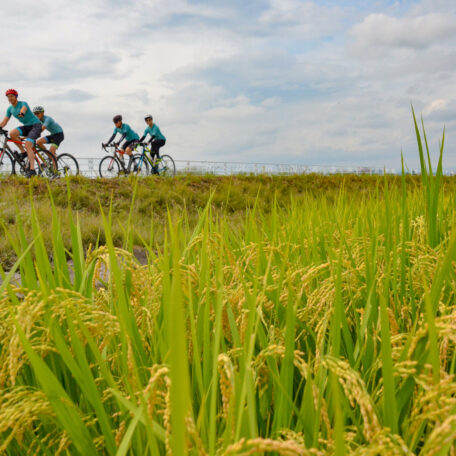
To ensure a perfect ride, preparation is key. Weather conditions change significantly with the seasons. While many argue that Autumn and Spring are the best times to ride, thanks to the fiery red maples and blooming cherry blossoms, temperatures can still fluctuate. Bringing adequate layers should be at the top of your checklist. Also, keep in mind that the rainy season begins in mid-June; if you prefer to stay dry, avoid planning your trip during this window.
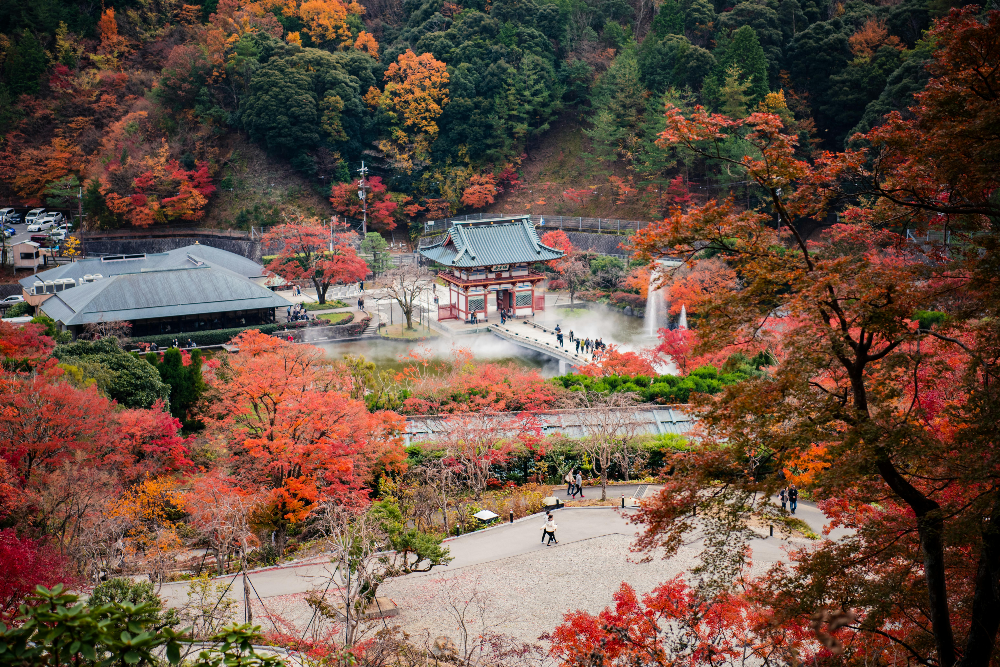
Minoh landscapes in Autumn – Photo Credit: Satoshi Hirayama on Pexels
The Japanese summer is famously humid and hot. From July through early September, temperatures can soar. If you don’t mind the heat, summer riding is enjoyable, but you must bring the right gear to shield yourself from intense UV rays and prevent heatstroke. Winter cycling is equally exciting but requires careful planning, not just for the drop in temperature, but for potential snow in the mountainous areas around Kansai. During this time, check your route carefully to avoid slippery roads. After a cold ride, there’s nothing better than warming up in a local hot spring (onsen).
To stay safe year-round, always respect the traffic rules: follow signs, park only in designated areas, slow down at safety barriers, and use your front light after dark. Most importantly, ride at a pace that feels comfortable for you.
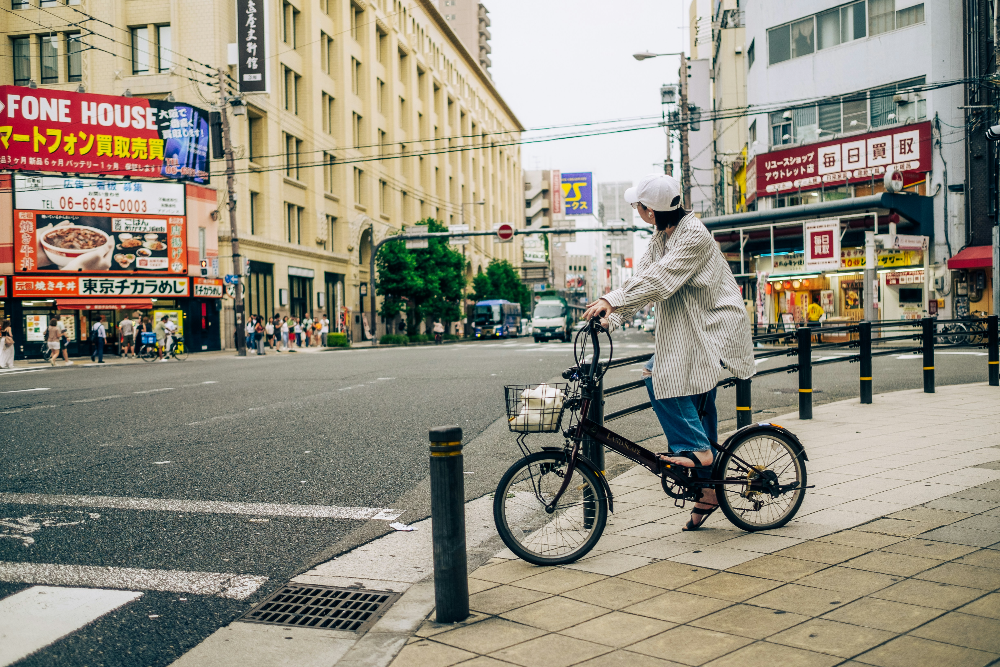
Women on a bike in Osaka – Photo Credit: Rap Dela Rea on Unsplash
Where to rent a bicycle?
Once you know where to go, you need a bike! Osaka and Kansai have many local rental shops like Road Bike Rental Japan, Uemachi Rental Bicycle, and Giant Store Nanki Shirahama. Prices vary depending on the shop and the type of bicycle you choose.
If you have a Japanese phone number, consider using a bike-sharing system. Options like Docomo Bikeshare, Hello Cycling, LUUP, and HUBchari are incredibly convenient. You can unlock a bike via an app and drop it off at a different station later. Some apps even provide integrated maps to help you navigate.
An unmissable museum for bike lovers
Osaka is home to the only bicycle museum in Japan. Featuring hundreds of exhibited bikes across several floors, the museum covers everything from cycling history to technological evolution. With videos, a comprehensive collection of multilingual books, and rare archives, it is a must-visit for any enthusiast. Located in Sakai, known as “Bicycle Town,” the Shimano Bicycle Museum is a standout attraction.
The museum tracks the global history of the bicycle, from the very first models created in 1817 to cutting-edge modern designs and those used by important figures. It also features a dedicated area explaining the health and environmental benefits of cycling and how bikes are shaping a sustainable future for transportation.
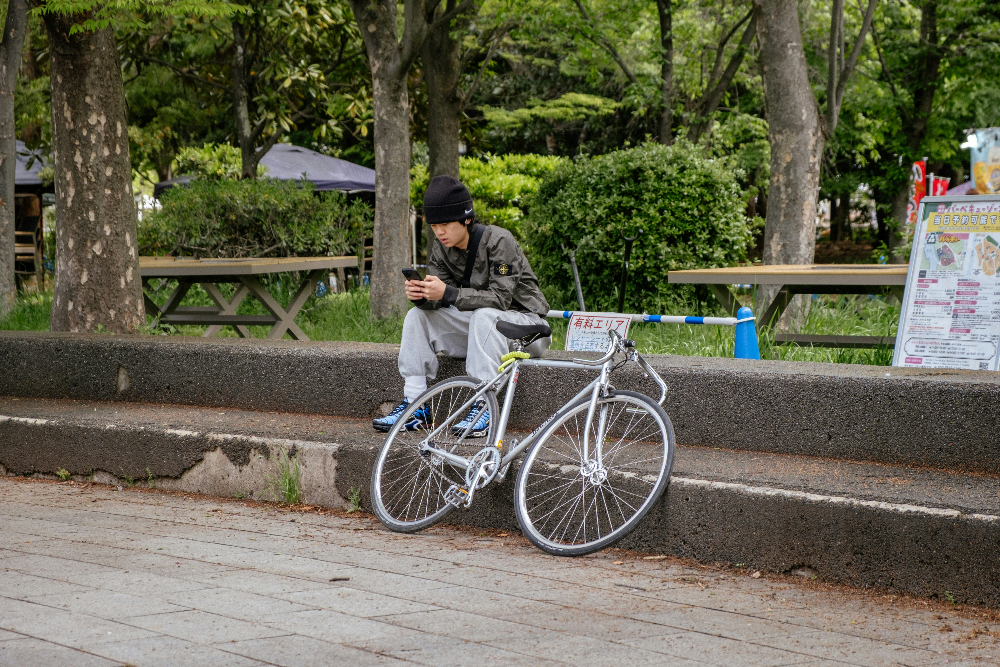
A man next to his bike in Osaka – Photo Credit: Johan Mouchet on Unsplash
For a more “hands-on” experience, head to the Bicycle Museum Cycle Center in Daisen Park, the original home of the Bicycle Museum (1992-2022). On certain days, you can ride replicas of classic 19th-century bicycles. You can also visit Shimano Square in Umeda to enjoy a coffee in a bicycle-themed cafe, which occasionally hosts workshops, events, and VR cycling simulators.
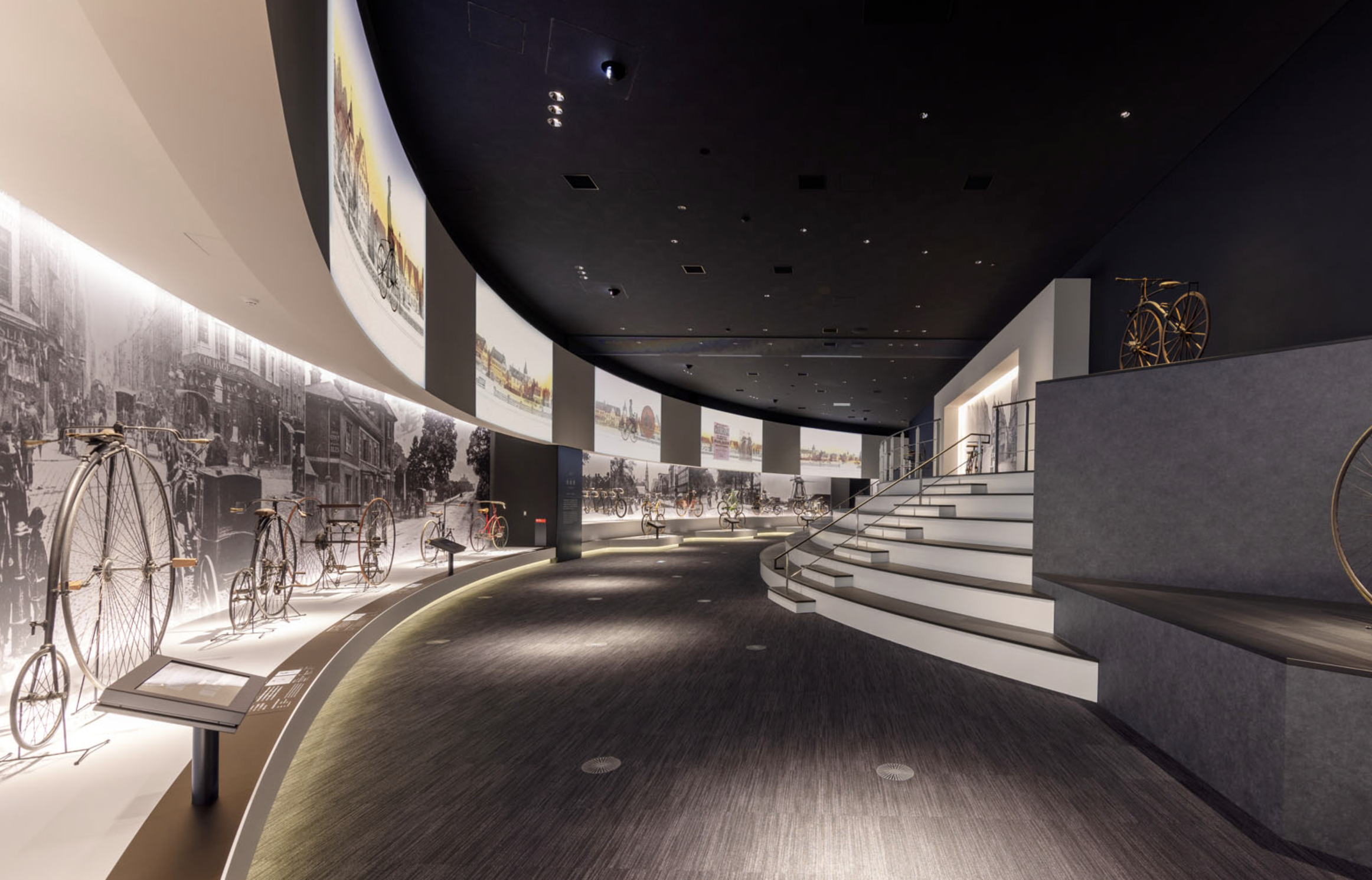
Shimano Bicycle Museum display – Photo Credit: Shimano Bicycle Museum
The museum is designed to be accessible for all generations, from curious novices to experts. English translations are provided throughout. They even organize bicycle tours around Sakai for a truly immersive experience.
Opening hours: 10:00 – 16:30 (Tuesday – Sunday)
Location: 2 Chome-2-1 Minamikoyocho, Sakai Ward, Sakai, Osaka 590-0073
Website: https://www.bikemuse.jp/en/
Entrance fee: Free – ¥500
To fully immerse in cycling culture, why not head to the museum directly by bike? Ride on a 52km-long route (around 4 hours) from Shin-Osaka to Sakai and have a nice rest, visiting the museum. Bicycle tours around Sakai are also organized by the museum; join one to have an interactive experience around the Bicycle Town!
Beyond Osaka
From Osaka, numerous routes lead to neighboring cities and prefectures in the Kansai area, offering a chance to visit new places and dive into the region’s rich natural landscapes.
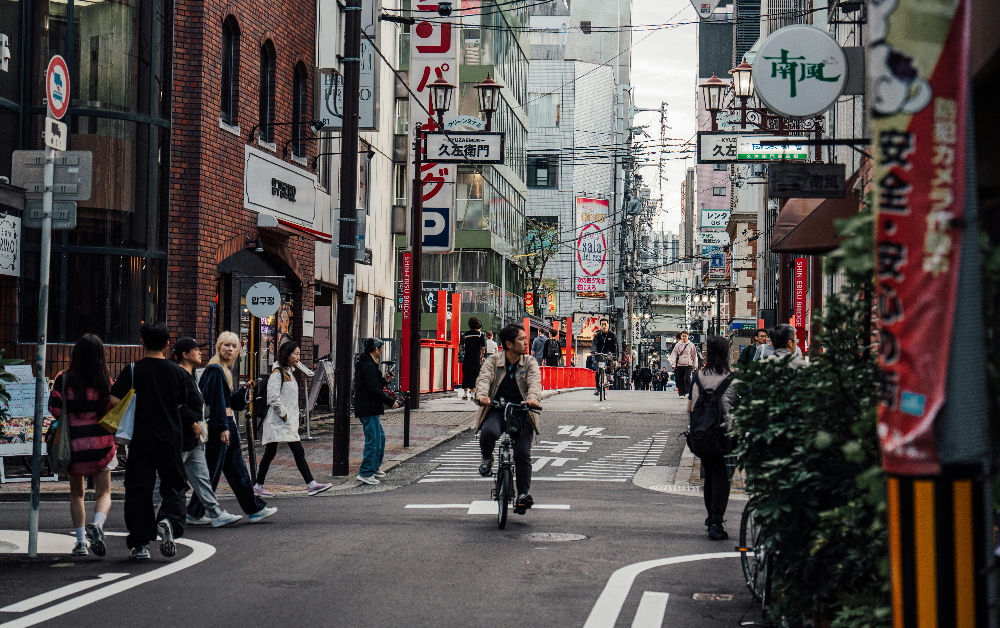
For those seeking more “epic” adventures, the popular Yodo River offers long, flat stretches with easy indicators. The 59km Yodo and Kanzaki river loop is a great starting point. Just be mindful of the safety barriers on the path and take time to rest at the Yodo River Mikawa Goryu meeting point, a popular hub for local riders.
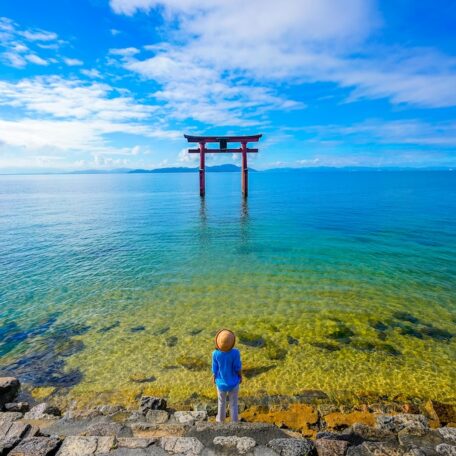
Lake Biwa is perhaps the most famous destination for Kansai cyclists. A local favorite is the Yodogawa Cycling Road, which runs from central Osaka toward Kyoto. Along the way, you can visit the Arashiyama Bamboo Grove and various temples before joining the Kamogawa Cycling Path to reach Lake Biwa in Shiga. This route is safe, flat, and can be completed in one day by fast riders or split into a leisurely two-day trip.
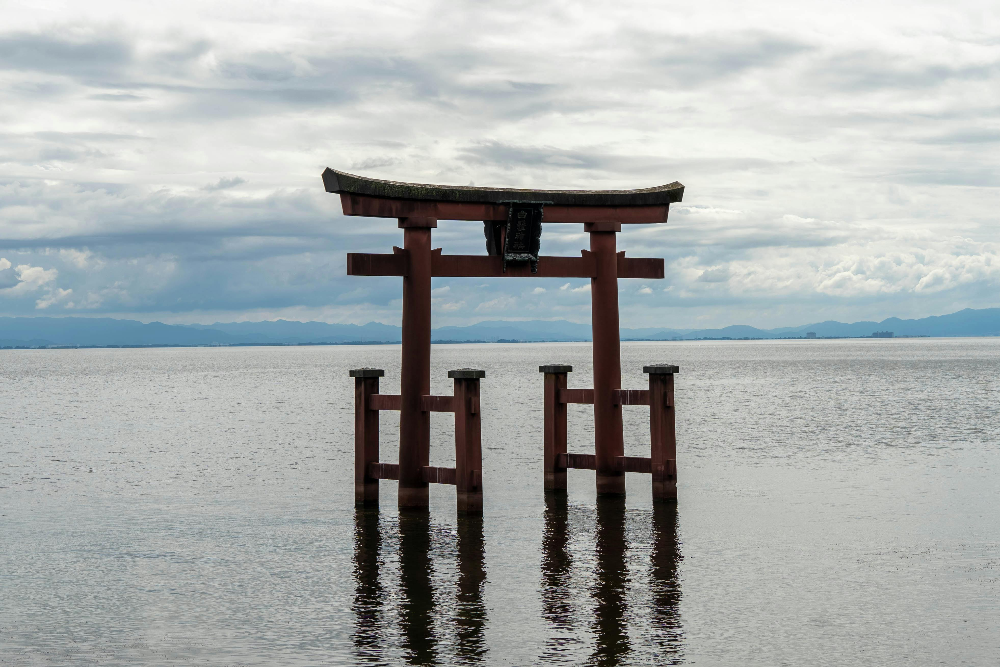
Torii in Lake Biwa – Photo Credit: Mateusz Walendzik on Pexels
Another enjoyable place to ride is Minoh National Park, which offers a beautiful balance of mountainous terrain and urban access. Routes are customizable, ranging from 58km to 100km. You can ride along the Ōgawa River, visit Katsuoji Temple, and explore Hattori Ryokuchi Park. Take a break from cycling on Road 43 to hike and check out the beautiful night views. After your cycling effort, stop by Emma Coffee, a favorite haunt for cyclists, to enjoy a refreshing latte.
Other adventurous routes include “The Dark Passage,” a challenging route towards Nara or the Namba Cycling Road leading all the way into Hyogo Prefecture, following the Kanzaki River.
Osaka is a dream city for cyclists. Whether you live on your bike or just enjoy the occasional ride, experiencing the city on two wheels is the best way to immerse yourself in the local culture. It’s fun, healthy, and sustainable. Grab a bike, pick your path, and start pedaling to a better future!
Featured Photo Credit: Pedro Szekely
Want to craft an Osaka adventure including these amazing cycling locations and more? Let our Tailored Travel team create an itinerary tailored just to your interests and needs!
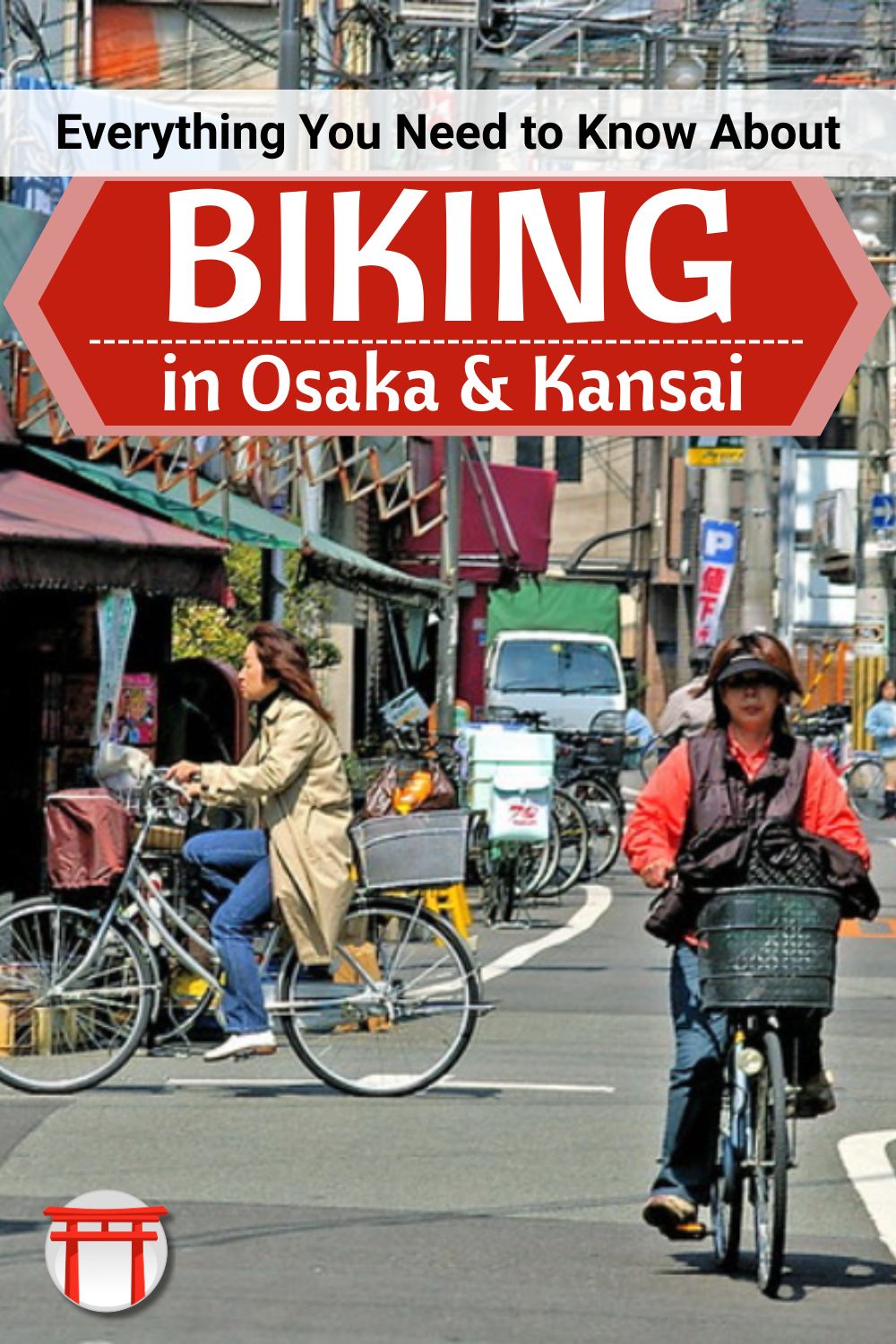
PIN THIS FOR LATER
Book your pocket wifi now to stay connected through your entire Japan Journey!

Be sure to get the JR Pass to make navigating Japan during your trip that much easier!
YOU MIGHT ALSO LIKE