The Fascinating Culture of Japanese School Lunches
Mar 9, 2026
BY Natalie Burnes
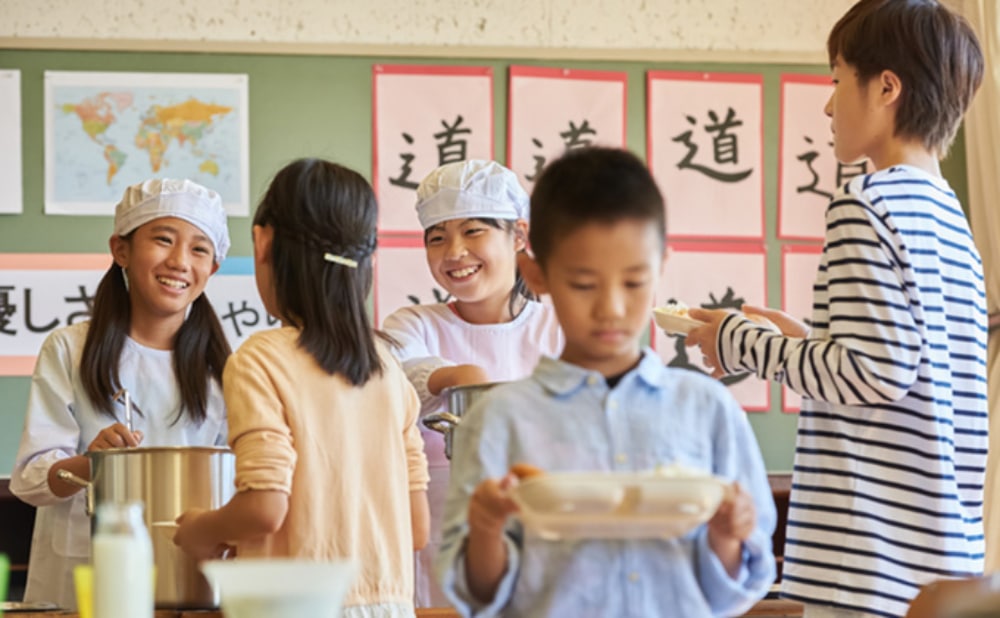
In Japan, lunchtime is more than just a break between lessons; it is a vital part of the educational experience. This custom, known as kyushoku, is a widespread practice in elementary and junior high schools where students eat together in their classrooms. While high schoolers typically transition to bringing their own meals, younger students benefit from highly nutritious, well-prepared menus designed to fuel their development.
Below, we’ll take a closer look at what defines a typical school meal and the unique cultural traditions that make Japanese lunch periods so special.
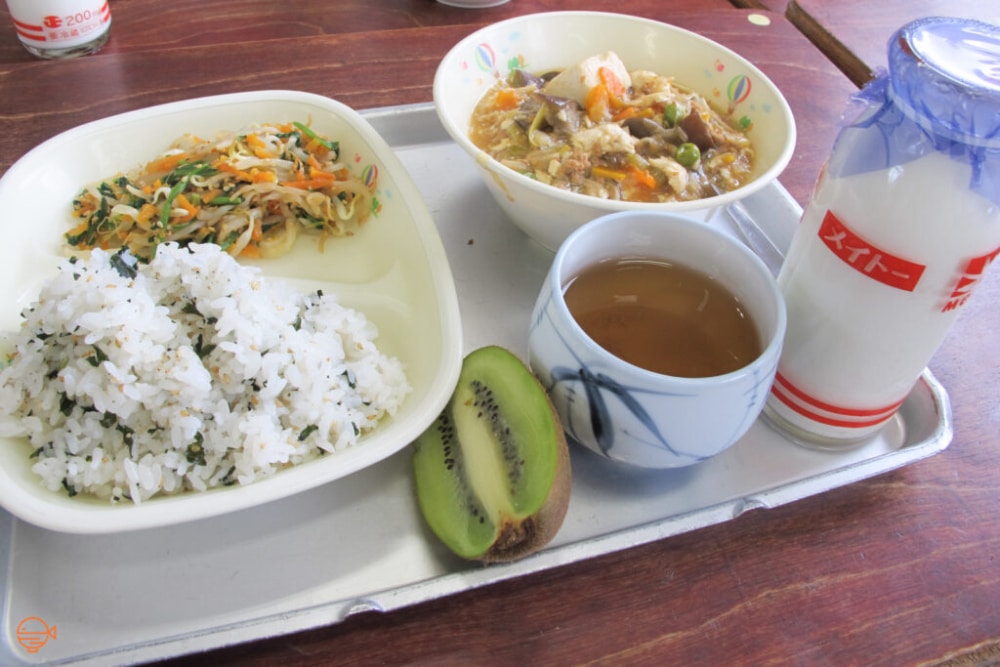
Japanese school lunch – Photo Credit: japanesefoodguide
What defines a Japanese school lunch?
Kyushoku menus are designed around variety and nutritional balance. A typical tray usually consists of a protein-heavy main dish, a carton of milk, and several different sides.
Popular main courses include Japanese curry, various noodle dishes, or grilled fish. The goal is a harmonious meal; for example, if the main dish is noodle-based, it might be accompanied by pumpkin tempura, a side of rice, or a light pasta salad to ensure a well-rounded intake of vitamins and minerals.
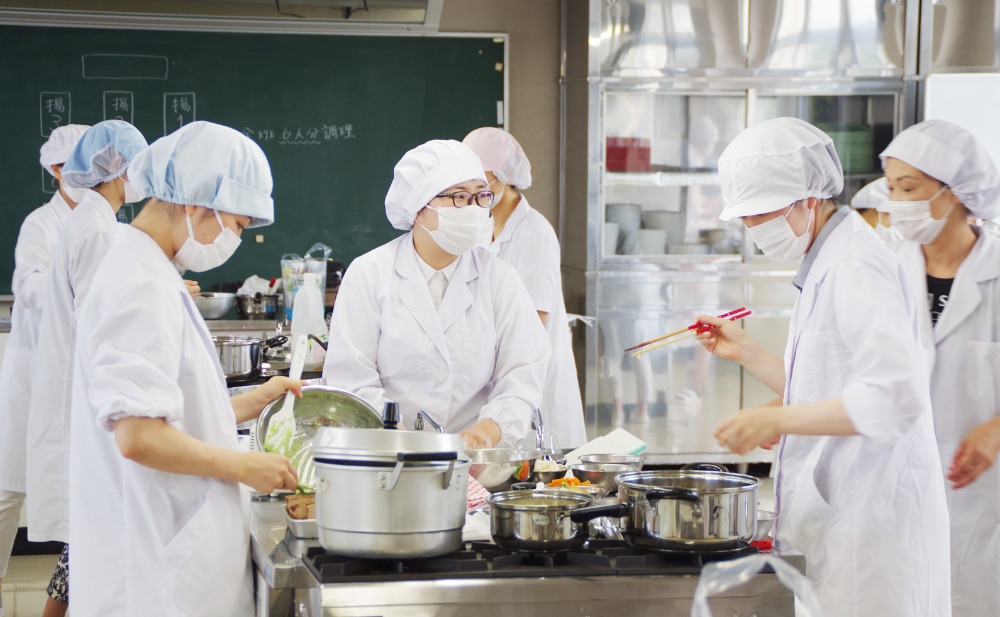
Inside a Japanese cafeteria – Photo Credit: gakkyu
How are they prepared?
One of the most impressive aspects of the system is the emphasis on quality. Rather than relying on processed or frozen items, school meals are guided by professional nutritionists who develop specific recipes for the students.
These meals are then prepared by hand by dedicated cooks working right on the school premises. This ensures that every child receives a high-quality, balanced meal made by people who prioritize student health over convenience.
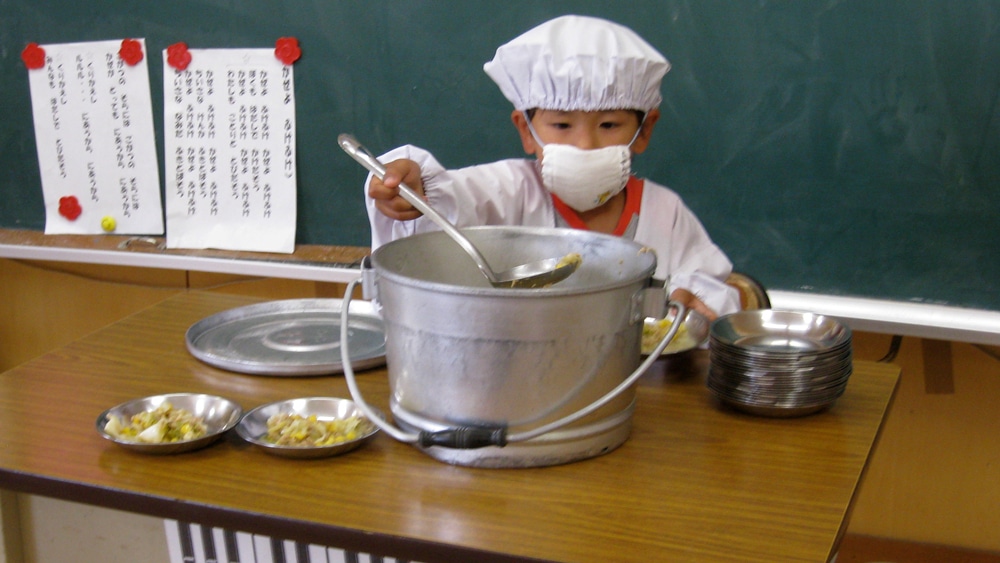
A young student serving food during lunch – Photo Credit: savvytokyo
Culture seen during lunchtime
Something unique about Japan’s school lunch period is that children are assigned specific jobs during this time. Instead of hiring staff to distribute food or clean the room, the students themselves serve their classmates. This occurs entirely inside the classroom, with staff delivering the food to each room rather than having hundreds of students gather in a cafeteria. By serving the food themselves, children learn responsibility by assisting their teachers, cooperation by helping their peers, and a deeper appreciation for the meal they are about to eat.
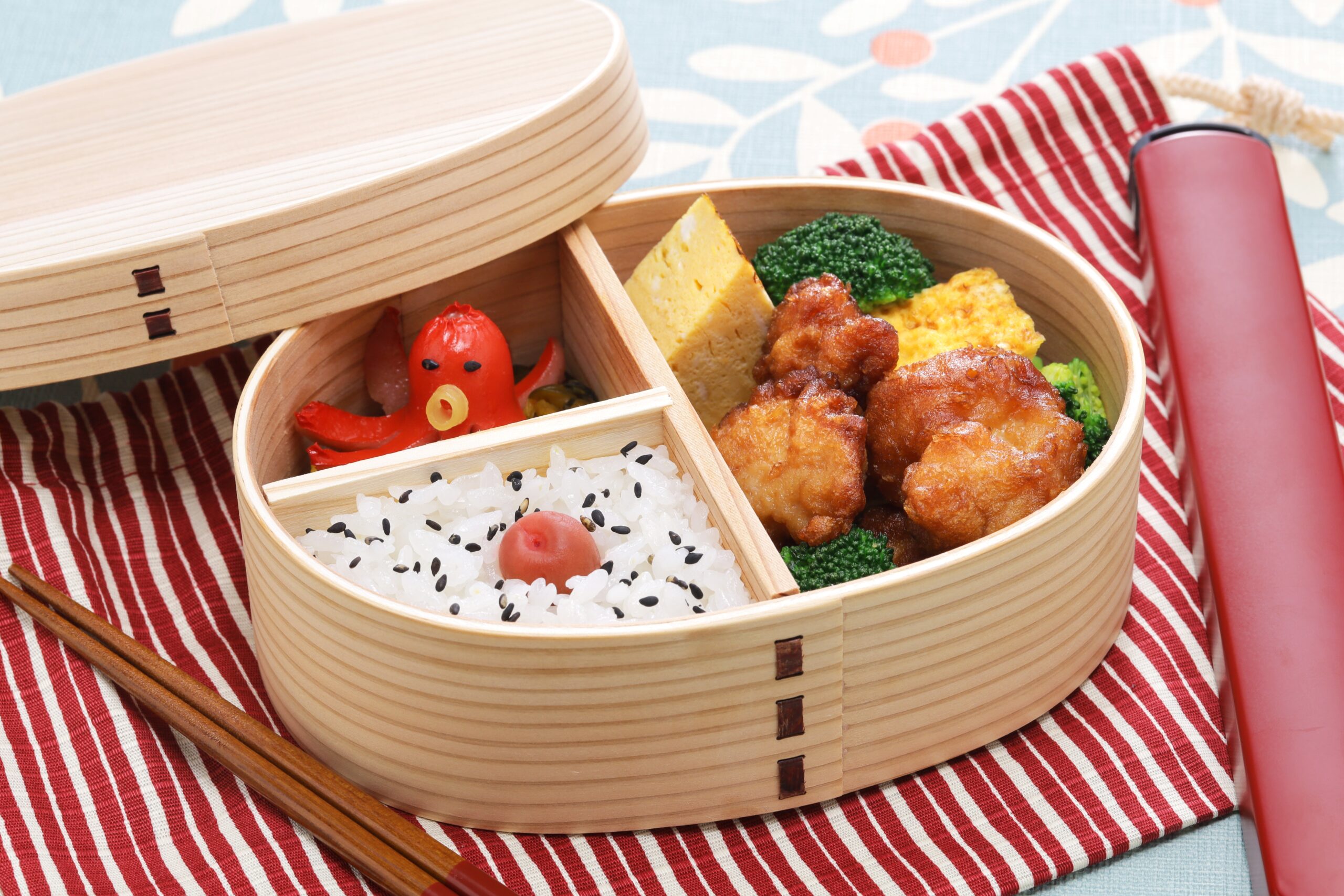
Japanese homemade packed lunch in a wooden bento box – Photo Credit: bonchan
Bento boxes
While enjoying a handmade meal of locally sourced ingredients is a highlight of early education, this practice typically ends after junior high school. Once students enter high school, they begin bringing their own lunch boxes, or bento. These are small, layered containers that can fit a surprising amount of nutrient-dense food. Common fillings include a main protein, rice, vegetables, and fruit. A frequent sight is a single pickled plum placed on white rice to symbolize the Japanese flag.
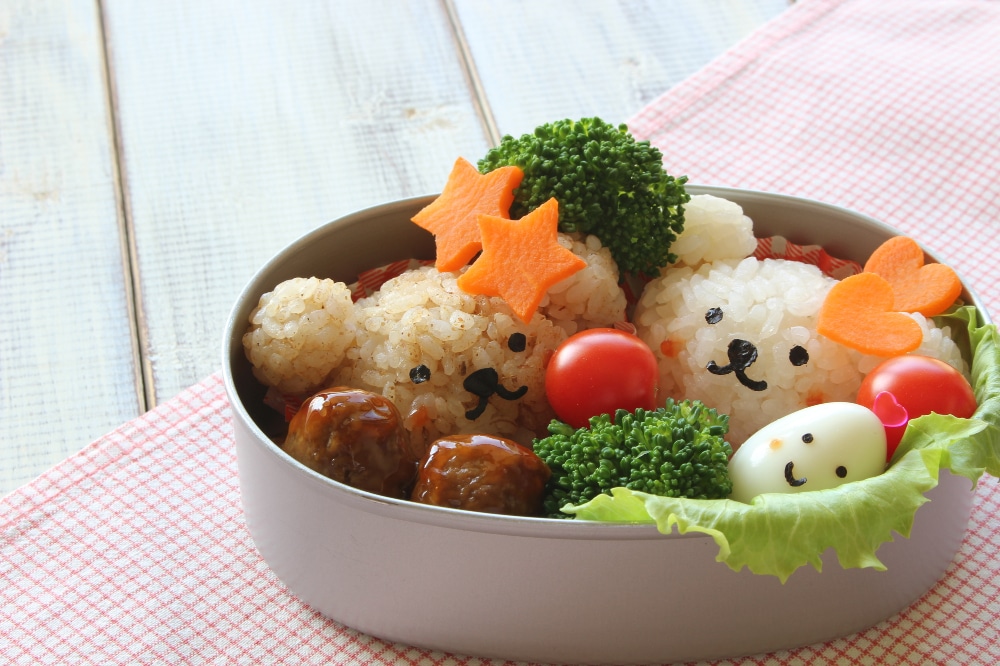
A bear character bento box – Photo Credit: voyapon
Character bento
Alongside regular bento, there is a popular trend of mothers getting creative with “character bento.” These are meals styled to look like characters from a child’s favorite series. Because these artistic lunches require a careful hand and significant time to prepare, they represent a parent’s love and support. Many students deeply appreciate and value these heartfelt meals.
Common designs include characters from Ghibli movies like Totoro, animals such as pandas, or even icons from the Pokémon and Sanrio franchises. The possibilities are endless, making every lunch a fun surprise for the student.
Lunch time!
From elementary school through graduation, lunchtime remains a cornerstone of the Japanese school day. Whether it is through the teamwork required to serve kyushoku or the personal care found in a handmade bento, Japan uses this time to teach health, responsibility, and gratitude. By making nutrition a priority, the school system ensures that students develop healthy habits that last a lifetime.
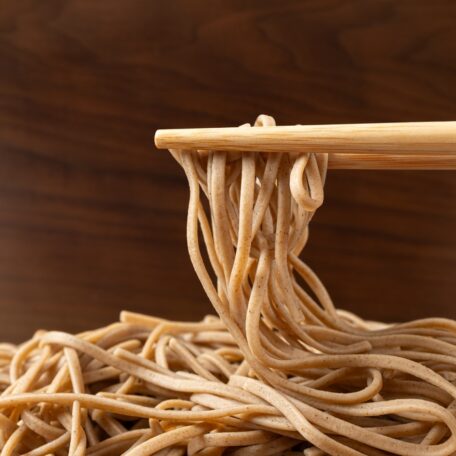
Featured Photo Credit: restaurant-guide
If you’re visiting one of Japan’s three major cities, book one of our authentic Japanese cuisine food tours in Tokyo, Kyoto, or Osaka to experience the country like a local!
PIN THIS FOR LATER
Book your pocket wifi now to stay connected through your entire Japan Journey!

Be sure to get the JR Pass to make navigating Japan during your trip that much easier!
YOU MIGHT ALSO LIKE