The Top 5 Do’s and Don’t’s of Dining in Japan
Feb 27, 2026
BY Kady Potter
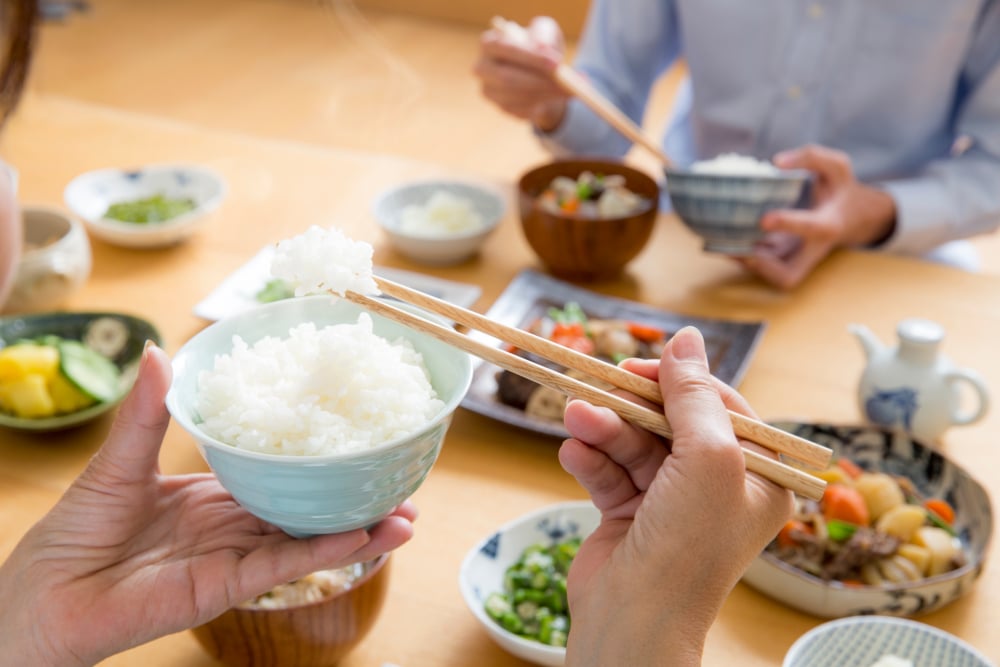
To fully enjoy Japanese food, it’s important to have an appetite – and that includes the appetite to learn more about Japan’s dining etiquette. These top tasters, like the 10 commandments of Japanese cuisine, should get you started. (As should saying “itadakimasu” before you eat.)
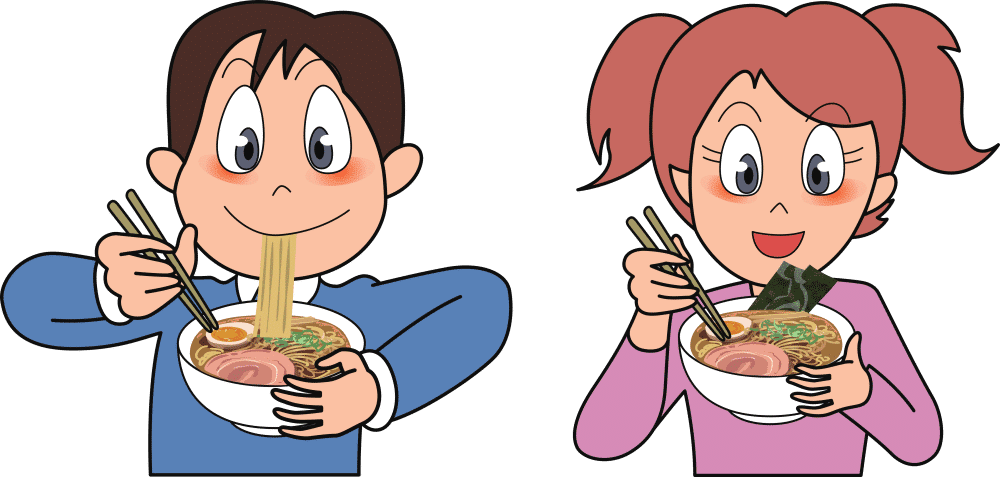
Cartoon Boy and Girl showing how to slurp your ramen – Credit: minoru suzuki
DO slurp your noodles!
Slurping is a good thing! With noodles, it’s rude not to – that noise is a compliment to the chef.
A good slurp quickly brings cooling air into your mouth to bring those freshly-prepared noodles down to an edible temperature. After all, you can’t fully appreciate the taste of ramen, soba or udon with a burnt tongue.
It sounds weird at first… but spend long enough in a ramen shop and you’ll get used to it.
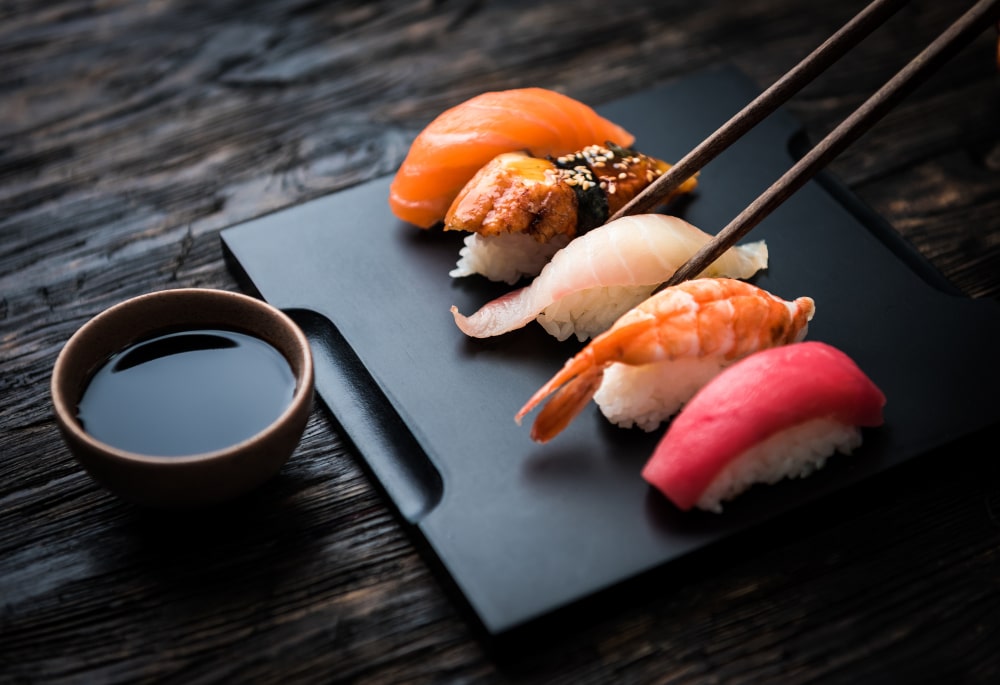
Sashimi set with chopsticks and soy sauce – Credit: In Green
DON’T dip sushi rice in soy sauce
Sushi’s meant to be turned for dipping, so that only the topping or seaweed wrapping touches the sauce. The rice should stay nice and dry.
How come? It’s about taste and texture. Sushi rice comes pre-seasoned and shaped – adding too much sauce will wreck the flavour and break the rice up.
That also leads to the risk of leaving rice behind, which is seen as wasteful. Keeping your sushi intact means every grain makes it to your mouth.
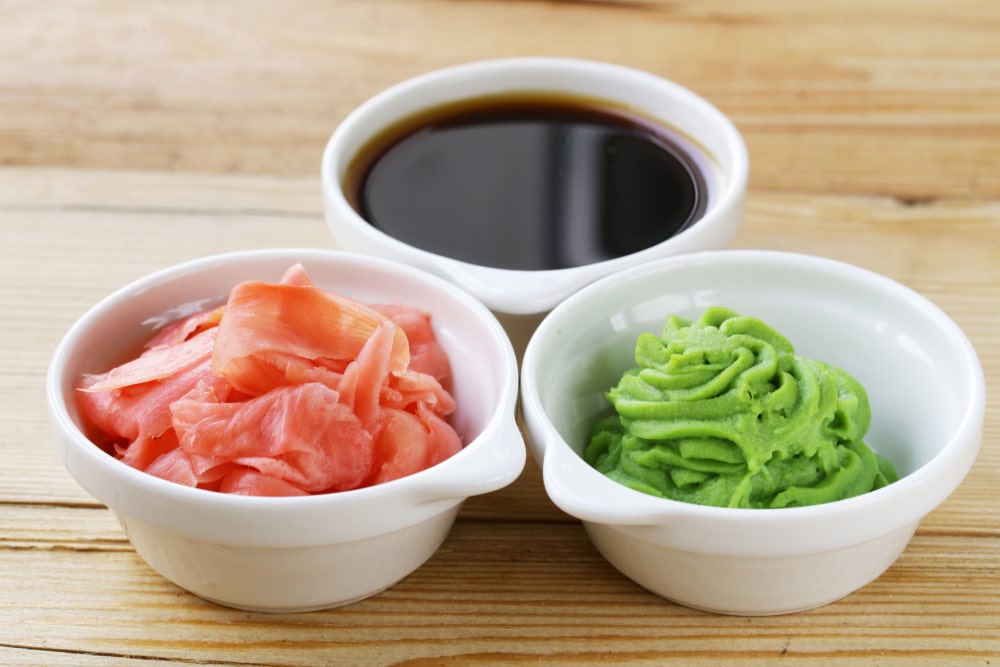
Bowls with soy sauce, ginger, and wasabi, typical Japanese sauces, dips and palate cleansers – Credit: Dream79
DO try out different sauces and dips
You’ll usually see a variety of condiments to go with your meal. Add some, if you’re feeling adventurous – just be careful if you don’t like spicy food, as chilli flakes and oil are sometimes on the table.
Some sauces have variations to suit different dishes. Let’s take “tare” sauce as an example. It’s a basic dip, made with soy sauce, vinegar, dashi (fish stock) and mirin (sweet rice wine). There are subtly different tare flavours to pair with meats, sushi, ramen, and gyoza.
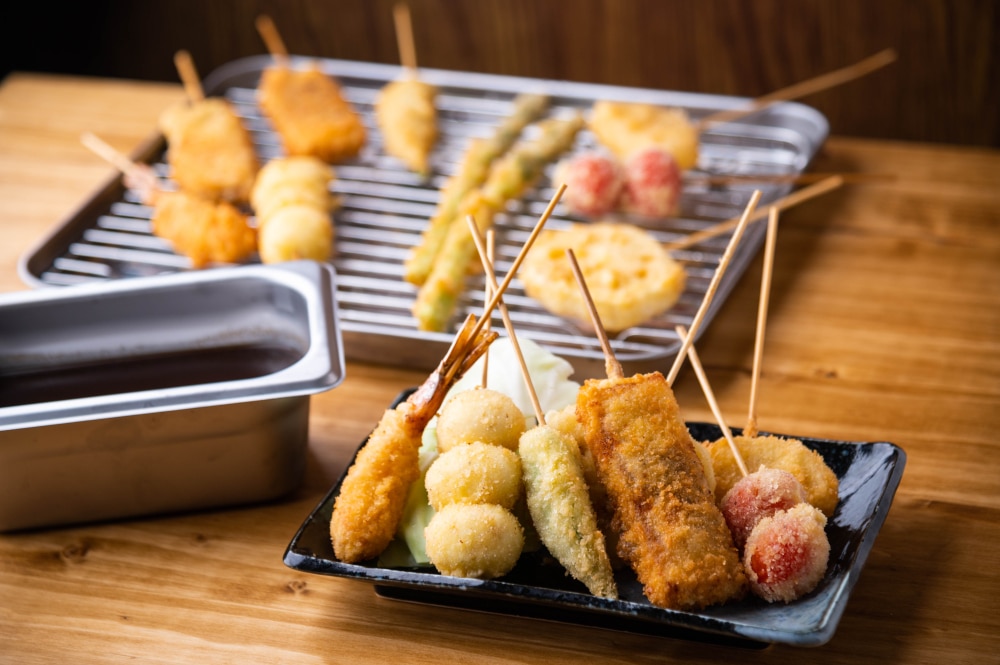
Kushikatsu serving with a shared dipping sauce container – Credit: Atsushi Hirao
DON’T double-dip kushikatsu skewers
Kushikatsu (deep-fried meat and vegetables on sticks) restaurants have a container of dipping sauce on the table. It’s tasty stuff, but make sure you get enough on your first dip!
That sauce is shared between all customers who use that table. Dipping a skewer back in the sauce after you’ve bitten into it is both unhygienic and rude.
This is such a BIG rule that it often gets translated into English along with the menu.
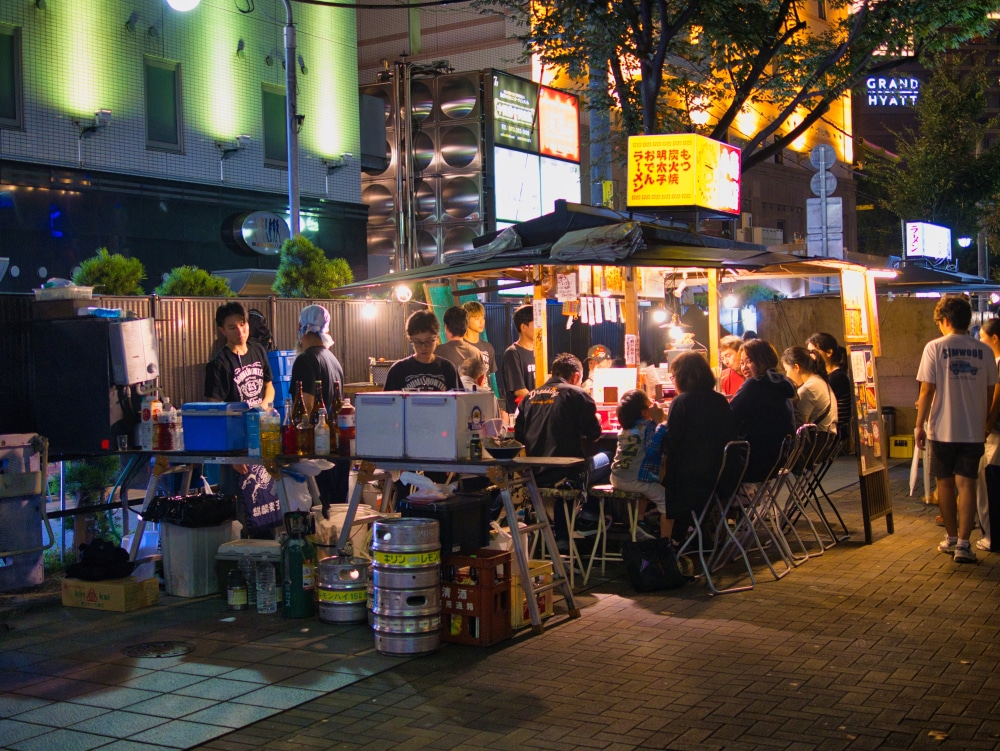
People eating and working at a local yatai – Credit: AlanMorris
DO sample some street food
Restaurants aren’t the only places to dine well. Join the queue for a “yatai” (food stall) instead. They serve typical Japanese “fast food” – quick and delicious.
Great places to find food stalls are summer festivals, markets, paths to shrines and temples, parks, castle grounds, and tiny alleyways around train stations. Plus, why not time your visit to Japan so you can see even more yatai at yearly food festivals? Highlights include Furusato Matsuri in Tokyo and Osaka’s Yatai Fest.
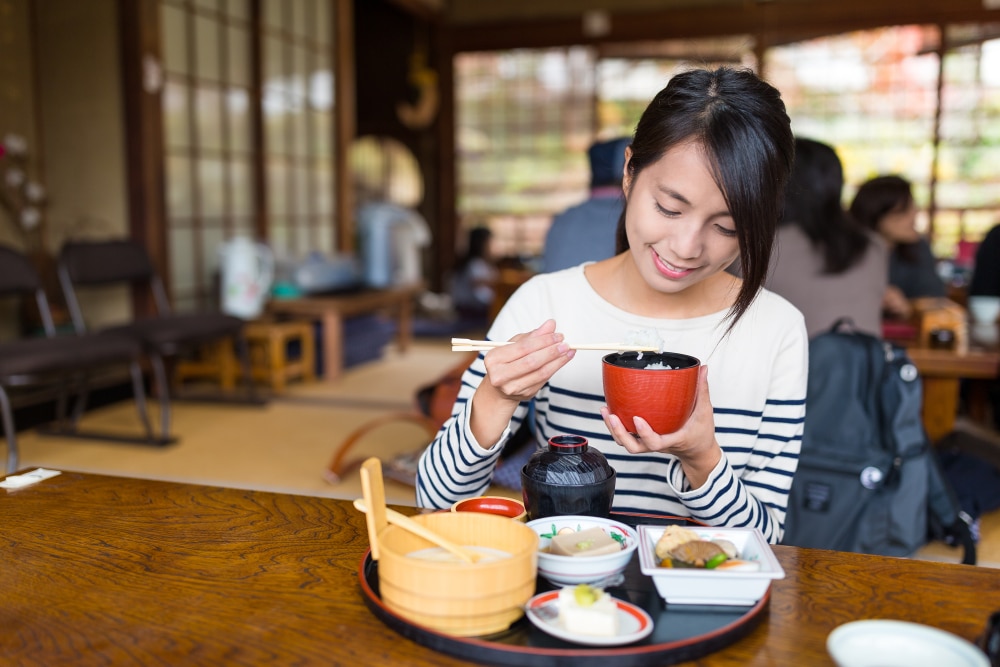
Young lady sitting down at a restaurant to enjoy a typical Japanese meal instead of eating while walking – Credit: leungchopan
DON’T eat on the go
Eating while walking is generally a no-no in Japan. It’s been banned in Kamakura, and you can get fined for it in Kyoto. As for public transportation, it varies: food and drink are okay on the bullet train, for example, but not on buses.
The main issue is littering – or, as the litter-droppers would say, the main issue is a lack of public trash cans. Do the decent thing, and hold onto wrappers, sticks and trays until you can dispose of them properly.
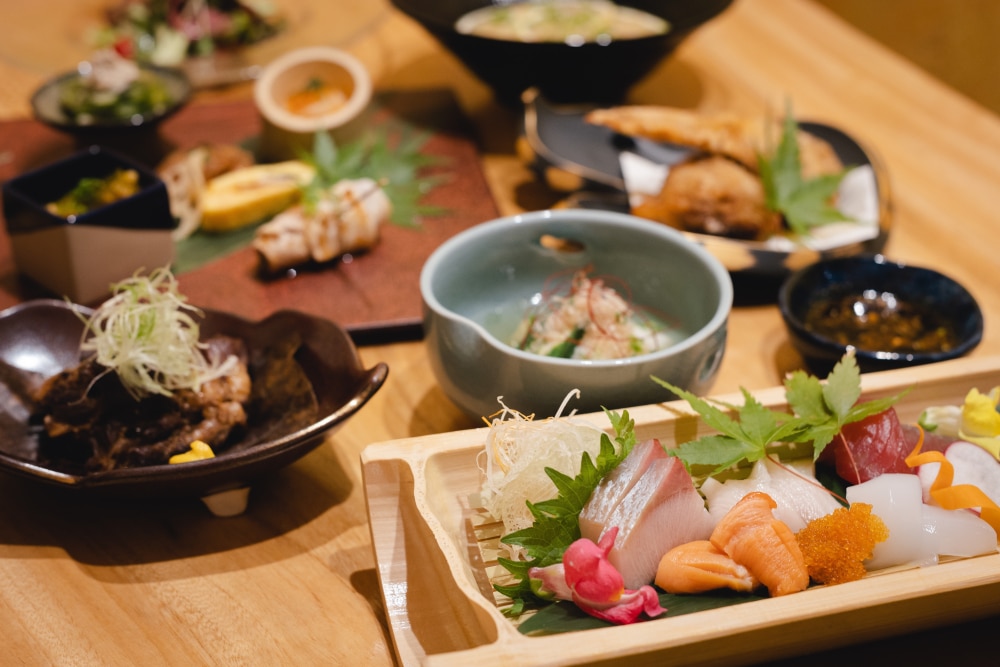
Wide array of dishes to be shared at an Izakaya – Credit: Osero
DO share with your eating buddies
You might find a stack of small plates on the table, or receive them when your food arrives. They’re called “torizara” (取り皿) and are meant for portioning out dishes you’ve ordered.
They’re most often seen at izakaya restaurants, where “1 plate” can be enough food for 3-4 people. Order a variety of dishes and share them (fairly or not, that’s up to you).
You’ll be given enough sharing plates for everyone, and you can always ask for more.
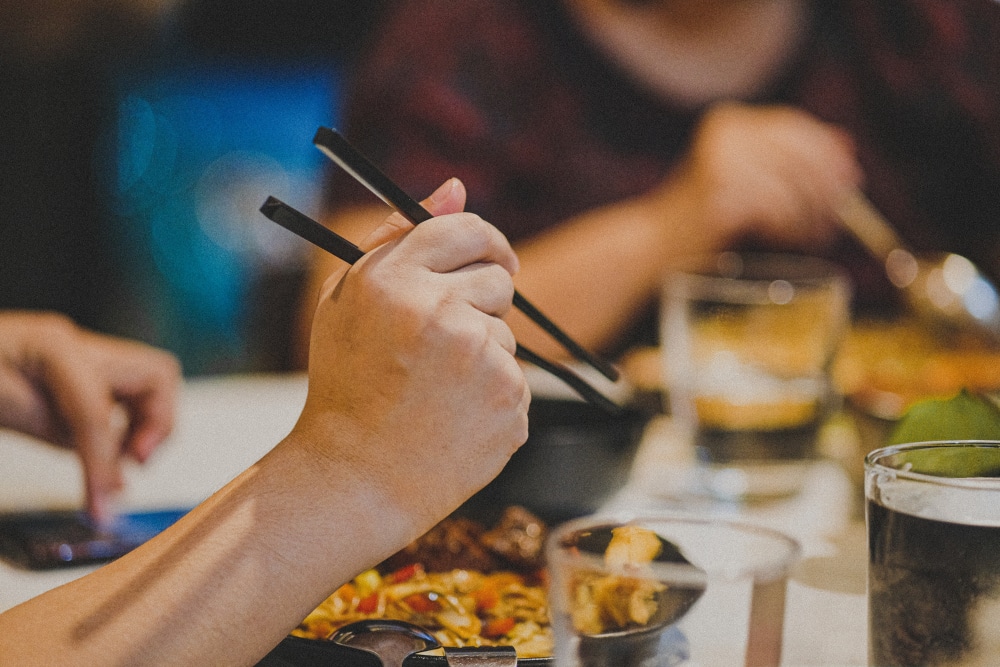
Eating a delicious teppanyaki meal with chopsticks – Credit: Cherish Gonzales
DON’T use your own chopsticks to give or take food
Just as you don’t dip chewed food back in the sauce, don’t pass food around with chopstick ends that have been in your mouth. Avoid taking from shared plates like that, too, in case you touch food someone else will end up eating.
On top of that, passing food between chopsticks looks too much like a Japanese funeral ritual.
If you offer food with your chopsticks, use the other ends. In most cases, you won’t need to – sharer plates usually come with extra chopsticks or serving tongs.

Thanking a friend for sharing a treat – Credit: PeopleImages.com – Yuri A
DO say “thank you” on your way out
And we don’t just mean “arigato”.
“Gochisousama deshita” roughly translates as “thanks for the food” (with a side order of “it was delicious!”). It more literally means “that was a feast!” or “that was a real treat!”, showing your appreciation for the effort that went into making the meal.
Make sure to say it as you’re leaving, to the chef(s) and the restaurant staff. It’s also a nice thing to say if anyone buys you food.

Man paying his bill after he is done eating at a cafe – Credit: Totsapon Phattaratharnwan
DON’T leave a tip
Japan doesn’t have a tipping culture – if you leave cash on the table, it’s assumed you did so by accident. Whoever finds it will probably chase you down the street to give it back…
Restaurant gratuity charges do exist. They’re factored into your meal as “otoshi” or “tsukidashi”, a “free” small dish with a table charge included on your bill. No tip needed.
The next best way you can show your love for Japanese cooking is by clearing your plate.

Group of friends looking at pictures on one phone whilst enjoying food and beer – Credit: Dragon Images
DON’T worry too much – and DO have fun!
Once you’ve got the basics down, dining in Japan can become a foodie experience like no other. You can trust any Arigato Travel tour guide to help you eat like a local.
So now that we have the basic dos and don’ts down pact, it’s time to start your next big foodie adventure across Japan! With so many flavors, varieties, and seasonal ingredients, there is just simply no way you can go wrong when it comes to Japanese cuisine. And if you don’t know where to start, our team at Arigato Travel is more than happy to help, whether it’s through a food tour or by creating an amazing custom foodie itinerary for your next holiday! Just contact our team and we’ll get it all sorted for you, and remember to come hungry! From sushi to yatai and ramen, we’re sure you’ll find something you’ll love, and we can’t wait to see you there!
Featured Photo Credit: kazoka
Ready to see all these tips and tricks in action? Book our Hidden Gem Food Tour today for amazing food and the best way to show off your incredible dining etiquette!
Book your pocket wifi now to stay connected through your entire Japan Journey!

Be sure to get the JR Pass to make navigating Japan during your trip that much easier!
YOU MIGHT ALSO LIKE