Exploring Japan’s Local Vegetable Basics: Gobo, Daikon, Mizuna, and More!
May 8, 2026
BY Richard Hadley
Japan’s culinary tradition is deeply rooted in the use of fresh, seasonal ingredients. Among these, local vegetables –referred to as yasai– hold a special place. From earthy root vegetables to crisp leafy greens, each has its unique flavor, texture, and cultural significance. Today, we’ll delve into three popular Japanese vegetables—gobo (burdock root), daikon (Japanese radish), and mizuna (Japanese mustard greens)—highlighting their seasonality and ways to enjoy them in various dishes.
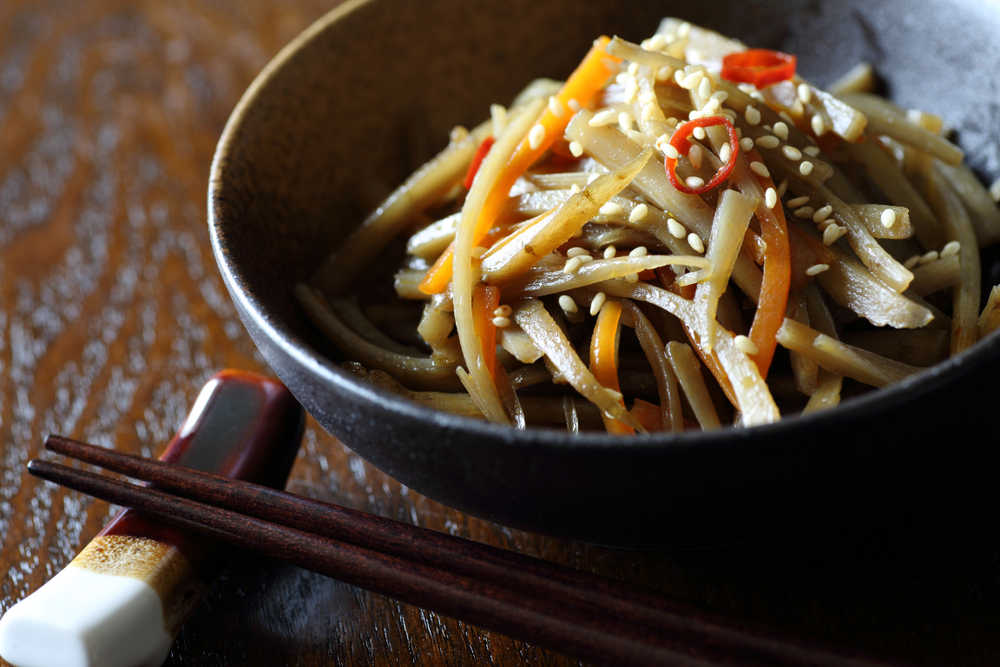
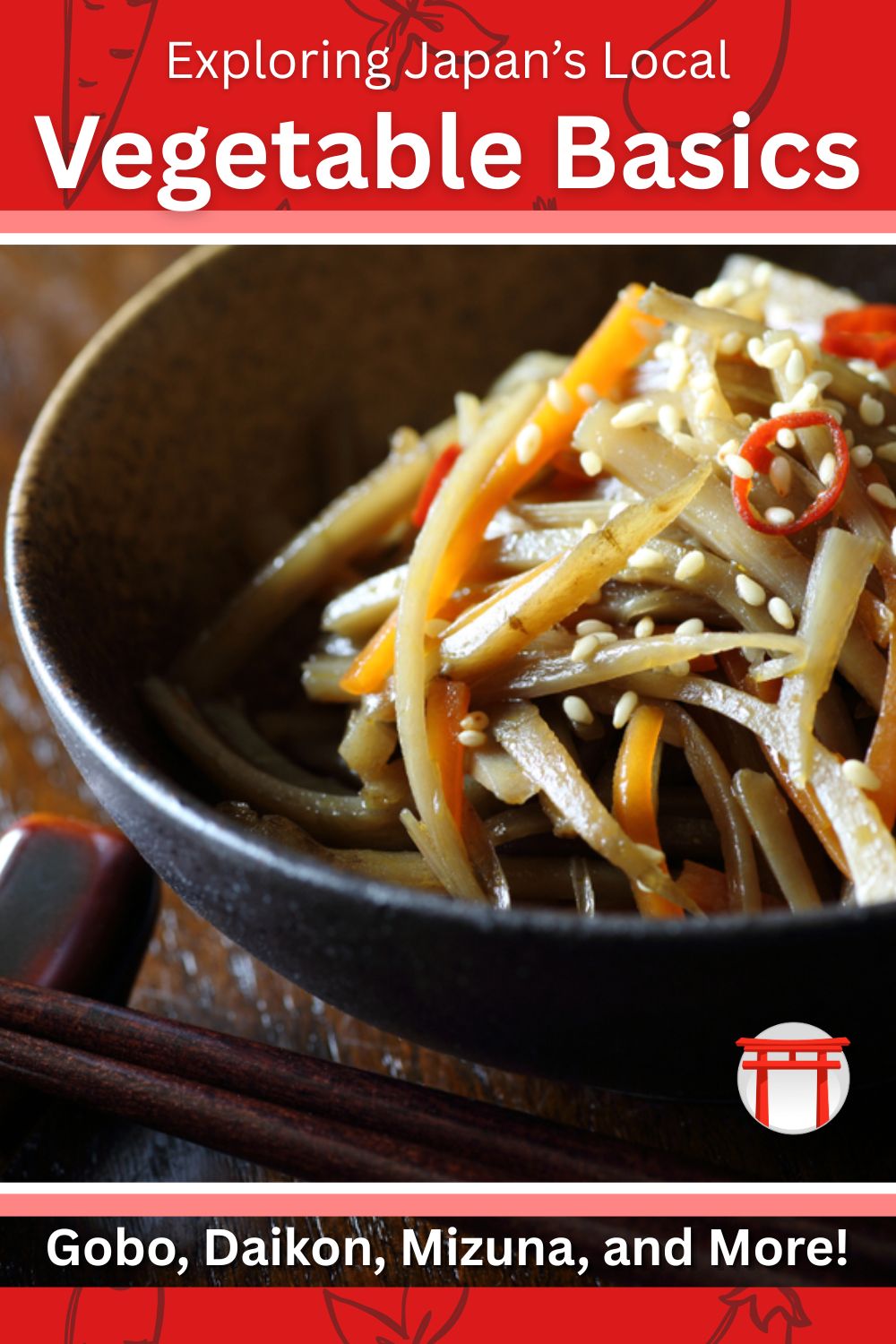
Kinpira Gobo shown as a side dish – Photo credit: gontabunta
Gobo (Burdock Root)
Gobo is the root of the burdock plant, a popular Asian vegetable with a crunchy texture. It’s often used in Japanese cooking, where it’s boiled and seasoned in dishes like Nimono or Miso Soup. Gobo is high in fiber and minerals, and some say it may have a detoxifying effect. Gobo is a long, slender root vegetable harvested primarily in autumn and winter. Its peak season runs from October to February, when its flavor is at its richest and most earthy. With a slightly nutty and earthy flavor, gobo offers a satisfying crunch that holds up well in both raw and cooked dishes.
Culinary Uses
Gobo shines in a variety of Japanese dishes. Here are some examples:
Kinpira Gobo: A classic stir-fry dish where gobo is julienned and cooked with carrots, soy sauce, mirin, and a touch of sesame oil. It’s sweet, savory, and slightly spicy—a perfect side dish.
Gobo Tempura: Burdock root slices are battered and deep-fried to create a crunchy, earthy tempura.
Miso Soup with Gobo: Thinly sliced gobo adds a rustic flavor to the classic Japanese soup.
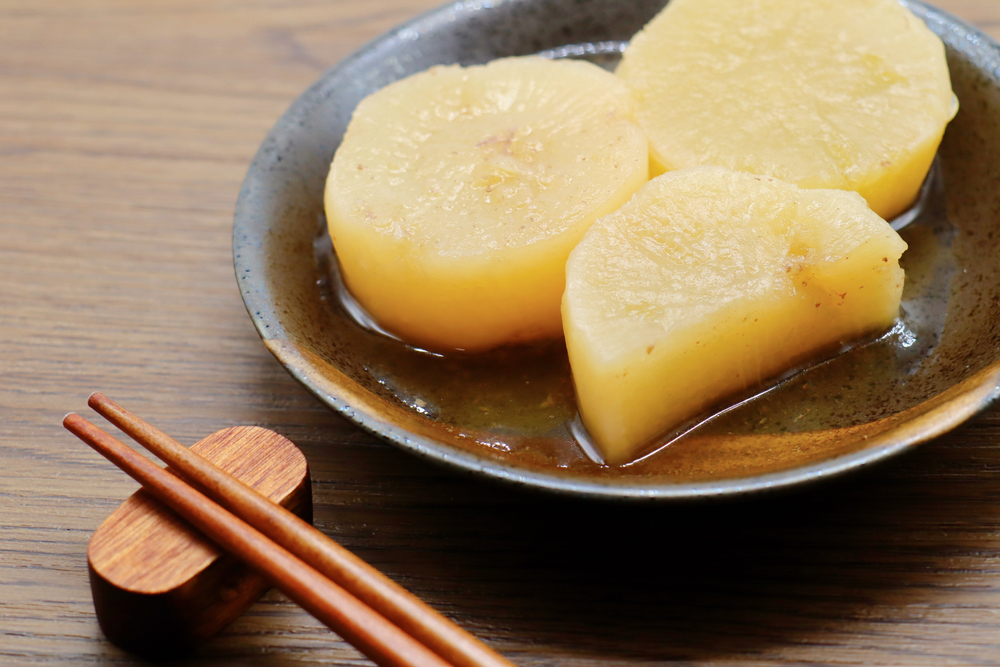
Daikon used in oden – Credit: umaruchan4678
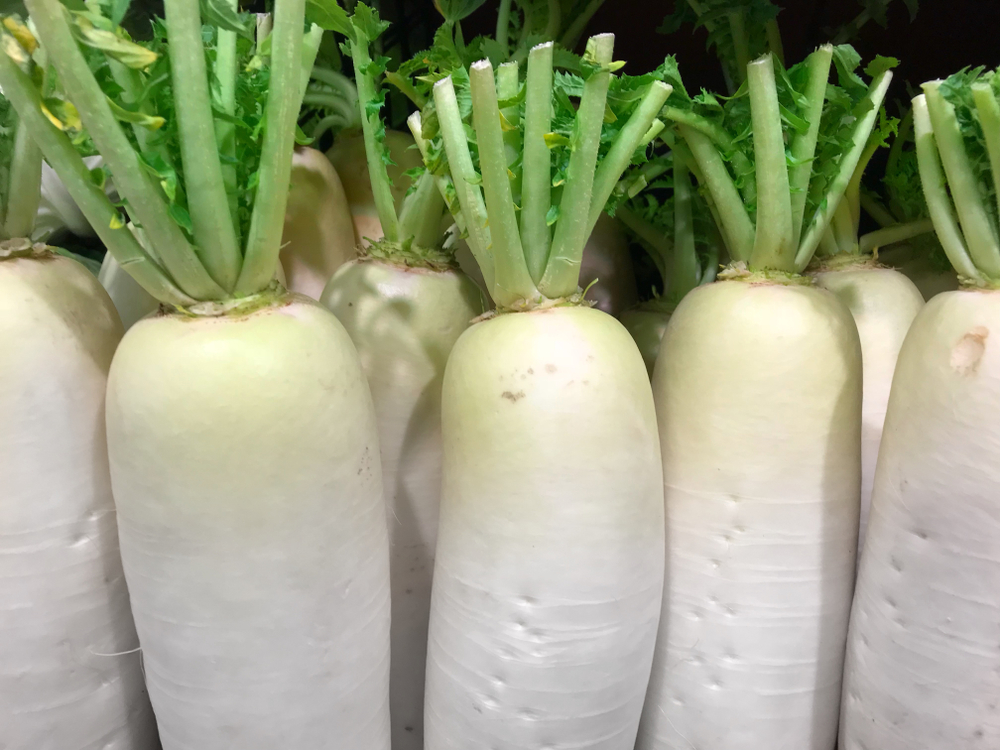
Daikon (Japanese Radish)
Daikon is a staple of Japanese winter cuisine. It is typically harvested between November and March, with its flavor becoming milder and sweeter as the temperatures drop. Raw daikon has a crisp texture and a mildly spicy kick, similar to other radishes. When cooked, it mellows and absorbs surrounding flavors, becoming tender and subtly sweet.
Culinary Uses
Daikon is incredibly versatile, appearing in raw, cooked, and pickled forms across Japanese cuisine:
Oden: This hearty winter stew features thick daikon slices simmered in a soy-based broth until they’re tender and flavorful.
Grated Daikon (Daikon Oroshi): Freshly grated daikon is served as a condiment with grilled fish, tempura, or soba noodles to provide a refreshing contrast to rich dishes.
Takuan (Pickled Daikon): Thinly sliced or whole daikon is pickled in rice bran, salt, and sugar for a tangy, crunchy accompaniment to rice.
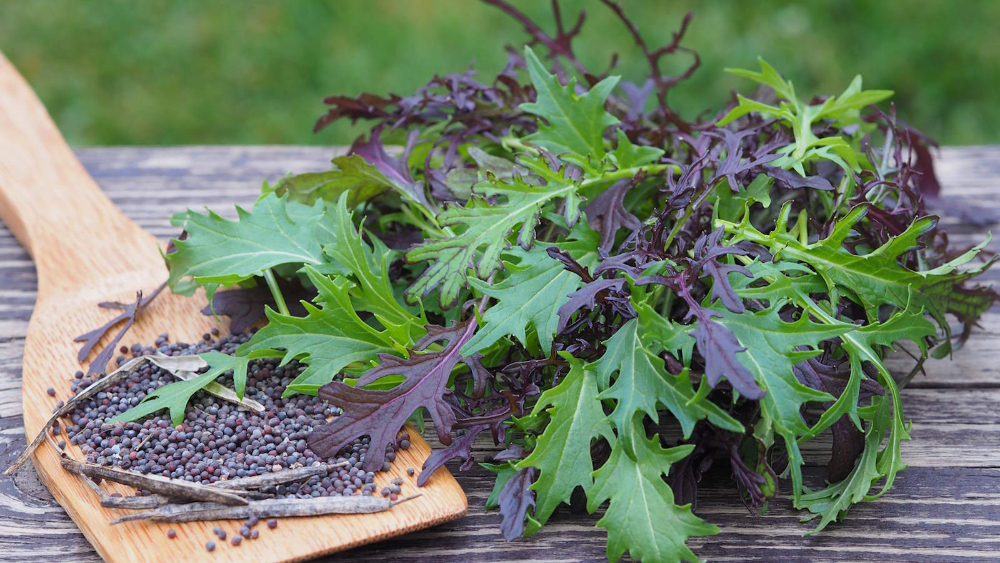
Homegrown Mizuna – Photo credit: Elena Zakharova on Adobe
Mizuna (Japanese Mustard Greens)
Mizuna, a versatile leafy green vegetable, is a popular ingredient in Japanese cuisine. Known for its peppery flavor and tender texture, it thrives in cool weather, making it a great winter green. Packed with vitamins A, C, and K, as well as calcium and iron, mizuna is a nutritious addition to your diet. It’s low in calories and fat, high in fiber, and can be enjoyed both raw and cooked. Whether added to salads, stir-fries, soups, or used as a side dish, mizuna offers a delightful culinary experience.
Culinary Uses
Mizuna’s versatility allows it to be enjoyed in many ways:
Mizuna Salad: Often served raw with a light soy-based dressing or tossed with sesame seeds, it provides a fresh, crisp side.
Hot Pot (Nabe): Mizuna is a favorite addition to winter hot pots, where its leaves wilt slightly in the simmering broth, retaining their brightness and flavor.
Stir-Fried Mizuna: A quick sauté with garlic and sesame oil highlights its peppery notes.
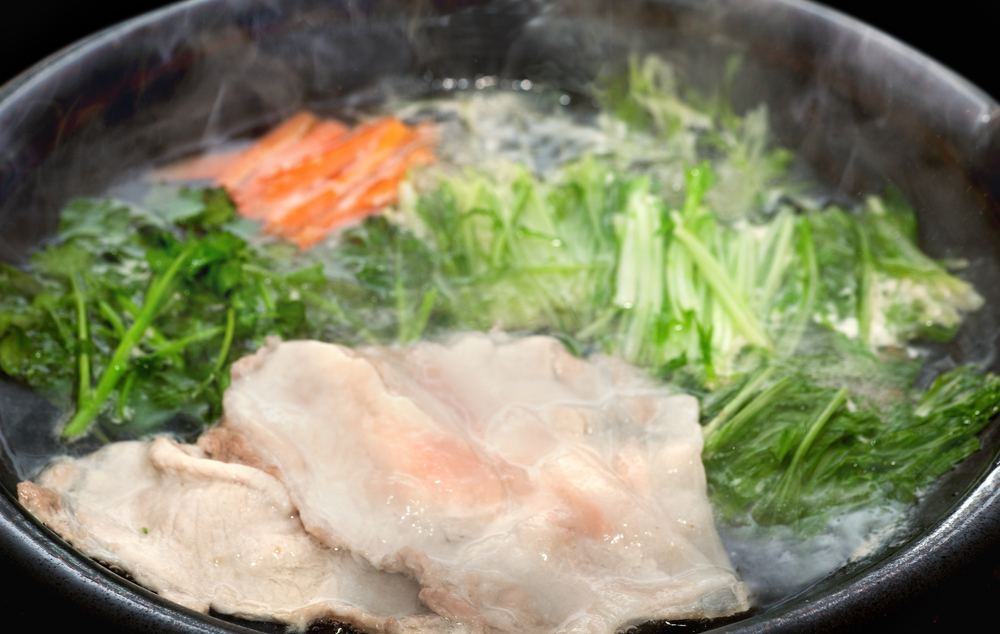
Mizuna and pork pot Japanese cuisine – Credit: ykokamoto
Why Seasonal Vegetables Matter in Japanese Cuisine
Japanese cuisine is deeply connected to the concept of shun, which refers to enjoying ingredients at their seasonal peak. By using vegetables like gobo, daikon, and mizuna in their prime, dishes not only taste better but also align with nature’s rhythm. Eating seasonally is also more sustainable and supports local farmers.
Honorable Mentions: Other Local Favorites
While gobo, daikon, and mizuna are staples, Japan’s vegetable variety extends far beyond these:
Kabocha (Japanese Pumpkin): A winter squash with a rich, sweet flavor, perfect for soups and tempura.
Negi (Japanese Green Onion): Available year-round but at its sweetest in winter, often used in soups and grilled dishes.
Shiso (Perilla Leaves): A summer herb with a minty, citrusy flavor, used as a garnish or wrap for sushi.
Whether you’re a seasoned home cook or new to Japanese cuisine, incorporating local vegetables like gobo, daikon, and mizuna into your meals is a great way to celebrate the flavors of Japan. By embracing their seasonality and unique qualities, you can deepen your appreciation for Japanese food culture—and enjoy some delicious, healthy meals in the process.
Featured Photo Credit: Massaneeya
Make sure to join our Flavors of Japan Food Tour to learn more about the building blocks of Japanese cuisine!
PIN THIS FOR LATER
Book your pocket wifi now to stay connected through your entire Japan Journey!

Be sure to get the JR Pass to make navigating Japan during your trip that much easier!

YOU MIGHT ALSO LIKE