Family-Friendly Tokyo: Why Ueno Is Great for Multi-Generational Travelers
Sep 5, 2026
BY Chuan En Gwee
A multi-generational family trip to Tokyo is nuanced and complicated. What works for solo travelers, couples, or even small family trips may no longer apply as the group size and age range get bigger. It’s not just about choosing the “best” place to stay or explore. It’s also about finding a place that accommodates everyone all at once. Grandparents may need shorter walks, easy train access, and places to sit down. Kids want open space, animals, snacks, and engaging activities. Parents are usually the ones juggling luggage, nap times, restaurant choices, and the daily question of how much the whole group can realistically handle.
That is why Ueno gets our recommendation as a strong base for family travel. With direct Narita Airport access via the Keisei line, major train connections, Ueno Park, Ueno Zoo, museums, Shinobazu Pond, and the lively Ameyoko shopping street all close together, Ueno makes Tokyo feel more manageable. It gives families the flexibility to do a full day of exploring, slow down when someone gets tired, or split up for different activities without turning the whole day into a logistical puzzle.
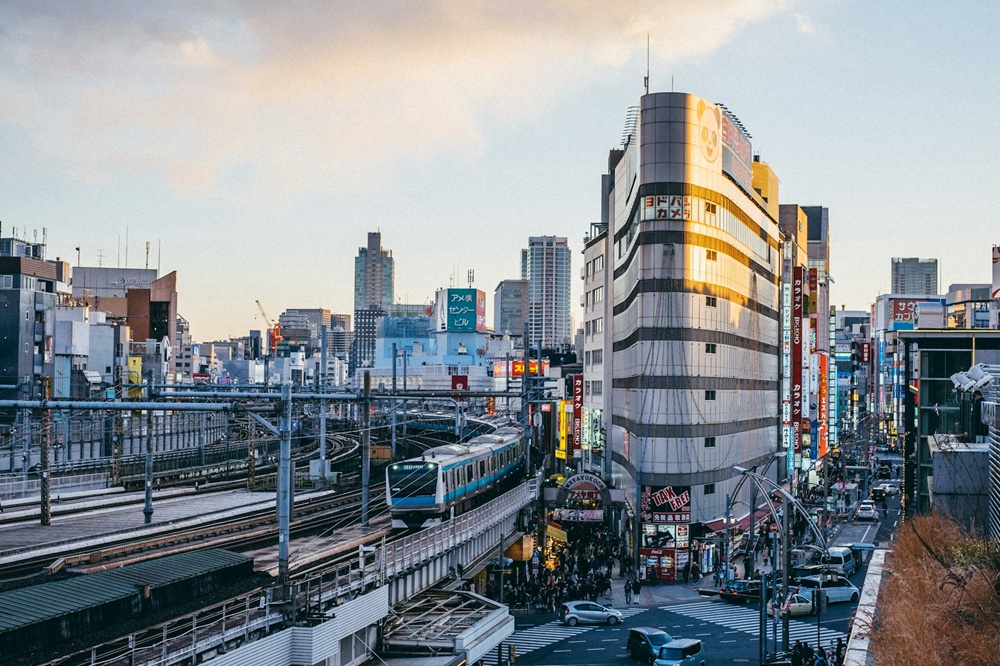
Bustling scene at Ueno Station in Tokyo, Japan – Photo Credit: Keisuke Higashio
Why Staying in Ueno Works Well for Families
Convenient Access to/from Narita Airport
Ueno offers a direct connection for travelers arriving from Narita Airport via the Keisei Skyliner. This is especially helpful for:
- Grandparents who do not want long platform walks
- Parents carrying luggage and managing kids
- Families arriving in the evening
- Groups that want a straightforward airport-to-hotel route
This also means avoiding the stress of transferring through massive, crowded stations like Tokyo or Shinjuku with luggage and kids.
Good Train Access Without Staying in an Overwhelmingly Busy Area
Ueno is on the JR Yamanote Line as well as the Tokyo Metro’s Ginza and Hibiya lines, so it connects well to Asakusa, Ginza, Akihabara, Tokyo Station, and many central areas. Compared with Shinjuku or Shibuya, Ueno is usually easier to understand and less intimidating for families, while still feeling central.
Flexibility and Pace for Families
One of Ueno’s biggest advantages for families is that it makes it easy to adjust the day as you go. There are convenience stores, casual restaurants, cafés, bakeries, ramen shops, sushi spots, department-store food floors, and quick snacks nearby, so families do not have to plan every meal perfectly in advance. If kids get hungry at odd times, grandparents want something simple, or parents need an easy fallback, there is usually something close by.
Ueno also works well for “split group” travel: one parent can take the children to the zoo while grandparents visit a museum or rest at a café, or part of the family can browse Ameyoko Shopping Street while others return to the hotel.
Your family can even have a low-effort day without crossing the city: Ueno Park, Ueno Zoo, museums, Shinobazu Pond, Ameyoko, and all the different food options are all nearby. This flexibility means that everyone does not have to move as one unit all day, and the itinerary can bend around different energy levels, appetites, and interests.
Practical Accommodation Options
Ueno also gives families a practical range of accommodation options, often at better value than areas like Ginza, Shinjuku, or Roppongi. It is not always “cheap,” but families can usually find a useful mix of hotels, family rooms, apartment-style stays, and mid-range properties. This makes it easier to choose a stay that fits the way your family actually travels, whether that means extra beds, connecting rooms, more space for luggage, a small kitchenette, or an in-room washer/dryer for longer trips. For a multi-generational family trip, the best hotel is not necessarily the most luxurious one. It is the one that minimises your daily stress.
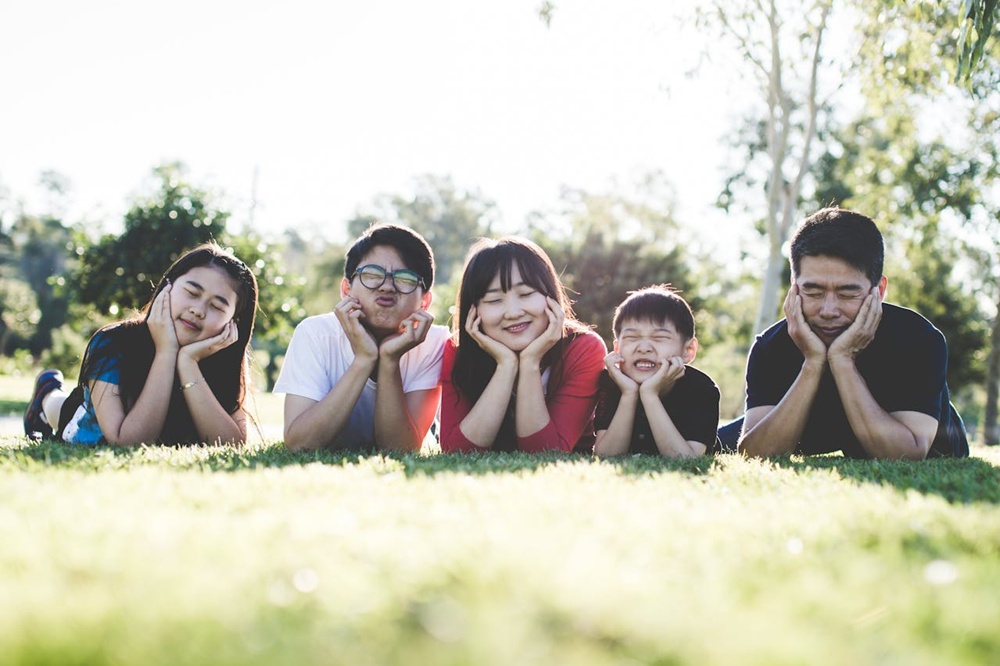
Happy family on grass – Photo Credit: Pixabay
Family-Friendly Things to Do in Ueno
Ueno Park: Low-Pressure, Flexible, and Scenic
Ueno Park is one of the best places in Tokyo for a multi-generational family to slow down without feeling like they have stopped sightseeing altogether. It offers something that can be surprisingly hard to find in a big city: space, flexibility, and easy options within walking distance.
The park itself is spacious enough for children to move around, but still structured enough that families can build a simple day around it. Grandparents can enjoy a slower walk, rest on benches, or spend time at one of the nearby museums, while children can look forward to Ueno Zoo, open paths, seasonal flowers, and the pond area. Parents benefit from the fact that many of Ueno’s main attractions are clustered together, meaning the day does not have to involve constant train rides or complicated transfers.
Address: Uenokoen, Taito City, Tokyo 110-0007, Japan
Open Hours: 5 am – 11 pm, 7 days a week
Phone Number: +81338285644
Website: https://www.kensetsu.metro.tokyo.lg.jp/jimusho/toubuk/ueno

Guinea pigs in the Children’s Zoo Step Hall, Ueno Zoo – Photo Credit: Ueno Zoo
Ueno Zoo: For Children, Animal Lovers, and Shared Memories
Ueno Zoo is a classic family stop because young children get an obvious “wow” activity, while adults and grandparents can enjoy the park-like setting. Rather than trying to see everything, multi-generational families may enjoy the zoo most as a flexible half-day stop. Children can see elephants, monkeys, gorillas, tigers, polar bears, birds, and reptiles, while adults can appreciate the zoo’s park-like setting and history (fun fact: it is Japan’s oldest zoo, founded in 1882).
One of the zoo’s biggest strengths is flexibility. Families can keep the visit short if younger children get tired or grandparents prefer less walking, and nearby indoor attractions make it easy to adjust plans in bad weather. Even after the departure of the giant pandas in January 2026, Ueno Zoo remains one of the most practical and family-friendly attractions in Ueno.
Practical note: Ueno Zoo is usually closed on Mondays. Check the calendar before building a family itinerary around it.
Address: 9-83 Uenokoen, Taito City, Tokyo 110-8711, Japan
Open Hours: 9:30 am – 5 pm, Tuesday – Sunday (closed Mondays)
Phone Number: +81338285171
Website: https://www.tokyo-zoo.net/ueno/
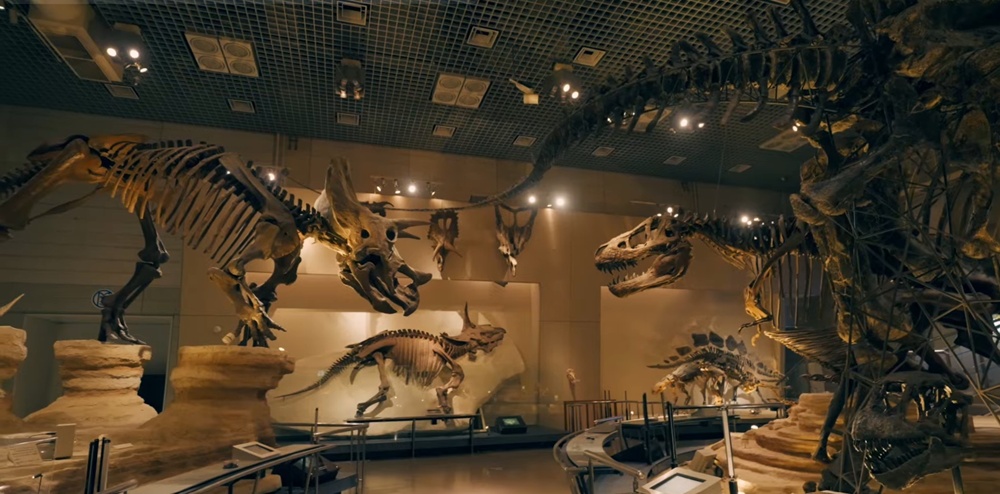
Dinosaur fossils – Photo Credit: National Museum of Nature and Science, Tokyo YouTube
Museums in Ueno: Catering to Different Energy Levels
An underrated advantage of Ueno is the many museums offering indoor seating, toilets, elevators, cafés, and protection from inclement weather.
Families with curious children may want to start with the National Museum of Nature and Science, located inside Ueno Park. It is one of the most engaging indoor stops in the area, especially for kids who enjoy dinosaurs, animals, science exhibits, and displays with lots to look at. It can be a good option for parents too, because there is enough variety for different ages, along with practical facilities such as restaurants, rest areas, and places to pause when the family needs a break. The best part? Entry is free for children!
For grandparents or culture-focused adults, the Tokyo National Museum can be a calmer alternative. It is a good choice for families who want Japanese art, history, architecture, and a slower museum experience rather than a high-energy attraction. The spacious grounds and cultural atmosphere make it especially appealing for adults and older travelers, while the slower pace can work well for families who need an indoor activity that does not feel too rushed.
Families with younger children can also consider the International Library of Children’s Literature, located near Ueno Park. It is quieter than the zoo or science museum and can be a lovely low-energy stop, especially for families who need a break from crowds. The building itself is beautiful, and the children’s books, reading spaces, and exhibitions make it a gentle option for kids, book-loving parents, and grandparents who prefer a slower indoor activity.
National Museum of Nature and Science
Address: 7-20 Uenokoen, Taito City, Tokyo 110-8718, Japan
Open Hours: 9 am – 5 pm, Tuesday – Sunday (Closed Mondays)
Phone Number: +815055418600
Website: https://www.kahaku.go.jp/
Tokyo National Museum
Address: 13-9 Uenokoen, Taito City, Tokyo 110-8712, Japan
Open Hours: 9:30 am – 5 pm, Wednesday – Monday (Closed Tuesdays)
Phone Number: +815055418600
Website: https://www.tnm.jp/
International Library of Children’s Literature
Address: 12-49 Uenokoen, Taito City, Tokyo 110-0007, Japan
Open Hours: 9:30 am – 5 pm, Tuesday – Sunday (Closed Mondays)
Phone Number: +81338272053
Website: https://www.kodomo.go.jp/
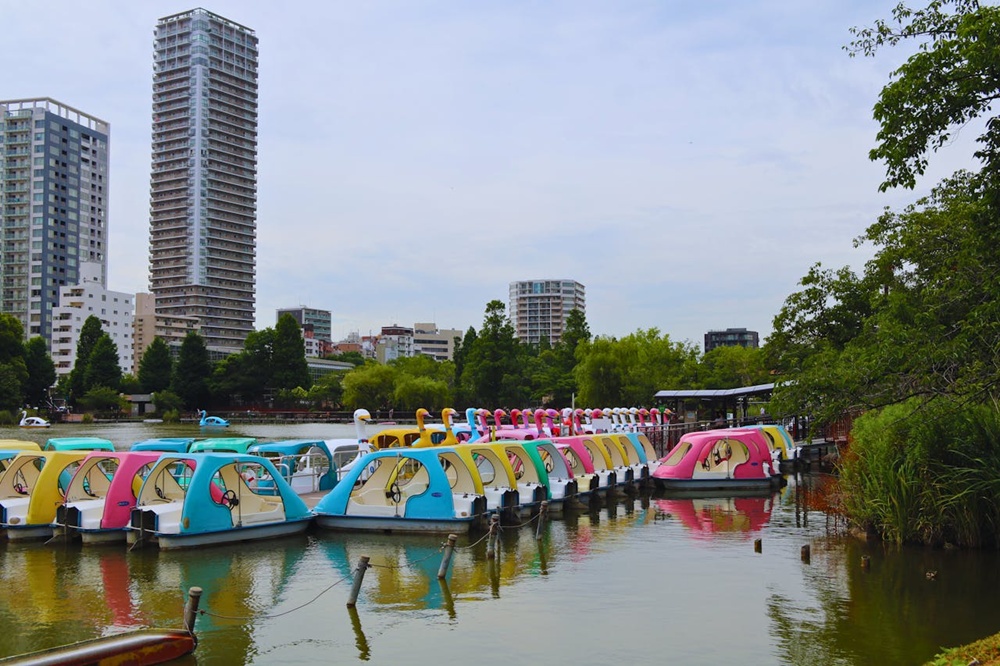
Colorful swan boats on Shinobazu Pond – Photo Credit: Bruna Santos
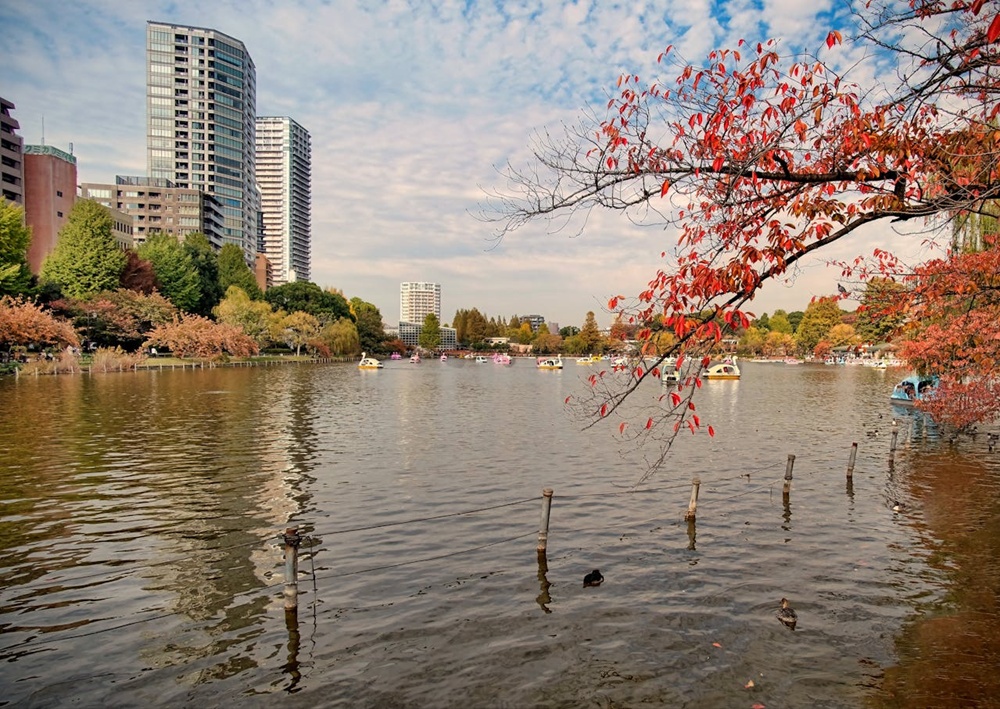
Shinobazu Pond: Rest or Paddle Away Some Energy
Shinobazu Pond is a part of Ueno that everyone can enjoy. Children can watch for migratory birds, look out for boats, or rent one of the iconic swan pedal boats for a relaxing, scenic way to burn off some energy on the water. Grandparents can sit and rest nearby, while parents get a peaceful pause without needing to buy tickets or commit to another major attraction. It is also a good place to split the group: energetic kids and one parent can continue walking or boating, while grandparents and another adult take a slower pond-side break.
Address: 5-20 Uenokoen, Taito City, Tokyo 110-0007, Japan
Open Hours: 8:30 am – 5:30 pm, 7 days a week
Phone Number: +81338285644
Website: https://www.kensetsu.metro.tokyo.lg.jp/jimusho/toubuk/ueno/index_top.html
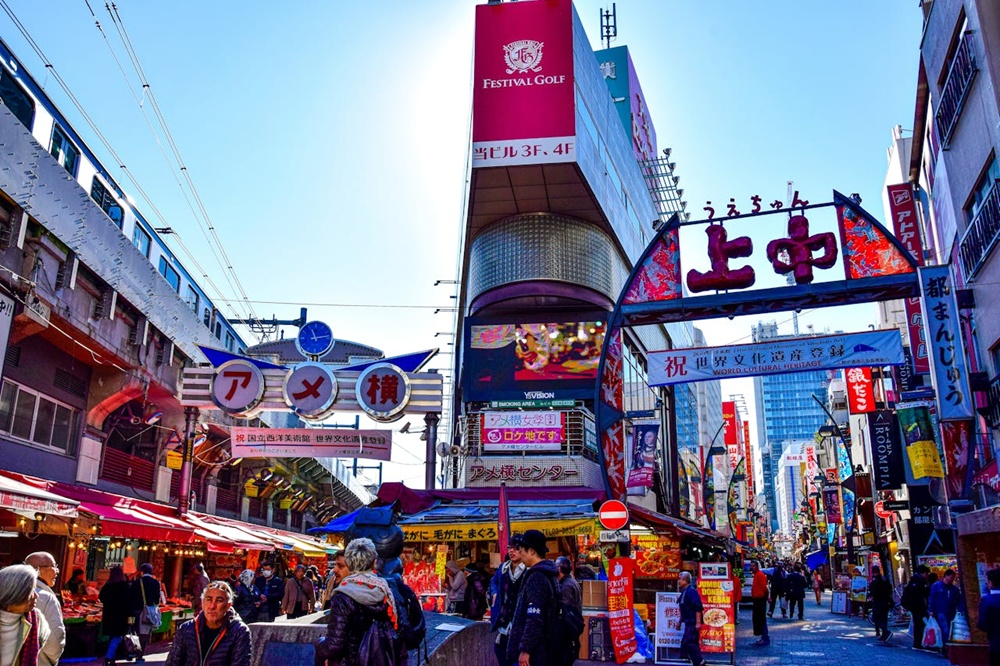
Busy street market in Ameyoko, Ueno – Photo Credit: AXP Photography
Ameyoko Shopping Street: A Lively Stop for Snacks, Souvenirs, and Local Flavor
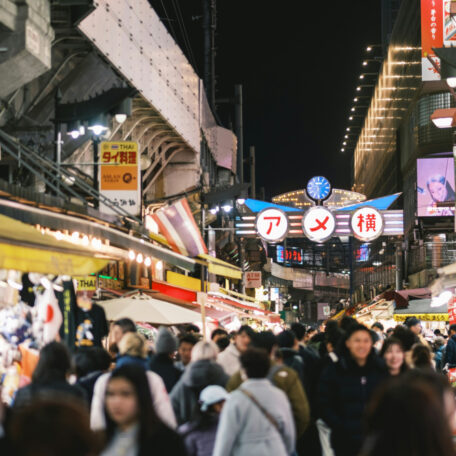
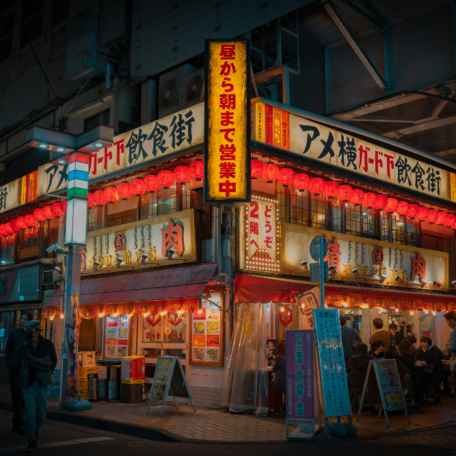
Ameyoko is a roughly 500-meter (0.3 miles) shopping street from Ueno Station to Okachimachi Station, with around 500 shops and stalls selling seafood, sweets, snacks, cosmetics, fashion, and miscellaneous goods. It gives families a very different side of the Ueno neighborhood: busy, colorful, noisy, and full of local energy. It is a fun place to browse for small souvenirs, try casual snacks, pick up treats to bring back to the hotel, or simply experience the lively market atmosphere.
For multi-generational families, Ameyoko is best treated as a short food-and-souvenir stroll rather than a long shopping mission. The narrow streets and crowds can be exciting for older children and teens, but tiring for grandparents, toddlers, or anyone using a stroller or wheelchair, especially at peak times. A good approach is to set a simple goal, such as buying snacks, looking for souvenirs, or walking one short section before taking a break. Families may also want to visit earlier in the day, keep bags light, and agree on an easy meeting point in case the group naturally moves at different speeds.
Address: 6 Chome-10-7 Ueno, Taito City, Tokyo 110-0005, Japan
Phone Number: +81338325053
Website: https://ameyokoinfo.com/
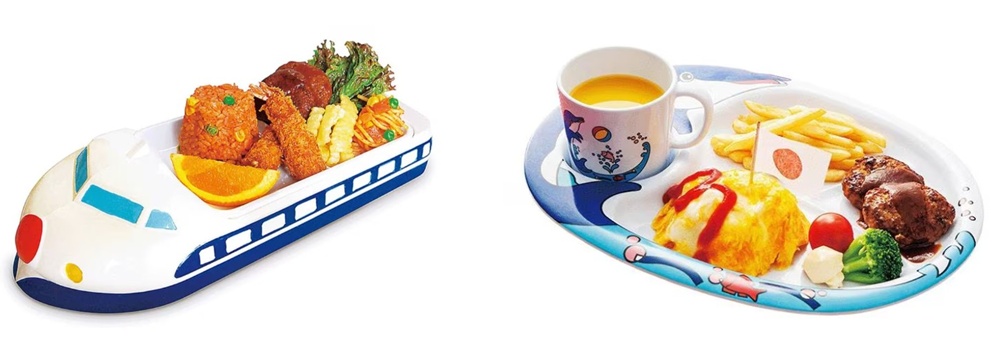
Okosama (children’s) lunch in special crockery – Photo Credit: Kikkoman
Family-Friendly Dining in Ueno
Another reason Ueno works well for multi-generational families is the range of easy dining options nearby. Around Ueno Park, the museums, and the zoo, families can find cafés and casual restaurants that are useful for a slower lunch, snack break, or sit-down pause between activities. Museum and attraction cafés may also offer child-friendly meals, often presented in the familiar Japanese “okosama lunch” style, with smaller portions, cutesy food or cutlery shapes, and kid-friendly items.
For reliable, casual, and budget-friendly meals, family restaurant chains, known as “famiresu,” are also a helpful fallback. Chains such as Saizeriya, which serves Italian-inspired dishes, and Gusto are found around Ueno and can be especially useful for picky eaters, tired children, or grandparents who want somewhere simple and seated. These restaurants usually offer broad menus, affordable prices, soft drink bars, and a relaxed atmosphere where families do not have to worry too much about everyone ordering the same type of food.
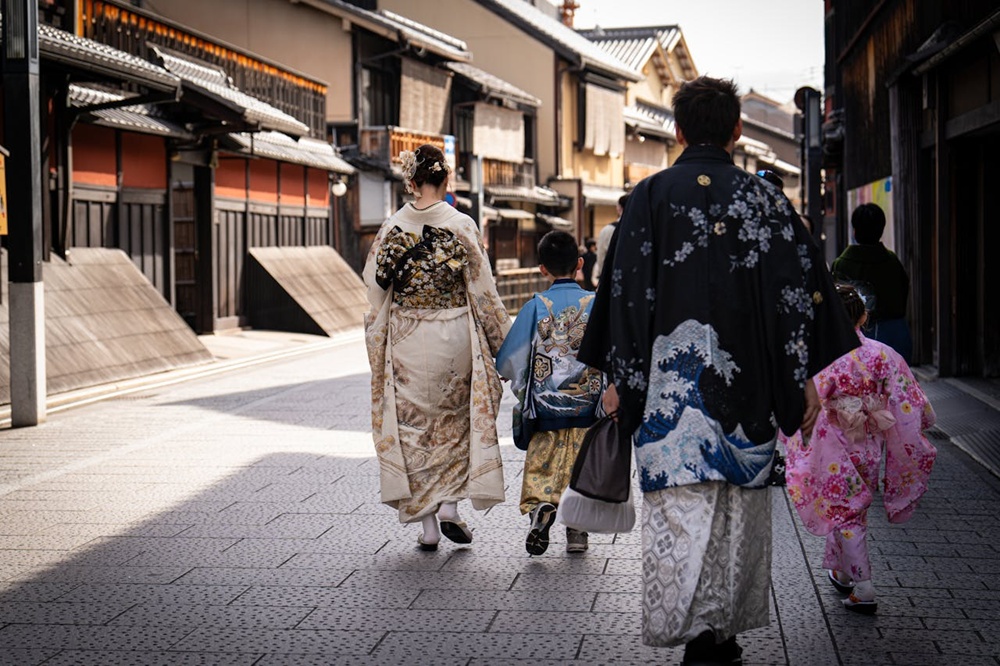
Family in colorful kimonos walking through Japanese historic street – Photo Credit: G N
Ueno? How About Ue-yes?
For multi-generational families, Ueno is an excellent option because it helps to make Tokyo feel a little easier and calmer and provides more flexibility for exploration. It fits everything naturally into family travel: direct Narita Airport access, convenient train connections, practical accommodation options, open space, museums, the zoo, casual dining, and plenty of places to slow down when needed. If you are planning a family visit to Tokyo and want a neighborhood that helps everyone enjoy the journey at their own pace, Ueno is well worth considering as a base!
Featured Photo Credit: Stephen Llevares
Ready to explore Ueno one bite at a time? Our brand new tour, Ten Tastes of Tokyo: Ueno, has been expertly crafted to take you through the best of what this historical neighborhood has to offer without overloading you!
PIN THIS FOR LATER
Book your pocket wifi now to stay connected through your entire Japan Journey!

Be sure to get the JR Pass to make navigating Japan during your trip that much easier!
YOU MIGHT ALSO LIKE