THEN VS. NOW: HOW TRAVELING IN JAPAN HAS CHANGED IN THE PAST 10 YEARS
Jul 14, 2026
BY Maria Diaz
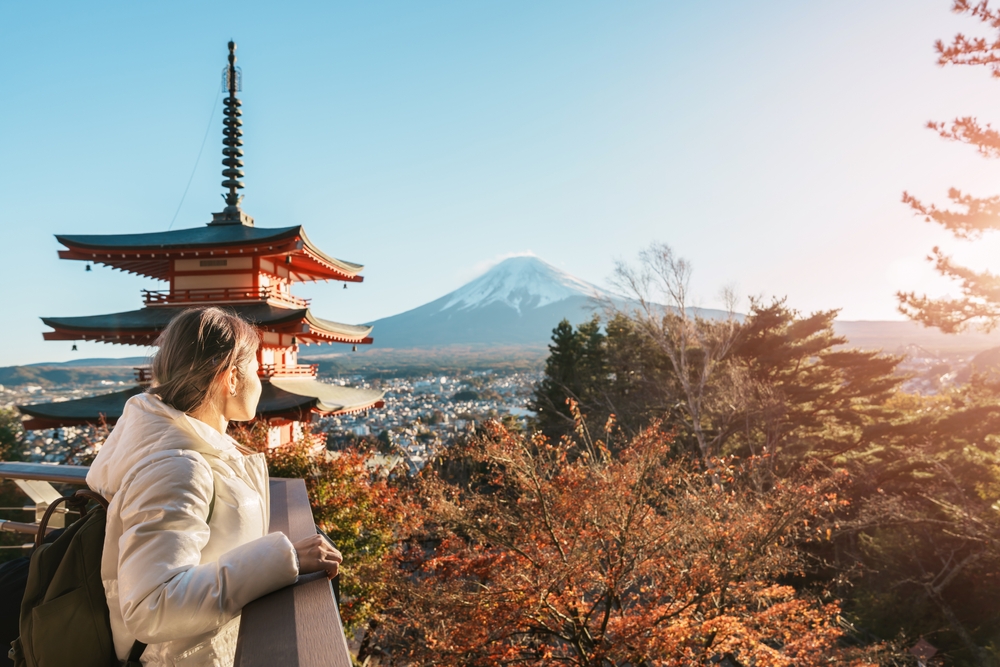
This year marks something truly special for us: 10 years since Arigato Travel began. Over the past decade, we’ve had the joy of exploring Japan alongside so many of you, sharing meals, stories, cultural experiences, and unforgettable moments. And wow… a lot has changed since 2016.
So, to celebrate our anniversary, we thought we’d take a step back and look at how traveling in Japan has evolved over the last 10 years and what makes it just as magical (if not more) today. So grab something to eat to celebrate and join us in today’s blog…
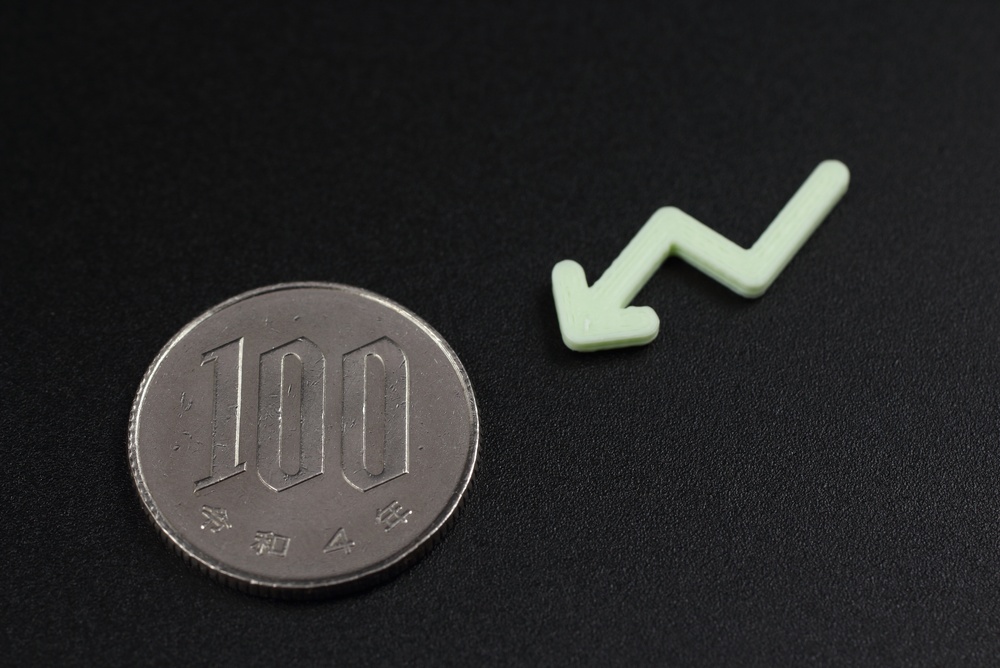
Value of yen dropping – Photo Credit: Ningin
A Weaker Yen in the Last Four Years
Probably this is the most obvious and well-known to everyone, but one of the biggest shifts shaping travel to Japan right now is the value of the Japanese yen. Over the past decade, the currency hasn’t followed a straight path. It stayed relatively stable for years and even strengthened briefly during the pandemic, but since 2022, it has dropped sharply to levels not seen in decades. What that means in real life is simple: your money just goes further. About ten years ago, one US dollar got you around ¥120; today it’s closer to ¥150-160. The euro tells a similar story, going from roughly ¥130 to around ¥170-180. Suddenly, experiences that once felt like a splurge, such as an omakase dinner, a ryokan stay, or that extra train ride to somewhere less explored, feel much more within reach. We’ve noticed it ourselves: people are lingering longer, saying “yes” more often, and turning what used to be a once-in-a-lifetime trip into something they want to repeat. And honestly, it’s been amazing to watch more travelers fall in love with Japan in a deeper, more relaxed way.
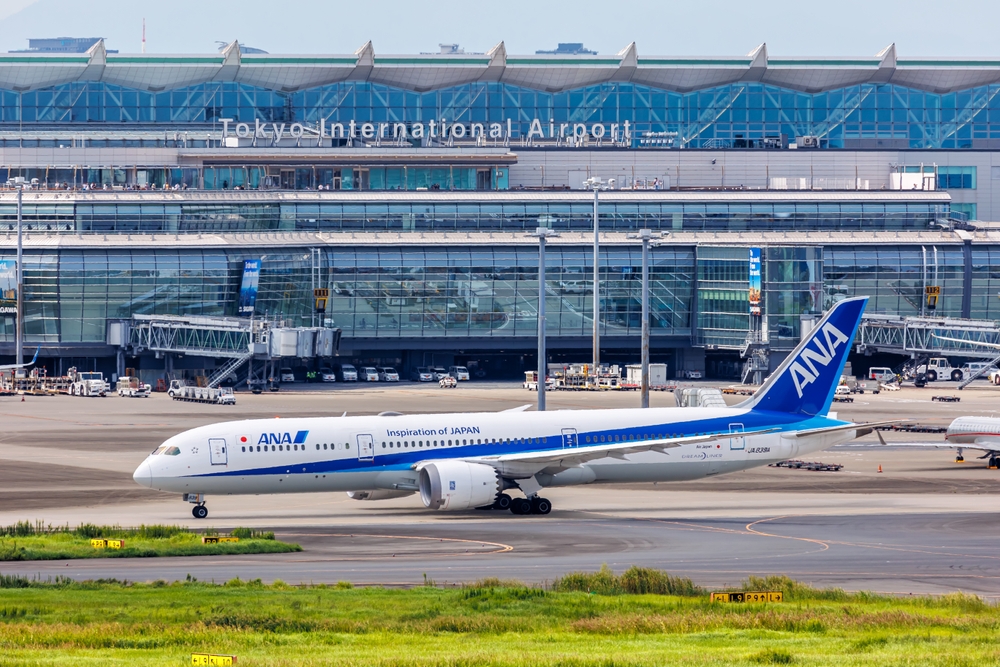
ANA airplane at Tokyo Haneda Airport – Photo Credit: Markus Mainka
Faster Arrivals, Changing Entry Experiences
Arriving in Japan today feels very different from a decade ago. What used to involve paper forms and long queues has become a much faster, more streamlined process thanks to automation and digital systems. Travelers can now complete immigration and customs forms online before arrival, and at many major airports, automated gates help speed things up even further. Platforms like Visit Japan Web allow travelers to complete immigration and customs procedures in advance, generating QR codes that speed up airport entry.
At the same time, Japan is gradually introducing more structured entry processes to better manage the growing number of visitors. In the future, this may include a pre-arrival authorization system, similar to the ESTA used in the United States, designed to improve security and reduce wait times on arrival.
Biometric technology, such as facial recognition and fingerprint scanning, is also playing a bigger role. While this adds an extra layer of control, it’s generally quick and efficient, and most travelers move through the process without much delay.
From our perspective, it’s all about making travel smoother while keeping everything running beautifully behind the scenes. The experience feels more modern, more organized, and ultimately much more traveler-friendly than it used to be.
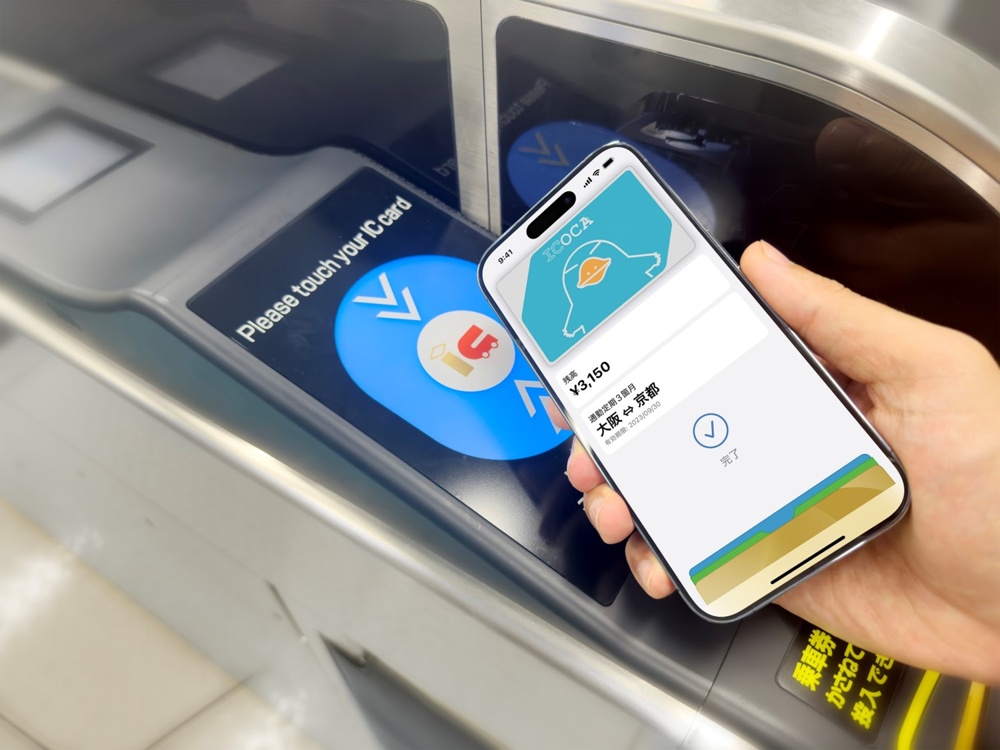
Phone acting as an IC transit card – Photo Credit: DIME
Tap and Go: Japan’s Travel Revolution
Back in 2016, traveling in Japan often meant juggling paper tickets, printed hotel confirmations, and physical rail passes. Even something as simple as navigating the metro could feel intimidating if you didn’t understand the system. Fast forward to 2026, and the entire experience has been streamlined through technology.
Meanwhile, transportation has gone fully mobile. IC cards such as Suica or ICOCA are now widely available on smartphones, meaning you can tap your phone to enter trains, buses, and even pay in convenience stores, vending machines, and restaurants. Reservations for the Shinkansen and other services can also be handled digitally, with seat selection, ticket changes, and QR code boarding all managed from your phone.
Navigation has improved just as dramatically. Apps like Google Maps now provide highly accurate train routes, platform numbers, and real-time updates, making it much easier to move around even in complex stations. Multilingual support across machines, signs, and apps has also expanded, helping reduce the language barrier that once made travel more challenging.
At the same time, many hotels and services have adopted contactless check-in, digital confirmations, and online support, reducing the need for printed documents altogether. Free Wi-Fi is far more common in stations, trains, and public areas, allowing travelers to stay connected throughout their journey.
This transformation has made Japan significantly more accessible, especially for first-time visitors, reducing the stress that once came with language barriers and unfamiliar systems. Travel feels smoother, faster, and more intuitive than ever before.
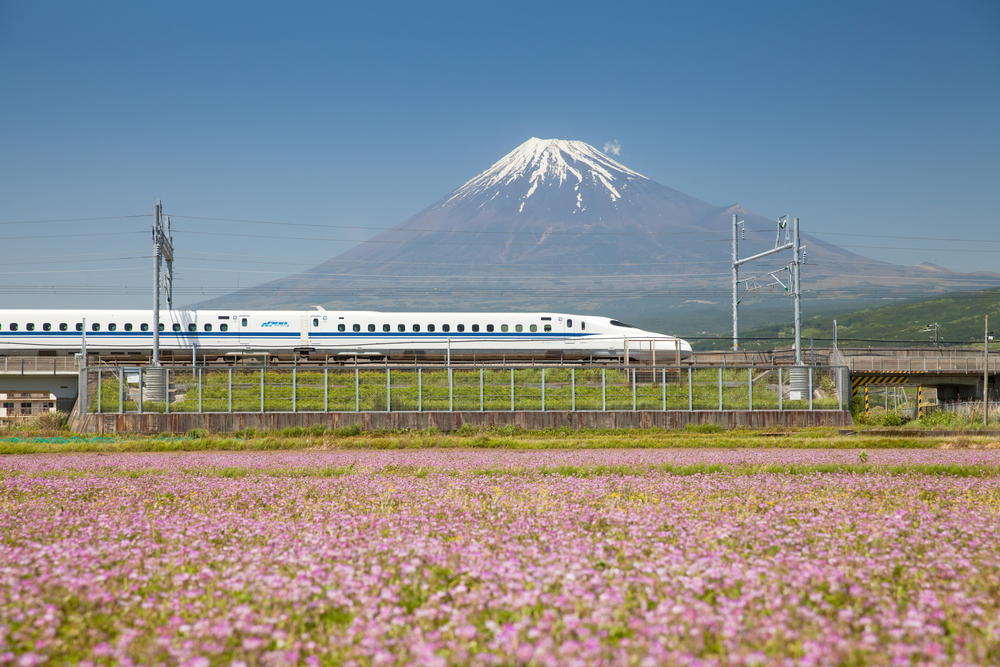
Shinkansen bullet train and Mount Fuji – Photo Credit: Sakarin Sawasdinaka
Japan by Train: A Little Pricier, a Lot Easier
Japan’s transport system has always been one of the best in the world, and we’ll never stop loving the Shinkansen, but over the past 10 years, it hasn’t just become more convenient… it’s also become a bit more expensive.
Back in 2016, a one-way Shinkansen ticket from Tokyo to Osaka was cheaper. Today, that same trip usually costs around ¥15,103 for a non-reserved seat and ¥16,028 for a reserved seat. So while prices haven’t increased dramatically, they have definitely increased. On top of that, recent fare adjustments and the major Japan Rail Pass price increase in 2023 have made train travel feel less like a bargain than it once did, so you should consider whether it’s more convenient for you to buy individual train tickets or get the JR Pass.
That said, getting around Japan is now easier than ever. Cards like PASMO and Suica work across much more of the country, and booking tickets online is far more straightforward than it used to be. The system feels more connected, more seamless, and much more user-friendly. At the same time, with more travelers comes more structure. Luggage rules on the Shinkansen are now stricter, requiring reservations for oversized bags, and overall systems are a bit more regulated to keep everything running smoothly. But we’ve got good news for you: Japan has a great luggage forwarding system, so you don’t need to worry about your bags anymore (click here if you want to learn more).
So yes, train travel today is slightly more expensive. But it’s also more efficient, more accessible, and still one of the most enjoyable ways to explore Japan. And honestly? That view of Mount Fuji from the window still makes it worth every yen.
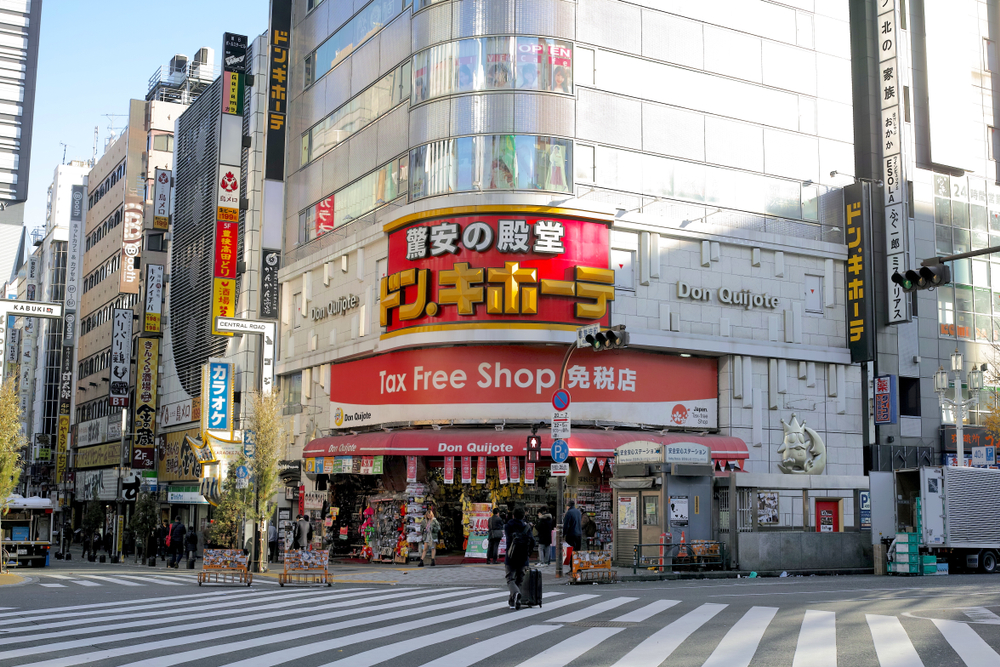
Don Quijote store in Shinjuku – Photo Credit: Takamex
How Shopping Has Changed
Shopping in Japan is still one of those joyful, almost ritual-like travel experiences, whether it’s browsing tiny local shops or walking into a perfectly curated department store. But over the past decade, the tax-free system has quietly become more structured.
Back in 2016, it felt incredibly simple: show your passport, get your discount instantly, and you were good to go. Today, things are a bit more regulated. Travelers are now expected to follow stricter rules, especially for consumable goods like cosmetics or food, which are often sealed and technically shouldn’t be opened before leaving the country.
There’s also a gradual shift in how tax refunds are handled. While many stores still offer immediate tax-free shopping, Japan is moving toward a system where refunds will be processed more centrally, including at the airport, making the experience feel a little less spontaneous than before.
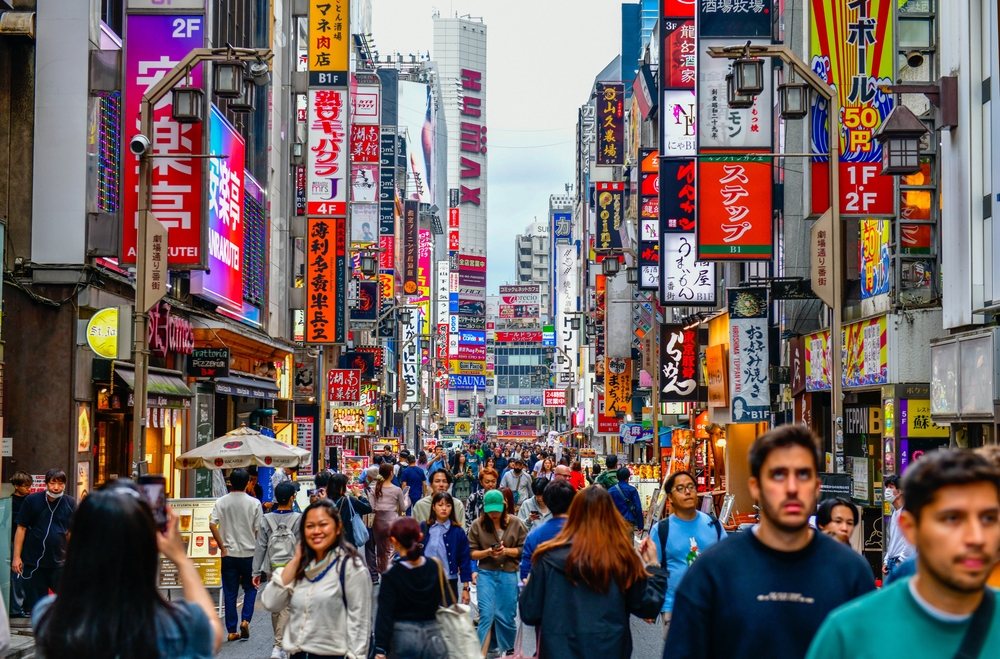
Tourists around the Shinjuku area – Photo Credit: i viewfinder
More Visitors and More Changes in Who’s Visiting
If there’s one change you can truly feel, it’s the number and diversity of tourists. Japan has gone from a popular destination to a global tourism powerhouse. In 2024 alone, the country welcomed around 36.9 million international visitors, breaking previous records. And that number has continued to grow into 2025 and beyond.
But what’s especially interesting is who is visiting Japan today. Ten years ago, tourism was already strong from nearby Asian countries like China, South Korea, and Taiwan, and they still make up a large share of visitors today. However, in recent years, Japan has seen a noticeable increase in travelers from Western countries, including the United States, Europe, Canada, and Australia. For example, in early 2026, Japan welcomed tens of thousands of visitors from countries like the U.S., Canada, and across Europe in just a single month. Meanwhile, reports show record-breaking numbers from countries like France and Italy, as well as growing interest from the Middle East. With the yen being weaker, Japan has started to feel like a much more accessible trip, even for travelers coming from the other side of the world.
So while Asia still leads, Japan’s visitor base has become much more global than it was a decade ago. And of course, with more people comes more energy… but also more challenges. Places like Kyoto are busier than ever, and overtourism has become a real problem. Some destinations are introducing visitor limits, new taxes, or even different pricing systems for tourists to help manage the crowds.
It’s a new era for Japan: more international, more diverse, and more in demand than ever before. And as travelers, it’s a reminder that how we explore (respectfully and thoughtfully) matters just as much as where we go.
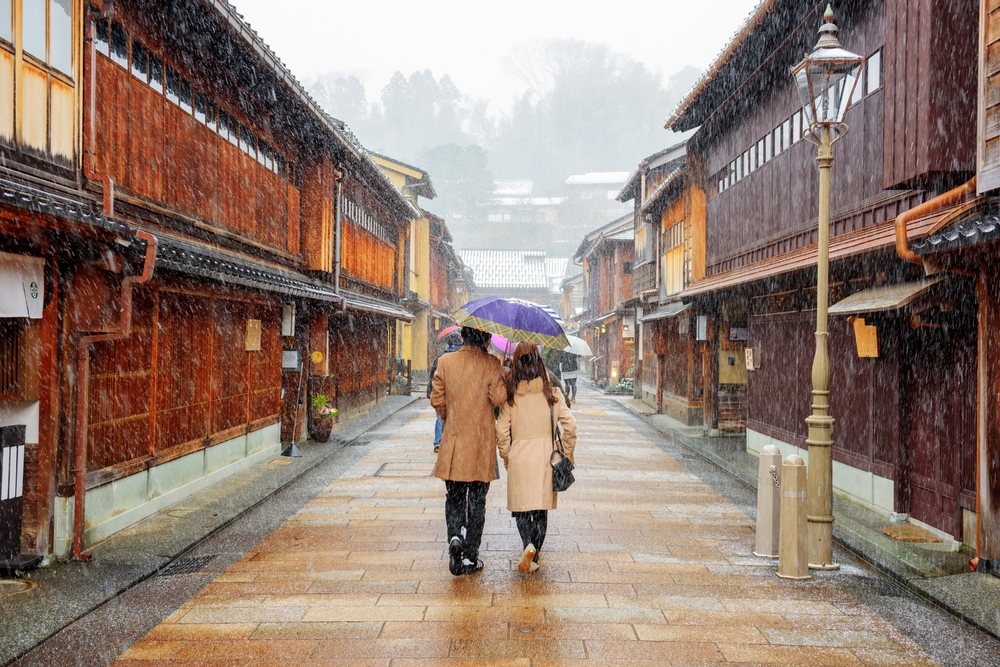
Higashi Chaya District, Kanazawa’s geisha district – Photo Credit: Sean Pavone
Traveling Beyond the Golden Route
Ten years ago, most trips to Japan followed a fairly similar path: the famous “Golden Route” of Tokyo, Kyoto, and Osaka, sometimes with a few nearby stops like Nara or Hakone. And while those iconic destinations are still at the heart of many itineraries today, something interesting has started to shift.
More and more travelers are now going beyond those classic routes. Whether it’s returning visitors looking for something new, or first-time travelers wanting a more unique experience, there’s growing interest in exploring different parts of Japan. Places like Kanazawa, Hokkaido, Kyushu, and smaller regional towns are becoming more visible and more visited.
At the same time, Japan has been actively encouraging this change, promoting regional travel to help balance tourism across the country. So it’s not that the classics have lost their appeal, but that Japan is opening up in new ways. And honestly? Some of the most memorable experiences now happen when you step just a little off the usual path.
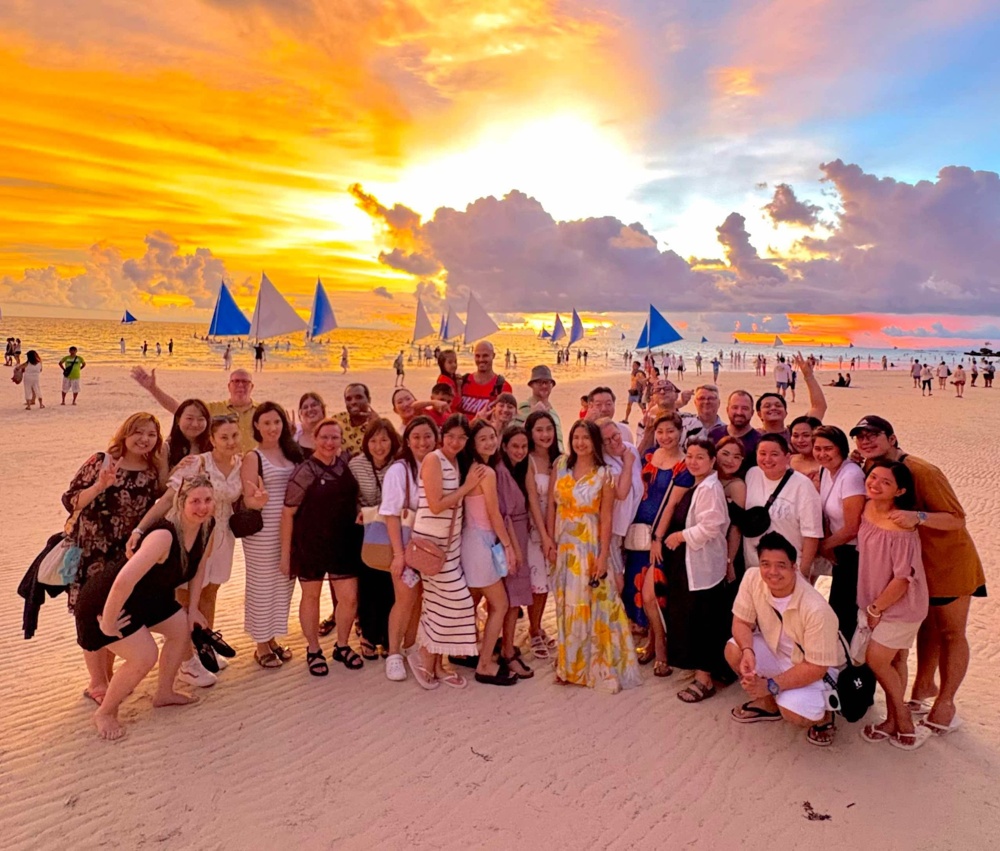
Arigato Travel Team – Photo Credit: Arigato Travel
Tours Have Changed Too
Tours in Japan have also evolved in a really meaningful way over the past decade. Ten years ago, many tours focused on ticking off major landmarks: quick visits, big groups, and a more “see as much as possible” approach. But today, there’s a clear shift toward smaller, more personal, and experience-driven tours.
Travelers are no longer just looking to see Japan. They want to understand it, taste it, and connect with it. That’s why food tours, cultural workshops, and neighborhood walks have become so popular. Instead of rushing from place to place, people are slowing down, meeting locals, and hearing the stories behind what they’re experiencing.
At Arigato Travel, this is exactly the kind of travel we’ve been passionate about from the very beginning. From our food tours, where you can explore Japan one bite at a time, to our tailored travel experiences designed around each guest, we’ve seen how much deeper a journey can become when it’s personal. And for us, that’s what travel in Japan has always been about.
Looking back, it’s amazing to see how much traveling in Japan has evolved over the past decade, more accessible, more connected, and more diverse than ever before. And yet, the heart of what makes Japan special hasn’t changed at all.
As we celebrate 10 years at Arigato Travel, we simply want to say thank you. Thank you to everyone who has traveled with us, supported us, and shared in this journey. We’re so grateful to be part of your experiences in Japan, and we can’t wait to keep exploring together.
Arigato Gozaimasu!!
Featured Photo Credit: Jo Panuwat D
Celebrate 10 Years of Arigato Travel with us by joining our local guides for a food tour or contacting our expert travel specialists to craft your perfect Japan itinerary!
PIN THIS FOR LATER
Book your pocket wifi now to stay connected through your entire Japan Journey!

Be sure to get the JR Pass to make navigating Japan during your trip that much easier!
YOU MIGHT ALSO LIKE