Atami’s Seaside Sweets: A Conversation with Katsmats from Wagashi Kitchen
Sep 30, 2026
BY Kristian Robinson
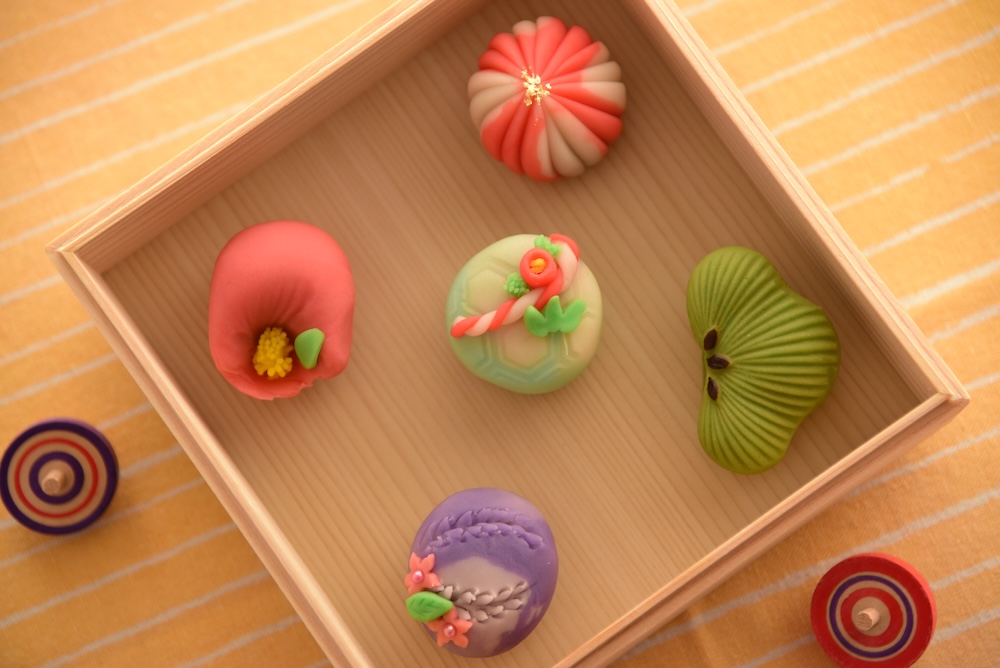
If you’re traveling along the Tokaido Shinkansen, a delicious detour awaits in the seaside town of Atami. Here, long-time resident Kathy Matsunami (Katsmats) opens her private studio, Wagashi Kitchen, to share the intricate art of wagashi. With over 20 years of life in Japan, she offers more than just recipes; she shares the local knowledge and techniques that give these sweets their distinct charm. These hands-on classes focus on the delicate design of seasonal wagashi and nerikiri, traditional sweets often enjoyed with matcha. Whether you’re a beginner or a culinary connoisseur, you will find a friendly space to create, taste, and explore Japanese culture through its edible traditions.
Let’s explore the art of edible design as we talk with Kathy about her seasonal workshops and the unique charm of the Atami coast.
Hi Kathy, could you please tell us a bit about yourself, along with a brief introduction to your experience at Wagashi Kitchen?
I am originally from the East Coast of the United States and have been living in Japan for many years. I lived and worked in the Tokyo area, but about ten years ago I began spending more time in Atami to enjoy its seaside atmosphere and convenient access to many beautiful sightseeing destinations.
Wagashi Kitchen is a natural extension of my passion for food. I enjoy exploring the overlap between Western-style and Japanese desserts, whether it is using sweet bean paste instead of fruit jam in a cake or pairing traditional flavors like yuzu with white chocolate to create a delicate mousse.
Wagashi, especially nerikiri, has become increasingly popular, especially among Japanese women, and it has been fun to connect with like-minded people to learn from one another and share techniques.
What first inspired you to expand beyond teaching Western desserts to Japanese students to sharing the traditional art of wagashi and nerikiri with outside visitors?
I enjoy spending time in the kitchen and making sweets, and I have always appreciated Japanese sweets. I initially felt intimidated because I was not familiar with the ingredients or techniques. However, I was determined to learn so I studied with various schools and instructors. Since there are not many classes available in English for visitors, I decided to start Wagashi Kitchen to introduce traditional Japanese sweets to guests and offer them a glimpse into this unique cultural practice.
Because most visitors have limited time during their trips, I designed classes that fit into a busy schedule while still providing a meaningful and memorable experience.
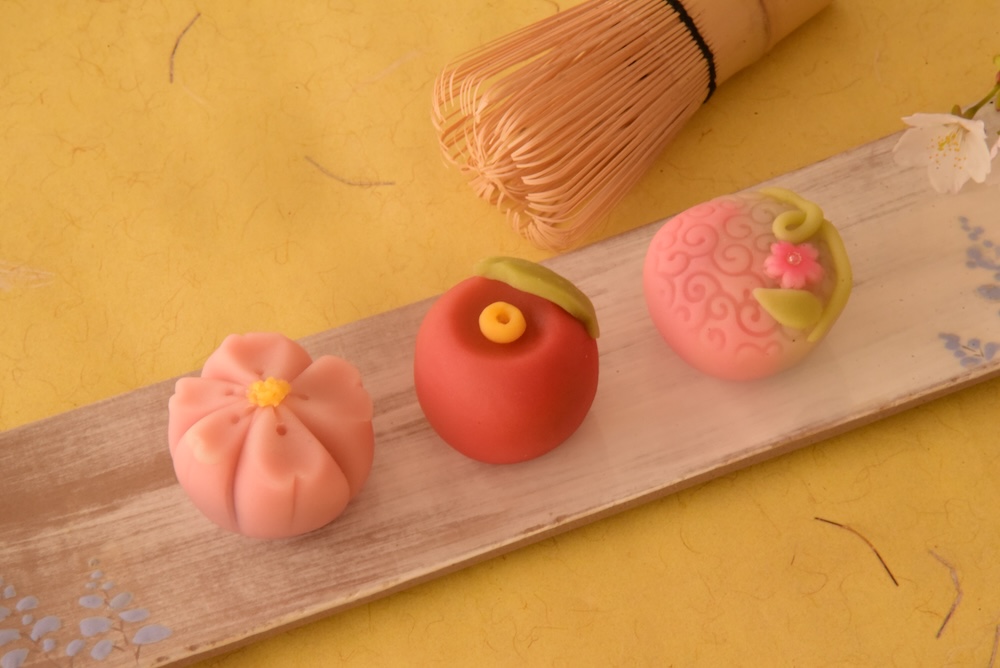
Delicate spring nerikiri – Photo Credit: Wagashi Kitchen
For those who might be unfamiliar, what exactly are wagashi and nerikiri, and why are they so significant in Japanese tea culture?
Wagashi are traditional Japanese sweets that are often served with tea, especially in the Japanese tea ceremony. They are typically made from natural ingredients such as sweetened bean paste, rice flour, and seasonal fruits, and are designed to reflect the seasons in both flavor and design. Many types of wagashi are naturally gluten-free because they are made with rice flour and bean paste rather than wheat. This makes them a good option for those with gluten allergies.
Nerikiri is a type of wagashi made from white bean paste and glutinous rice flour. It is highly decorative and eye-catching, and shaped by hand into delicate forms like flowers, leaves, or other seasonal motifs. Because of its artistic quality, nerikiri is considered one of the most refined types of wagashi.
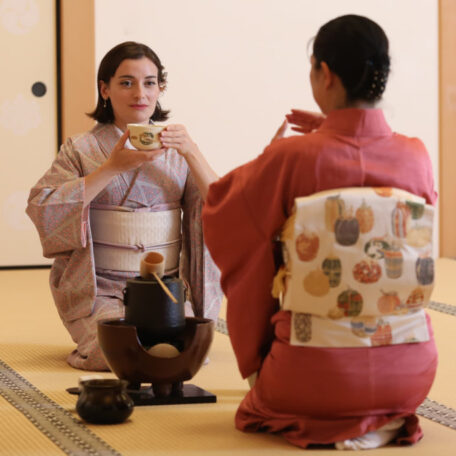
Wagashi are significant in tea culture because they are served before drinking matcha to balance its bitterness. At the same time, their seasonal designs and craftsmanship enhance the overall aesthetic experience of the tea ceremony, emphasizing harmony and appreciation of nature.
You have settled in the beautiful seaside town of Atami. What made you decide on this particular location to hold your workshop?
I have been visiting Atami for over ten years and was originally attracted by its cozy atmosphere and beautiful seaside setting. Traditionally, it has been a popular destination for Japanese travelers, especially before overseas travel became popular.
In recent years, more international visitors have discovered the charm of Atami, thanks in part to its convenient location along the Tokaido Shinkansen route, which offers quick and easy access from Tokyo, Nagoya, and Osaka.
Atami also serves as an excellent base for exploring nearby destinations, including the scenic Izu Peninsula and the popular hot spring area of Hakone.
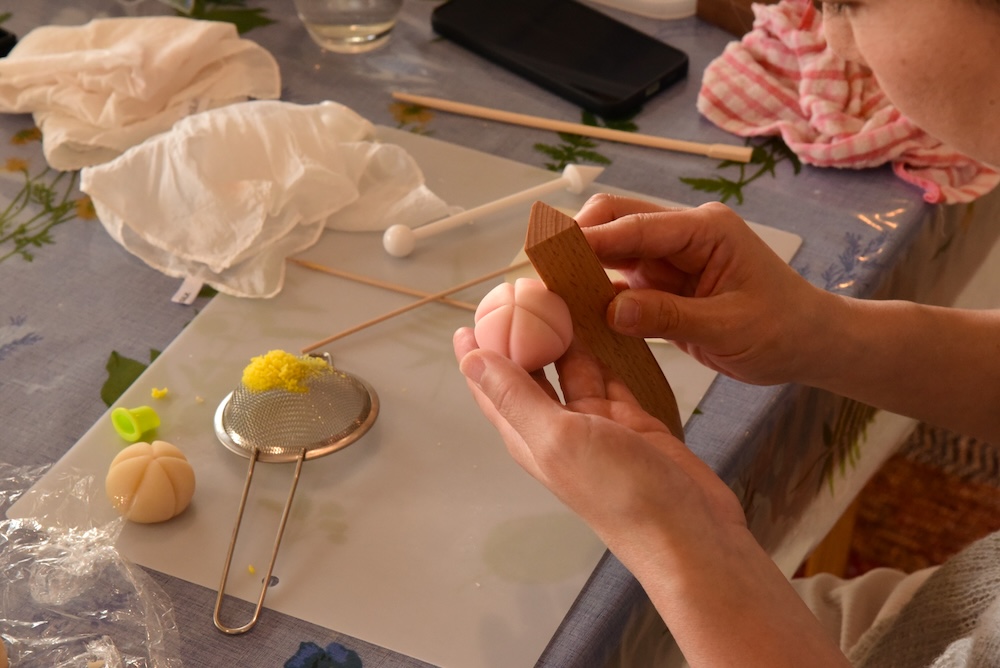
Crafting wagashi using a traditional tool – Photo Credit: Wagashi Kitchen
Could you walk us through the courses you offer? We would also love to know the step-by-step process from the moment a guest arrives at the Wagashi Kitchen studio.
Before jumping into the hands-on portion, we start with a brief introduction to the different types of wagashi and how this tradition came to Japan from other parts of Asia before developing a unique style in Japan. We also look at the traditional tools used in wagashi-making.
Since nerikiri are among the most beautiful and Instagram-worthy varieties, we will create several pieces together using a variety of techniques. Finally, we will enjoy the wagashi with a bowl of matcha tea.
Since the recipes are seasonal, do you have a personal favorite time of year for wagashi designs, and what makes those specific ingredients or shapes so enjoyable to work with?
I grew up with four seasons, so I always look forward to a change every few months. Each season brings its own unique flavors and designs.
Wagashi includes a wide variety of confections, from chilled jelly-like treats to warm steamed sweets and even baked items. There is something for everyone to enjoy each season.
On hot summer days, light, refreshing agar-based sweets (agar is a natural ingredient with similar qualities to gelatin) with seasonal fruits offer a perfect way to cool down. As autumn arrives, richer flavors and motifs, such as pumpkin and chestnuts, begin to appear. There is a wide variety of wagashi that reflects the seasons and traditional holidays. Wagashi also continues to evolve, with each generation introducing new ideas and techniques.
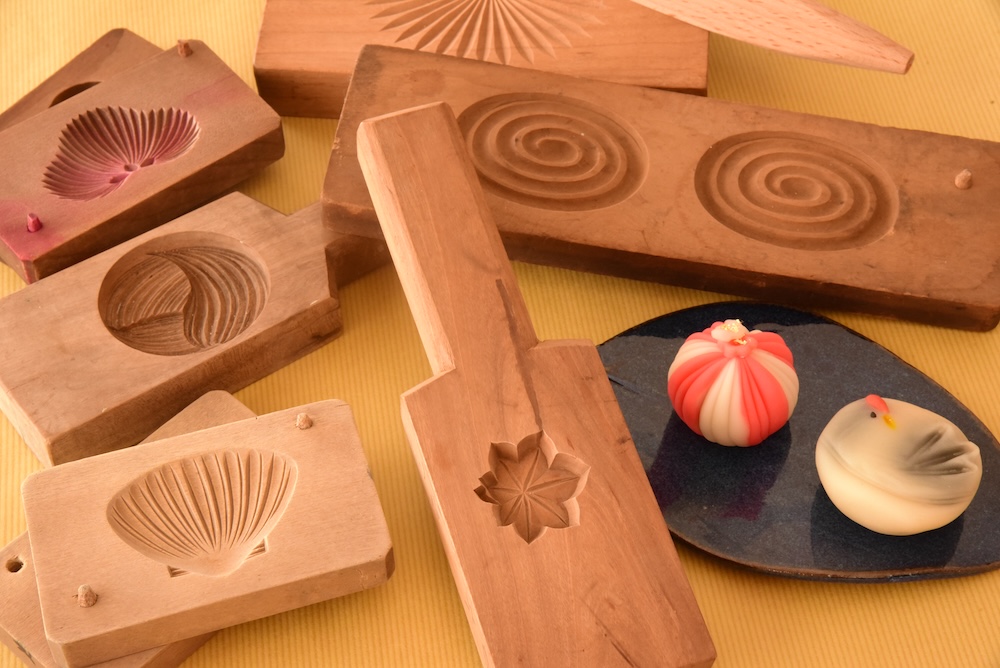
Antique wooden molds for wagashi – Photo Credit: Wagashi Kitchen
For families traveling with children, are there any age requirements, and do you adapt the experience to make it fun and accessible for younger creators?
Younger children may not have the dexterity to craft detailed wagashi, but there are plenty of alternatives suited to smaller hands. I also keep a variety of snacks and drinks available for younger guests in case matcha doesn’t suit their taste.
Atami is famous for its hot springs and shrines. What is your personal recommendation for a “perfect day” in town before or after one of your classes?
Atami offers a wide range of fun activities. Known for its hot springs, the town has many day-use onsen where you can experience the baths without staying overnight. Fuua Onsen is a particularly luxurious option, complete with restaurants and shops. Atami is also known for its fireworks displays, which are held throughout the year.
For a cultural experience, the MOA Museum of Art is a must-see. Perched on a hill, it offers stunning views of Atami city and the Izu Peninsula coastline. The exhibitions rotate periodically, so there is always something new to discover.
About a 30-minute boat ride from Atami, Hatsushima Island provides a different kind of getaway, with outdoor sports, glamping experiences, and even a luxury hotel. The scenic boat trip alone makes the trip worthwhile.
With so many things to see and do, it’s difficult to fit everything into a single day trip.

A panoramic view of Atami – Photo Credit: Wagashi Kitchen
If there is one thing you hope your guests take away from the experience besides a set of wagashi, what would it be?
Many travelers, especially repeat visitors to Japan, are looking for more authentic experiences beyond the major cities; a wagashi experience in Atami is an ideal fit. The city is conveniently located, making it easy to include in most travel itineraries.
I hope guests leave with a deeper appreciation for the artistry and cultural meaning behind wagashi. Beyond simply making sweets, it’s about understanding the attention to detail and the connection to the seasons. Ideally, they also leave feeling inspired, whether to try making wagashi again, explore more of Japanese culture, or carry a memorable experience from their time in Japan.
Finally, is there anything else you would like to share with our readers?
I would encourage visitors to venture beyond the usual tourist route and try something a little different during their trip. Wagashi is a fun, hands-on way to experience Japanese culture, and no prior experience is needed to enjoy it. I aim to create a relaxed and welcoming atmosphere where guests can take their time, be creative, and have fun. I hope it becomes one of those special memories they take home from Japan.”
Thank you, Kathy, for sharing your story and your craft with us. Your workshops provide a wonderful way for visitors to engage with the truly unique Japanese tradition of wagashi making. Thank you for giving our readers such an authentic look at the creativity that defines your work.
If you are planning a trip through the Shizuoka area, we highly recommend booking a class with Wagashi Kitchen to try your hand at these beautiful traditions yourself.
Read more about Wagashi Kitchen on:
Website: https://wagashikitchen.my.canva.site/
Instagram: https://www.instagram.com/katsmats/
Facebook: https://www.facebook.com/kathy.matsunami/
Featured Photo Credit: Wagashi Kitchen
If you are planning a trip through Shizuoka and want to discover the best sights, tea fields, and coastal spots in the region, check out our Suruga multi-day itineraries and travel planning.
Book your pocket wifi now to stay connected through your entire Japan Journey!

Be sure to get the JR Pass to make navigating Japan during your trip that much easier!
YOU MIGHT ALSO LIKE