Mindful Travel: 10 Ideas to Experience Japan Without Your Phone
Aug 4, 2026
BY Chuan En Gwee
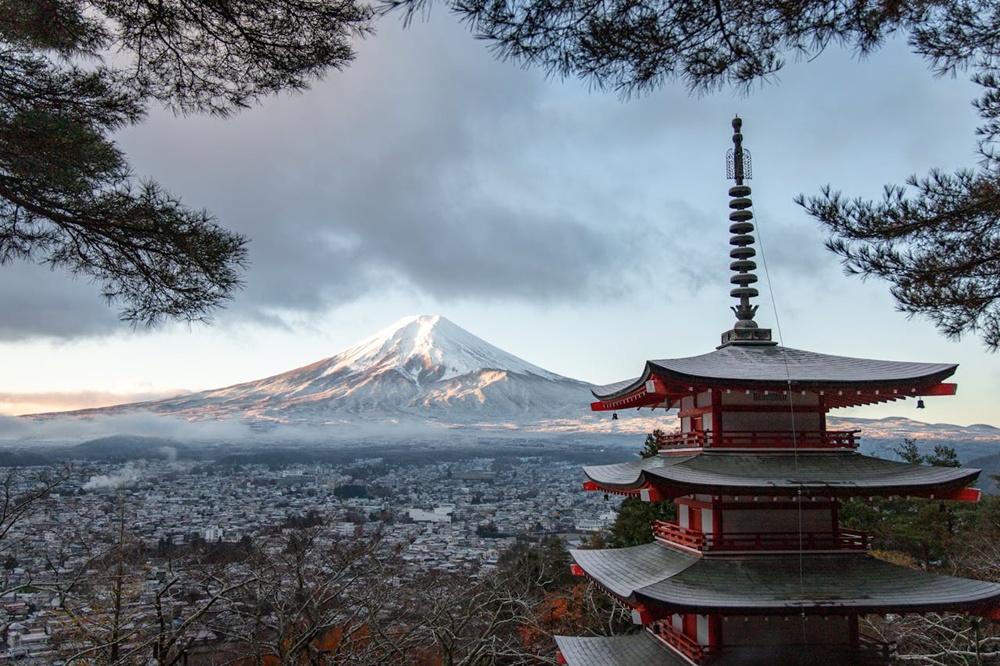
In an increasingly connected world, a quiet revolution is taking place on the road: the movement toward anti-digital and mindful travel. As time goes on, more and more people are looking for ways to genuinely disconnect from their screens and digital distractions so they can forge a deeper, more meaningful connection with the places they visit. Japan, with its blend of tradition, quiet beauty, and stunning landscapes, is the perfect destination for this kind of slowed-down, attentive journey. If you want to slow down and experience Japan more fully, here are 10 simple but profound ideas to enjoy Japan without your phone!
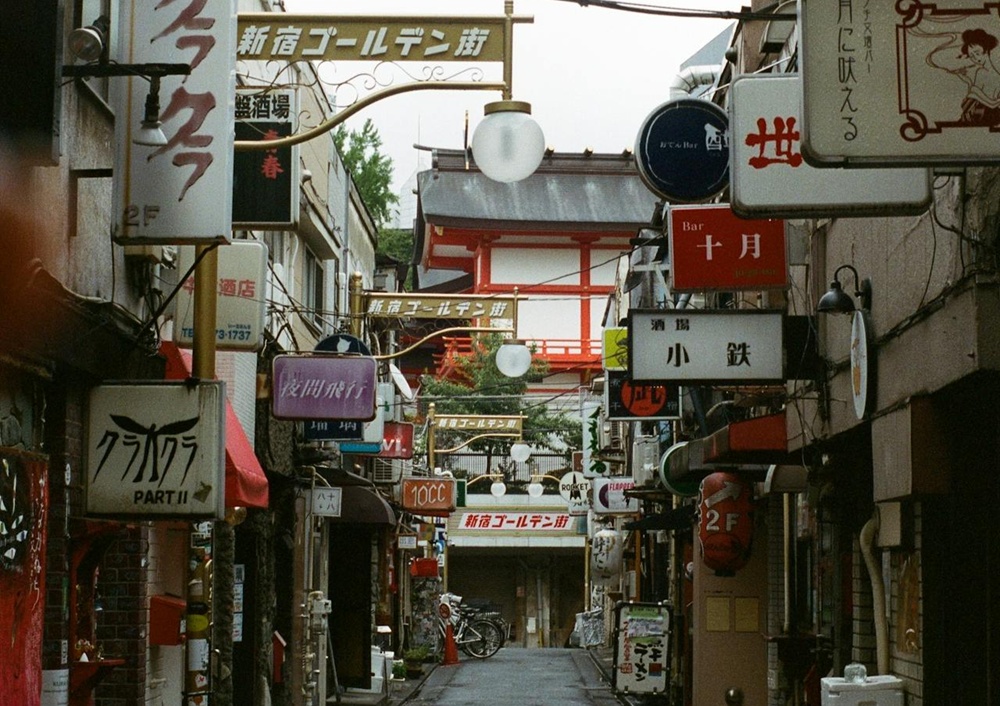
Japanese Local Street – Photo Credit: Natalie Voitovich
Get Pleasantly Lost in a Neighborhood
One of the best ways to experience Japan mindfully is to explore on foot without following directions on a screen. Japan is full of neighborhoods that reward wandering. In Tokyo, areas like Yanaka, Kagurazaka, Koenji, or Shimokitazawa are full of side streets, local shops, cafes, and little surprises. In Kyoto, stepping away from the main tourist routes can lead you to quiet lanes, traditional houses, and tiny shrines tucked between homes. In Osaka, disappear away from busy Dotonbori and venture down an old shopping street to find a Showa-era kissaten or a retro video game arcade.
When you are not focused on directions, you start noticing the tiny details: handwritten signs, bicycles outside family-run stores, seasonal flowers in front gardens, and the overall rhythm of local life. Sometimes getting a little lost is all that’s needed to discover not only the city but even yourself. The only thing you need to do is to hit the power button on your phone.
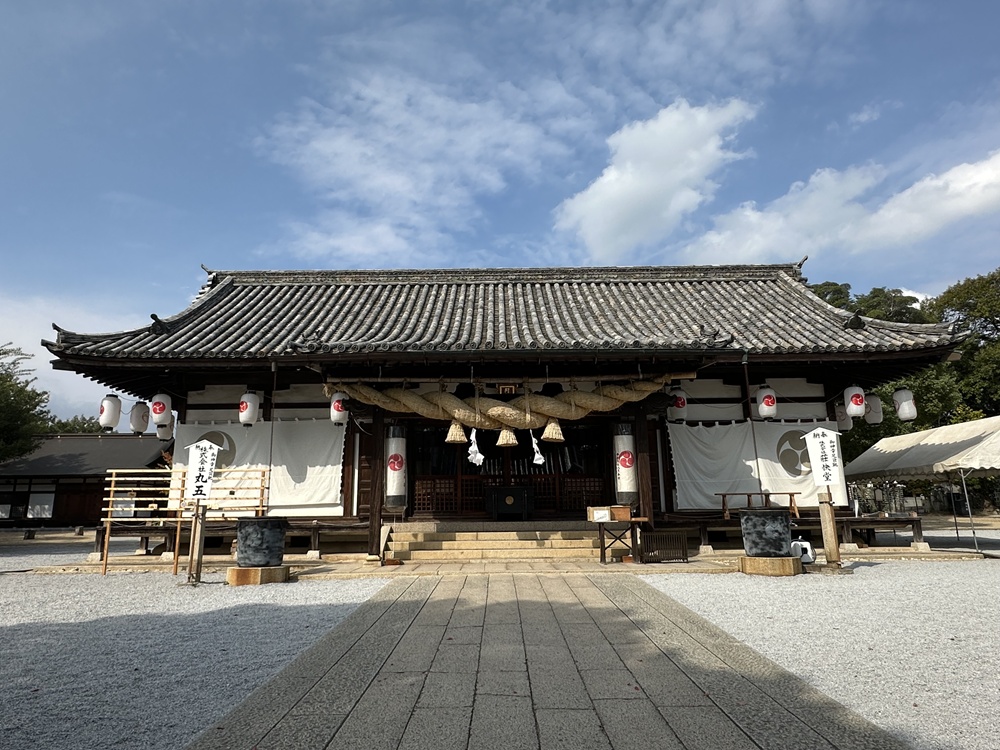
Achi Shrine in Kurashiki, Okayama – Photo Credit: Chuan En Gwee
Visit a Shrine or Temple Without Taking Photos
Shrines and temples offer a rare chance to pause. Rather than rushing in for a photo and moving on, take your time and observe what is happening around you. You can listen to the crunch of gravel under your feet and notice the scent of incense. Watch how locals purify their hands, ring the bell, or offer a prayer. It becomes a moment of quiet reflection, connecting you to centuries of tradition rather than a fleeting digital moment.
Whether you are at a famous shrine like Meiji Jingu in Tokyo or a small neighborhood temple with no crowds at all, the experience feels very different when you are fully present. It stops feeling like a sightseeing stop and becomes an experience. Japan makes it easy to remember that travel doesn’t always have to be hurried or experienced through a screen.
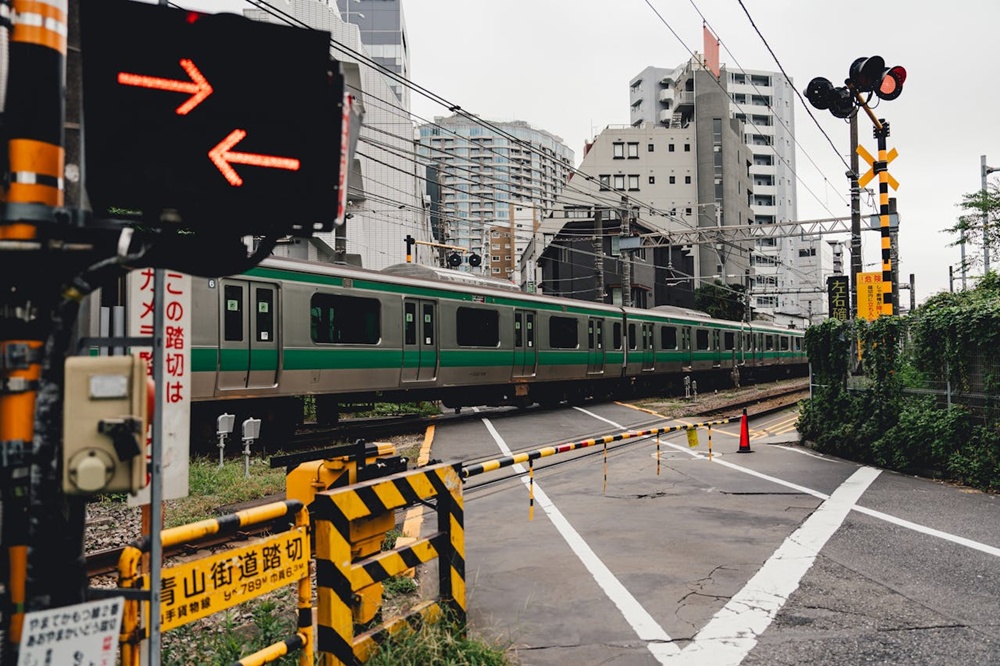
Japanese Train Crossing at Aoyama – Photo Credit: G N
Take the Train and Look out the Window
Japan is home to more than 200 train lines and nearly 28,000 km of passenger railway tracks. Japanese trains are also quiet, efficient, and surprisingly calming. The gentle rhythm of the rails offers a unique opportunity to simply be. Just put your electronics in your bag and look out the window instead! There is a profound beauty in letting the landscape come to you, perfectly framed by the train car.
In cities, you’ll see everyday life unfolding stop by stop. On longer routes, the scenery becomes part of the journey: rice fields, mountain towns, coastlines, and clusters of tiled rooftops. Even a short local ride can be very memorable when you are watching instead of scrolling. If you put your phone away for your journey, you might find the ride itself becomes one of your favorite memories.
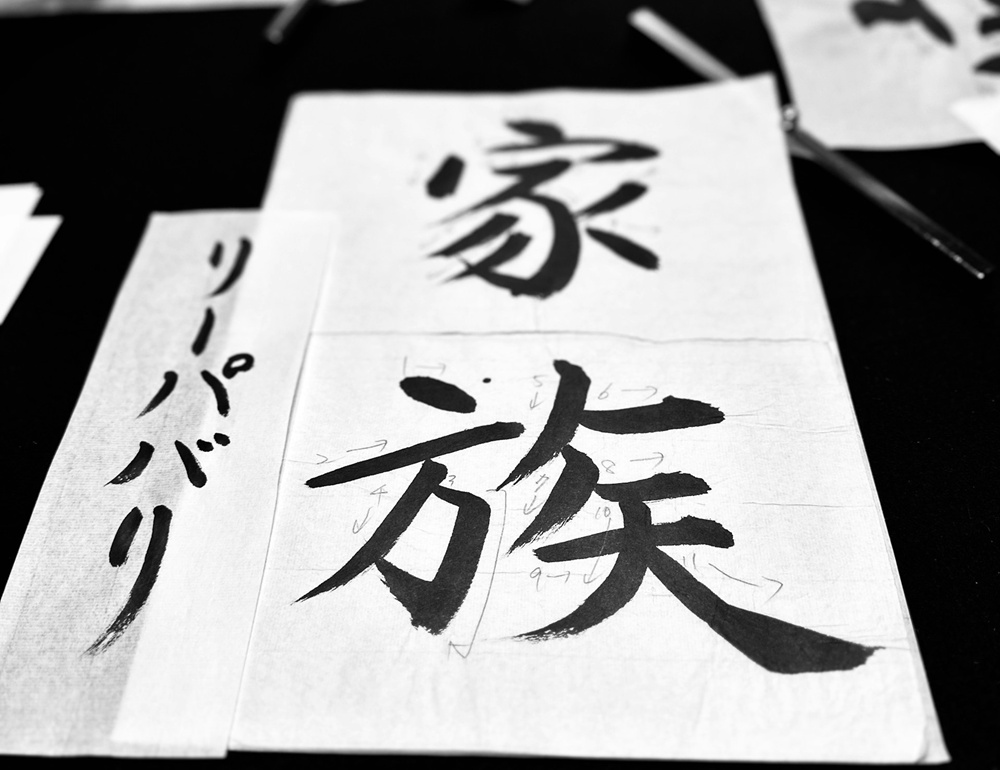
Japanese Calligraphy Workshop – Photo Credit: Deepavali Gaind
Try a Hands-On Cultural Experience
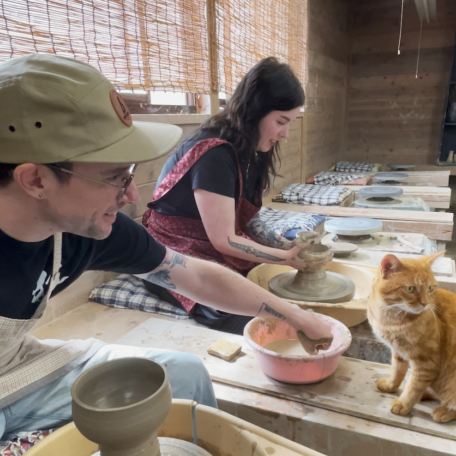
Japan offers many experiences that naturally pull you away from your screen because your hands and mind are already busy. Try a tea ceremony and a wagashi-making workshop, calligraphy class, pottery lesson, taiko drumming session, or even an incense-related experience. These activities encourage concentration and patience, and they often leave you with a stronger impression than anything you could have scrolled through online.
Rather than merely observing Japanese culture, you get to participate in it, creating memories that stay with you more deeply and for longer. And if you have no idea where to start your search, don’t worry; our friendly team of travel specialists is always happy to assist you in finding the best and most enriching cultural experiences for your needs!
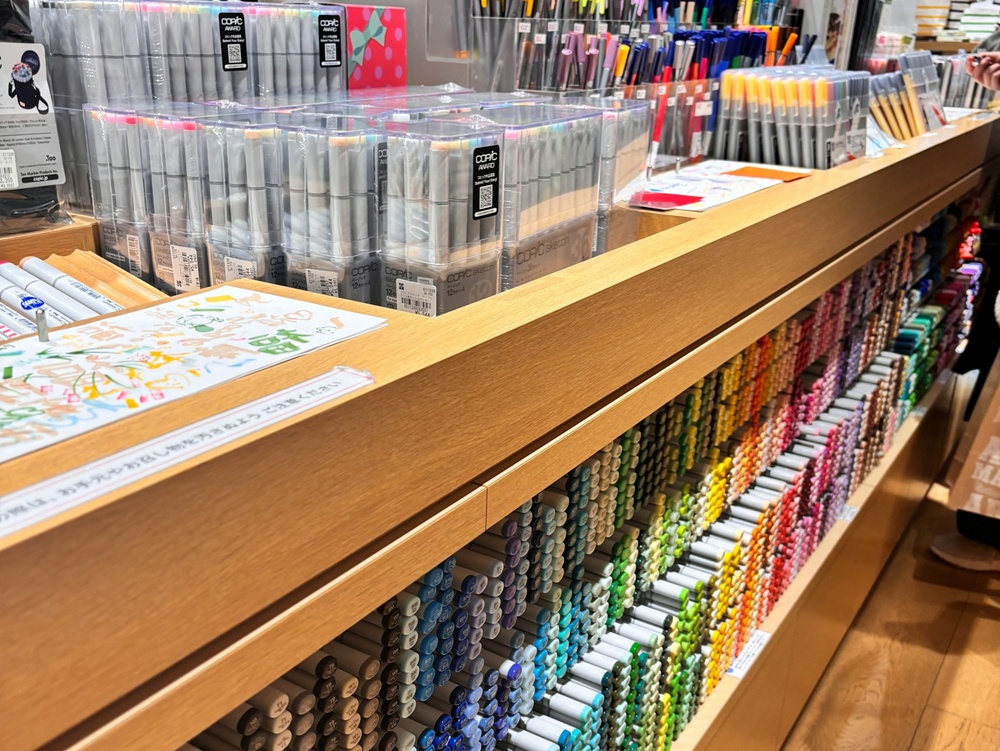
Japanese Copic Markers on Display – Photo Credit: Olivia Harvey
Browse Slowly in a Stationery Shop or Bookstore
Japan is famous for its craftsmanship, unique designs, and attention to detail, and nowhere is that more obvious than in its bookstores and stationery shops. You don’t have to be stationary in the stationery shop. Take your time to browse beautiful notebooks, fountain pens, washi tape, postcards, art books, magazines, and other paper goods. Visit a large multi-floor store (Loft, Itoya, Hands, Sekaido), a niche specialist store (Traveler’s Factory, Kakimori, DELFONICS), or a small independent shop and let yourself look without rushing.
Check out Japan’s unique and revolutionary KOKUYO Campus Notebook, which uses a proprietary “wireless” glue binding technique. This allows the notebook to lie completely flat when opened, making the middle sections more comfortable to write in. Even if you do not buy much, you leave with a stronger sense of Japanese design culture and everyday beauty. And if you do buy some writing materials, you can use them for the next thing on our list!
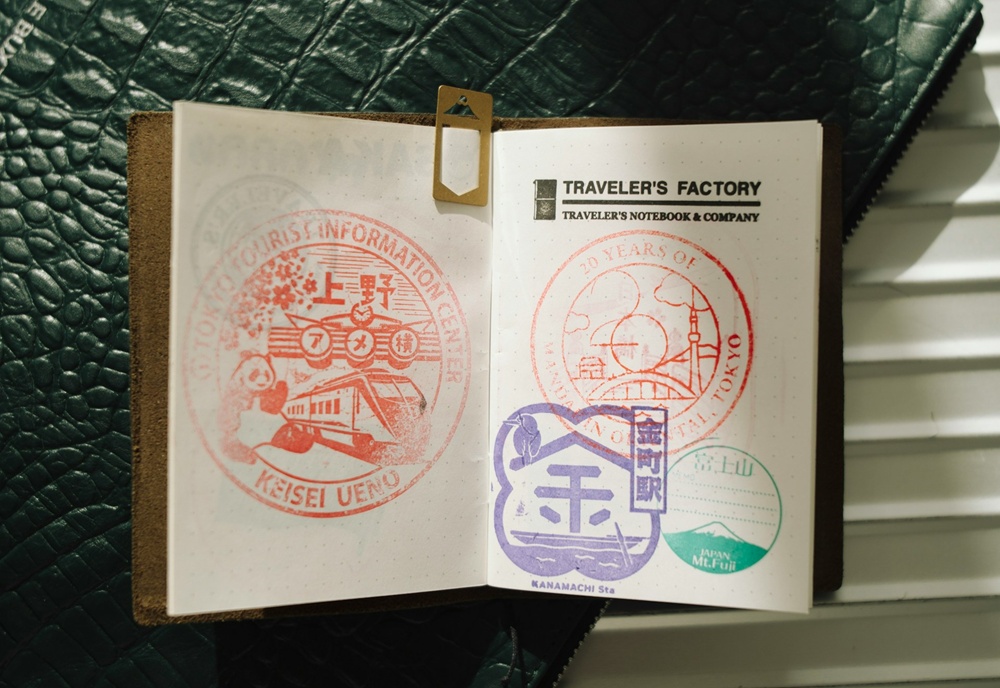
Notebook with Commemorative Stamps – Photo Credit: Jonathan Ikemura
Keep a Small Paper Journal
If you want to remember your trip without documenting every moment digitally, use a notebook! You can write down whatever left an impression on you: the name of a shop or neighbourhood you loved, a phrase you learned, or a memorable snack or meal. When you look back, these handwritten details will transport you instantly back to that moment.
Even a tiny observation that struck a chord can become a meaningful part of your memories, such as that single maple leaf in the middle of the pond, the sound of cicadas outside a temple, or even the pre-school children in their yellow bucket hats following their teacher whilst looking like ducks in a row. You can also use your notebook to collect commemorative stamps with unique designs available at stations, museums, attractions, and visitor centers across the country.
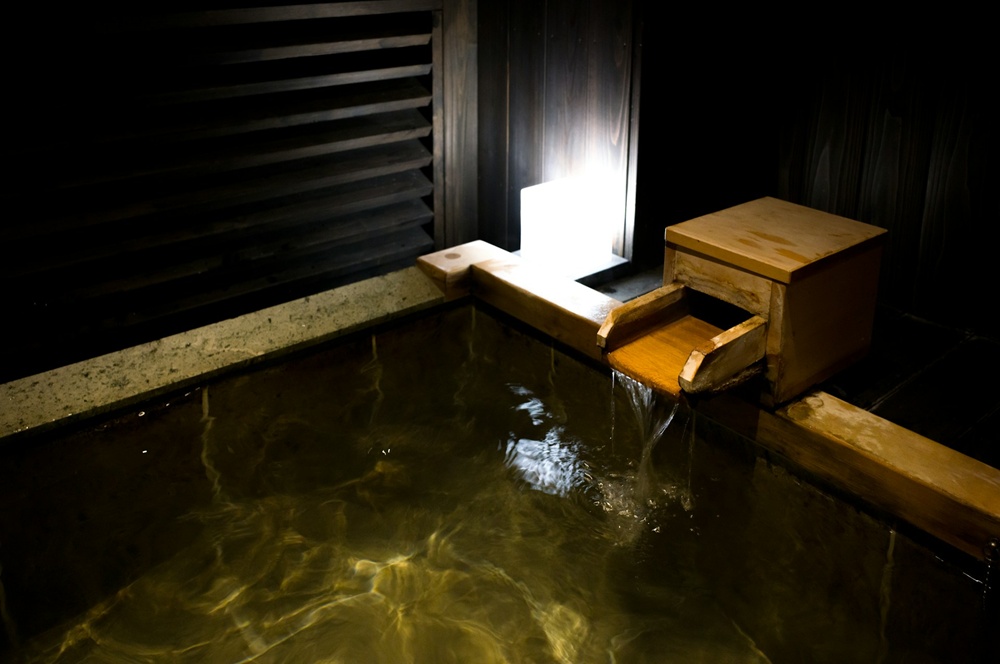
Private Onsen Tub – Photo Credit: Wren Chai
Soak in an Onsen and Fully Unwind
An onsen is one of the easiest places to disconnect properly because the experience itself encourages you to leave devices behind and unplug. Whether you visit a countryside hot spring town, a beautiful ryokan, or a local bathhouse (aka sento), soaking in hot mineral water creates a natural pause in your day that’s not just relaxing but also refreshing for both your mind and body.
You slow down, relax, and become more aware of your surroundings, including the steam, the stone, the open-air bath, the sound of water, and the mountain air. In a busy itinerary, an onsen can be the moment that resets everything. Beyond just a mental reset, the mineral-rich waters provide numerous health benefits for your body, from improving circulation and easing muscle pain to nourishing your skin.
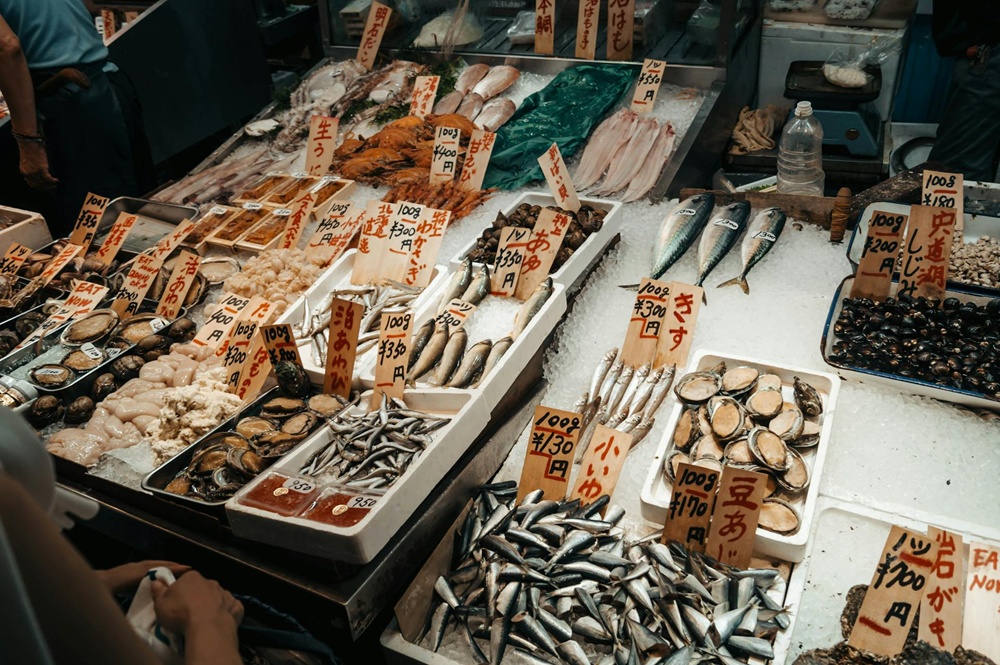
Seafood Market Display – Photo Credit: MB Productions
Explore a Local Market with No Agenda
Engage your five senses by visiting a lively morning market, neighbourhood shotengai (traditional Japanese shopping street) filled with family-run shops, or a local food market, and wander slowly without looking anything up. Follow your curiosity by noticing what locals are choosing or queuing for, trying something unfamiliar, and letting the experience be guided by your senses rather than your screen.
Let your focus shift to spontaneity and the on-the-ground experience rather than checking online reviews. Without your phone guiding each step, the experience feels more freeing, more local, and often more memorable. These unscripted encounters are the ones that anchor themselves most firmly in your memory, becoming the true souvenirs of your journey.
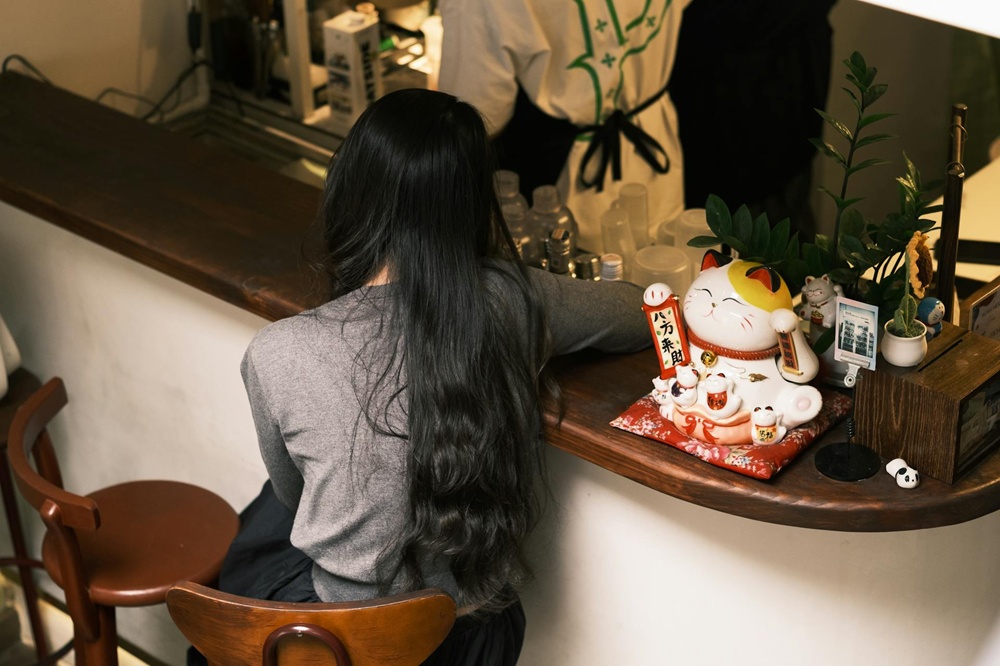
Lady Sitting at A Counter – Photo Credit: Thinh Phan Quoc
Sit at the Counter for a Meal
Counter seating is one of the easiest ways to turn a meal into an experience. Whether you are eating sushi, ramen, yakitori, tempura, or small dishes at an izakaya, sitting at the counter lets you watch the chef work and notice the rhythm of the restaurant. You see how carefully things are prepared, plated, and served.
Without your phone on the table, the meal becomes the event. You pay more attention to the food, the atmosphere, and the people around you. In Japan, where so much care goes into presentation and hospitality, that extra attention makes a difference. This heightened sense of presence often leads to unexpected connections, whether with the ingredients, the preparation, or the people around you.
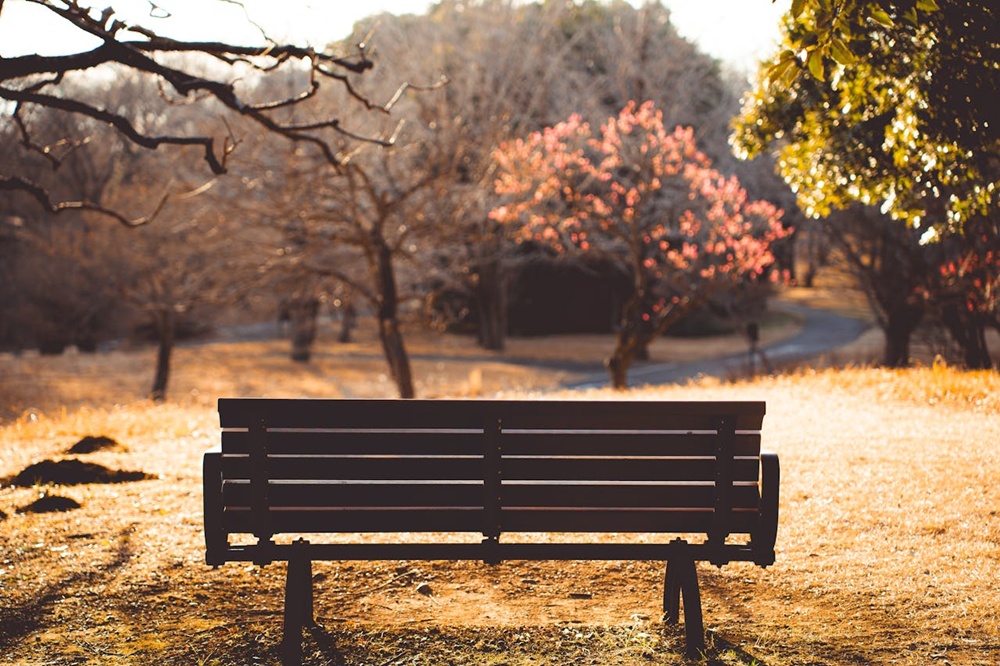
Serene Autumn Park Bench Scene in Tokyo – Photo Credit: Szymon Shields
Leave Room for an Unplanned Afternoon
Not every part of a trip needs to be optimized. In fact, one of the best ways to experience Japan without your phone is to give yourself a few hours with no strict plan at all. This intentional blank space in your schedule allows the unexpected joys of travel to naturally fill the void. Leave your hotel or accommodations, pick a direction, and just walk. Let your senses lead you.
You can people-watch in a park or a kissaten, get a curry pan from one of the neighborhood bakeries, get off at a station that looks interesting, follow that delicious aroma wafting from the side street, and so on. Anything and everything is up to you for this one unplanned afternoon. Unplanned time creates space for surprise, and that is often what makes a trip feel memorable.
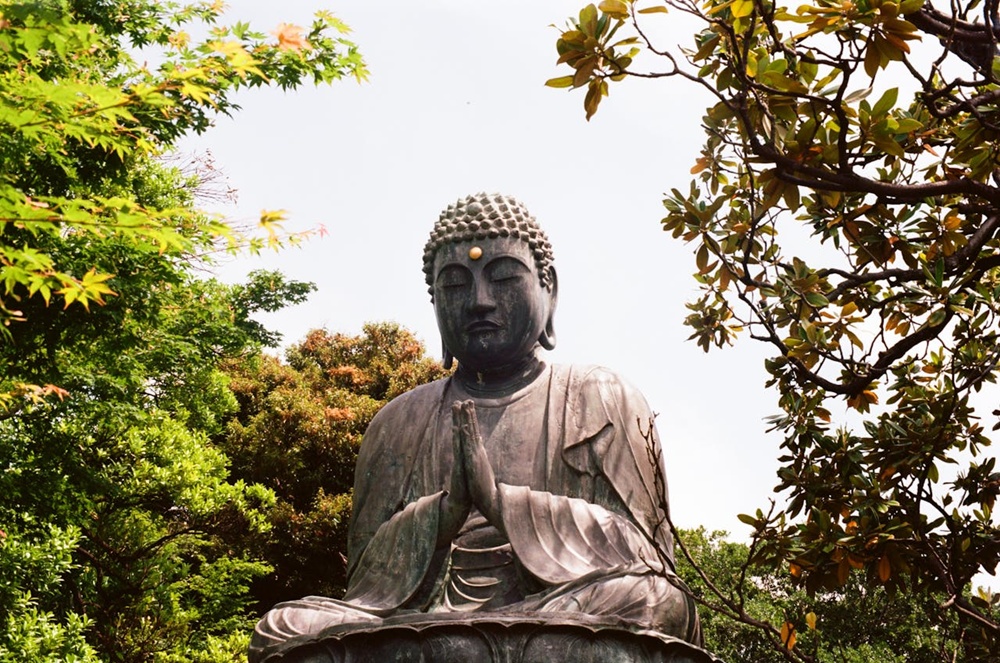
Buddha Statue – Photo Credit: Natalie Voitovich
Japan is an ideal place to travel more mindfully, not because you have to go completely offline, but because so much of its beauty reveals itself when you simply slow down and pay attention. By putting your phone away for a day, you create space to notice the small details, follow your curiosity, and connect more deeply with the places around you. In the end, experiencing Japan without your phone is not about missing out, but about being present enough to truly take it in.
Featured Photo Credit: Tomáš Malík
Let our Tailored Travel team craft you an adventure across Japan that invites you to step back, take a break from the stress of every day, and discover the beauty of this incredible country, all on your own terms!
0
shares
Book your pocket wifi now to stay connected through your entire Japan Journey!

Be sure to get the JR Pass to make navigating Japan during your trip that much easier!
YOU MIGHT ALSO LIKE