Things to Do in Satomi, Ibaraki
Mar 9, 2026
BY Brad Stephens
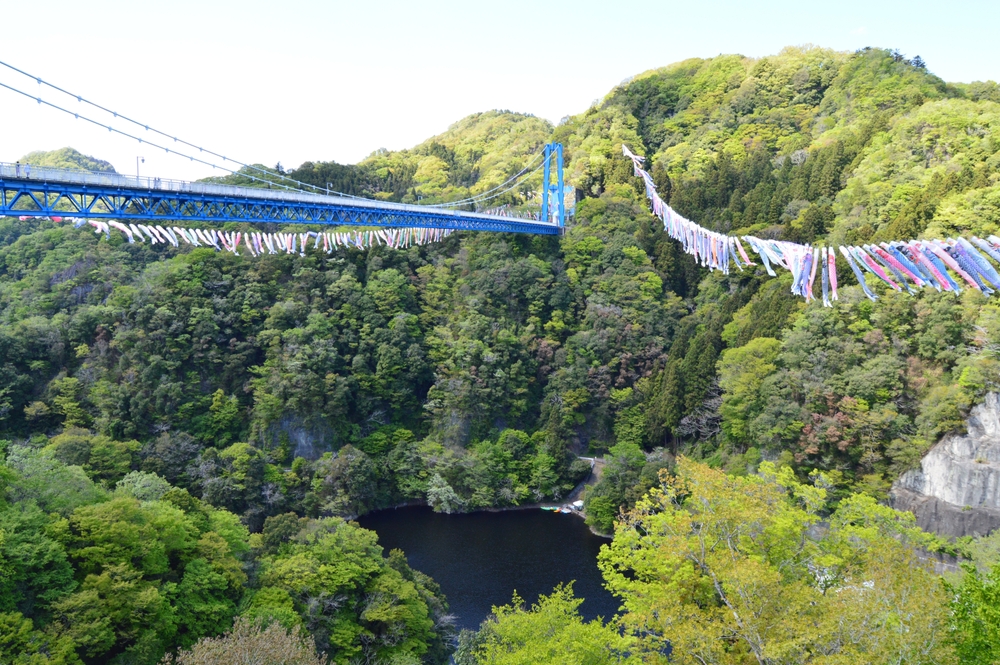
A Journey into Rural Life, Craft, and Connection
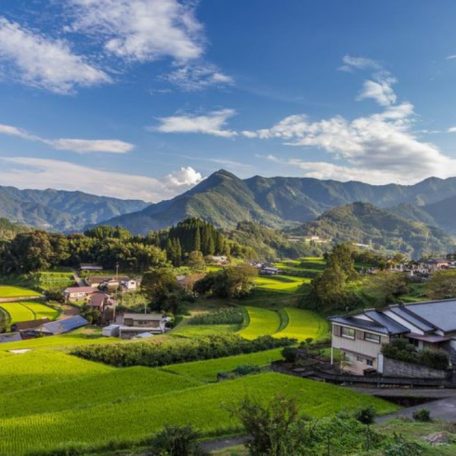
Tucked deep in the mountains of northern Ibaraki Prefecture, Satomi is a quiet rural district within Hitachiōta City that rewards travelers who are willing to slow down. Rather than famous landmarks or flashy attractions, Satomi offers something more intimate. It is a place where faith, food, craftsmanship, and nature are woven into everyday life.
Once a post town along the historic Tanagura Kaidō road, Satomi developed through forestry and trade, maintaining steady connections with the outside world. Today, longtime residents and newer arrivals coexist, creating a gentle blend of old traditions and new values. Visiting Satomi is less about sightseeing and more about meeting the people who shape the land through their daily work.
Below are some of the most meaningful things to do in Satomi, each offering insight into how this region connects past and present through lived experience.
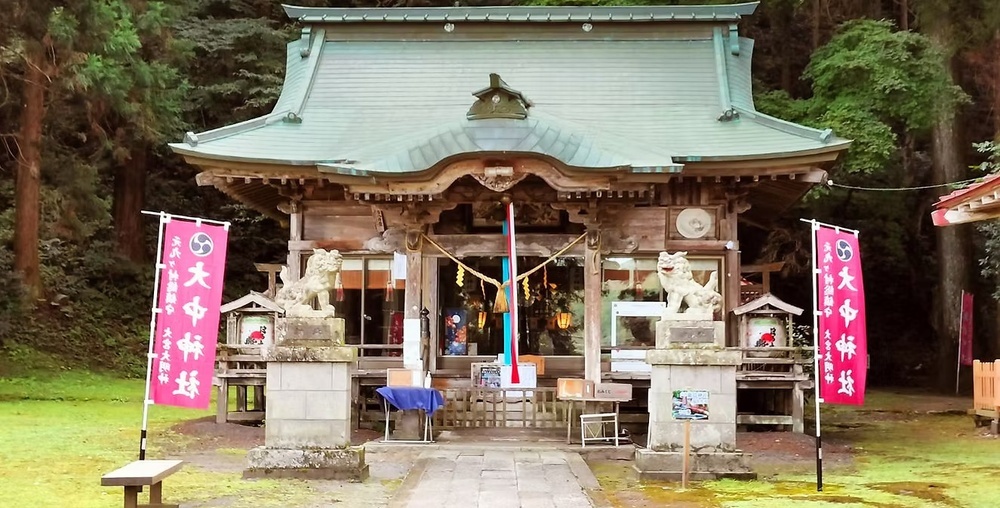
Oonaka Shrine – Photo Credit: Oonaka Shrine
Begin at Oonaka Shrine
Understanding the Spiritual Roots of Satomi
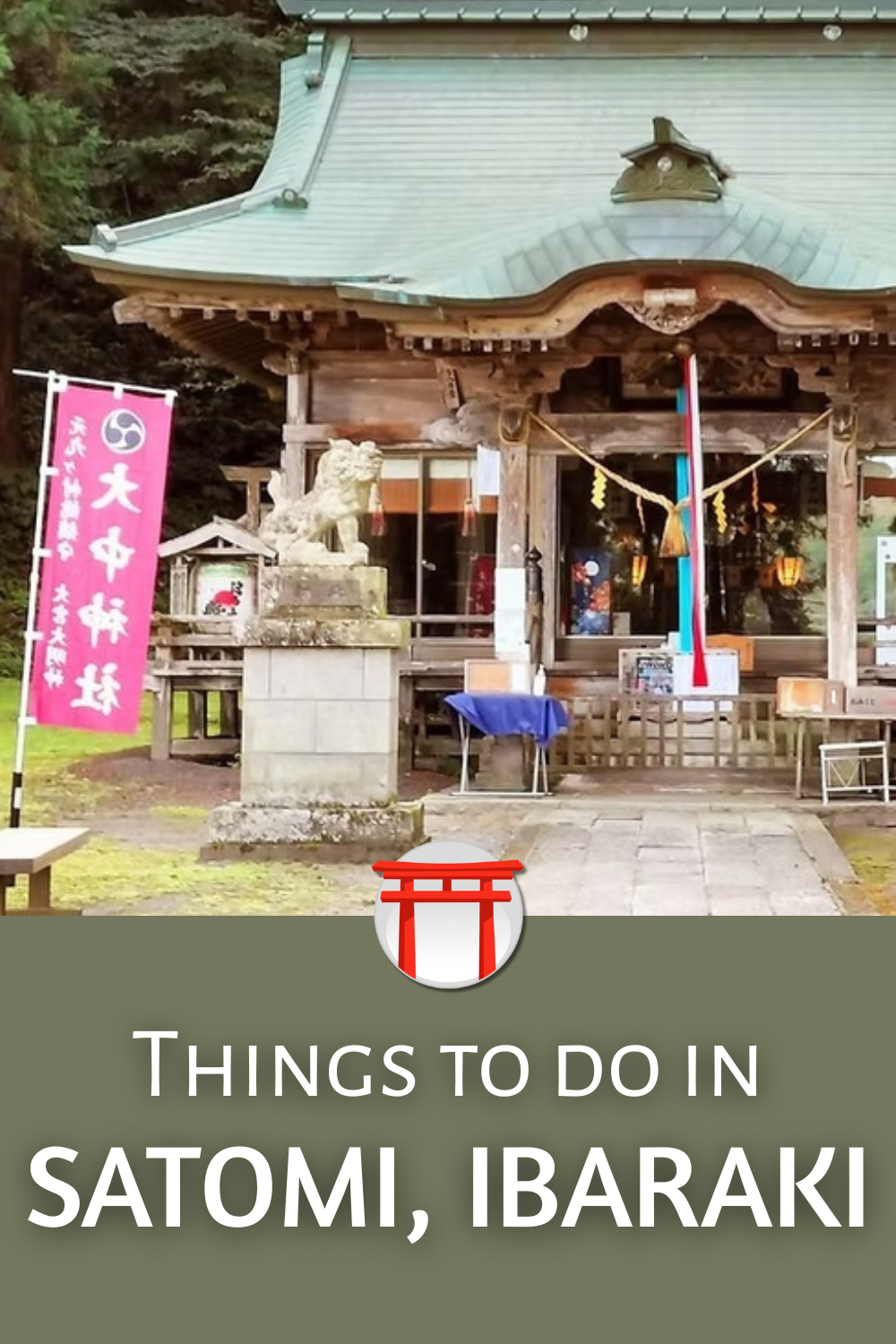
Oonaka Shrine (大中神社) serves as the spiritual heart of Satomi and an ideal place to begin exploring the area. Historically, it functioned as the guardian shrine for nine surrounding villages, watching over the community and marking important moments in local life.
Unlike large, famous shrines, Oonaka Shrine feels deeply personal. It has long been a place of prayer, gathering, and seasonal rituals tied closely to agriculture and daily living. Here, visitors can learn how Shinto belief is not separate from life, but interwoven with it.
One important concept introduced at the shrine is miki (御神酒, sacred sake), which is offered to the deities during rituals. This idea of offering and return echoes throughout Satomi and becomes especially meaningful later when visiting the local sake brewery. Even the wooden votive plaques and ritual tools reflect the region’s long relationship with forests and handicrafts.
Spending time at Oonaka Shrine provides context for everything that follows, showing how prayer, nature, and human activity form a continuous cycle.
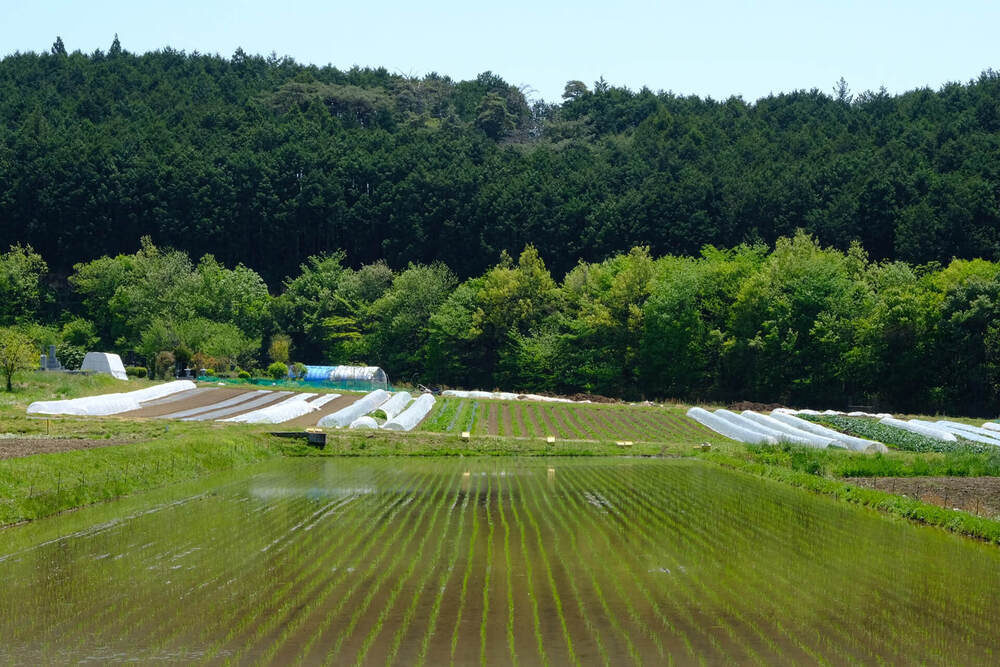
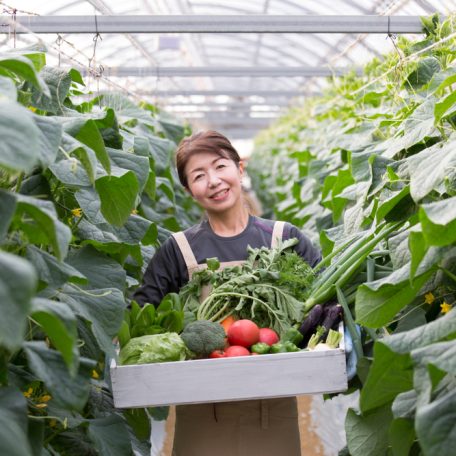
Kinosato Farm – Photo Credit: Kinosato Farm
Experience Farm-to-Table Life at Kinosato Farm
Discovering Satomi Through Food
Kinosato Farm (木の里農園) offers a hands-on way to experience Satomi’s agricultural life and seasonal rhythms. The farm focuses on organic methods that emphasize working with nature rather than controlling it. Visitors are invited to harvest vegetables, learn about soil preparation, and take part in cooking meals using freshly gathered ingredients.
This experience highlights how food in Satomi is not just sustenance but a reflection of place. Climate, soil, and seasonal change all shape what appears on the table. Farming here is rooted in the idea of being kept alive by nature, a mindset that fosters respect for the land and gratitude for its gifts.
Meals prepared at Kinosato Farm feel like a continuation of the prayers offered at the shrine. Wishes for a good harvest become shared food, turning belief into lived experience. This connection between faith, agriculture, and community is one of Satomi’s defining characteristics.

Handmade spoons from Wood Workshop SEEDS – Photo Credit: cafekoubou
Connect with the Forest at Wood Workshop SEEDS
Where Nature Becomes Craft
Surrounded by forest, Wood Workshop SEEDS (木工房SEEDS) bridges the spiritual and agricultural experiences of Satomi through craftsmanship. The workshop is run by a woodworker who settled in the area from outside and chose to build a life deeply rooted in Satomi’s forests.
Here, visitors learn how trees have long supported both daily life and belief in the region. Wood from local forests has been used for shrine architecture, farming tools, household items, and ritual objects. At SEEDS, this tradition continues through careful material selection and hands-on creation.
A highlight is the opportunity to make chopsticks using local wood, guided by explanations that engage the senses. The scent of fresh shavings, the texture of wood grain, and the quiet rhythm of hand tools all emphasize the passage of time and the patience required for craft.
SEEDS demonstrates how Satomi’s forests are not simply scenery but active participants in the region’s cultural circulation.
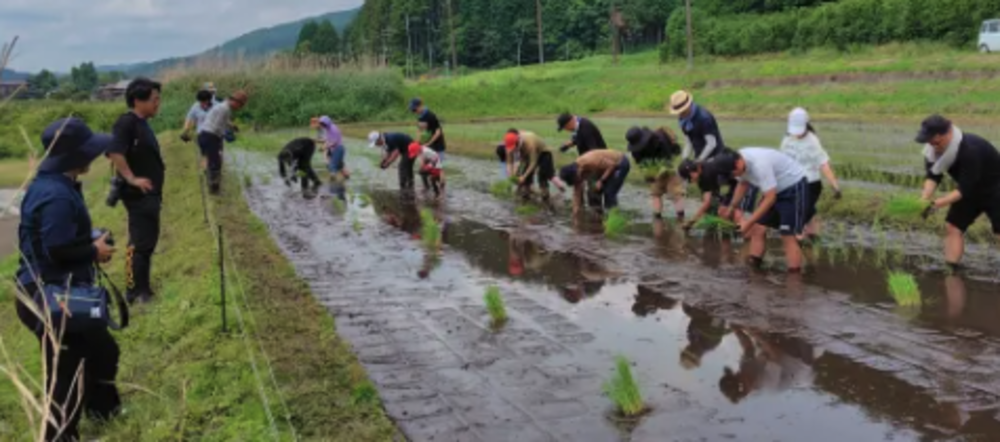
People of Isaka Sake Brewery planting rice – Photo Credit: Isaka Sake Brewery
Visit Isaka Sake Brewery
Tasting Time, Water, and Tradition
Isaka Sake Brewery (井坂酒造) is the final stop that brings together Satomi’s spiritual, agricultural, and natural elements. Operating since the Edo period, the brewery produces sake under the name Hinodezuru (日の出鶴), a name that evokes sunrise, renewal, longevity, and connection.
The brewery’s location is no accident. Surrounded by mountains, Satomi offers clean air, cool temperatures, and pure water drawn from the Satogawa River. Local rice and time-honored techniques complete the foundation for sake brewing.
Visitors can tour the brewery, learn about fermentation, and sample the finished sake. Fermentation is often described as an invisible process, one that begins with human effort but ultimately relies on natural forces. This act of entrusting mirrors the mindset found in prayer and farming.
Hinodezuru is also offered as miki at local shrines, completing a full cycle from nature to craft to faith and back again.
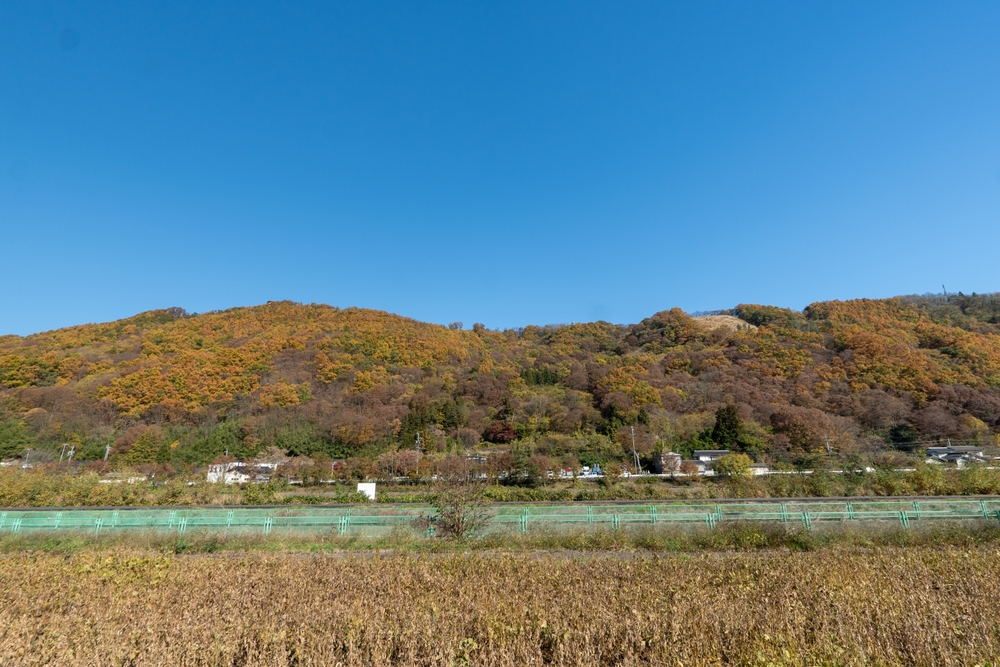
Snapshot view of walking the Salt Road – Photo Credit: U3photos
Walk the Salt Road
Exploring Satomi on Foot
For those who want to experience Satomi’s landscape more physically, Salt Road Hiking Course (塩の道ハイキングコース) offers an optional but rewarding activity. This gentle hike follows routes once used to transport salt and fish from the sea and timber and charcoal from the mountains.
The trail runs along the upper reaches of the Satogawa River, passing waterfalls and forest paths that change dramatically with the seasons. Walking here reveals how people once moved through the land and relied on its natural flow for survival and trade.
The water encountered along the trail eventually becomes part of the sake brewed at Isaka Sake Brewery, quietly linking this walk to every other experience in Satomi. Walking the Salt Road becomes a way of communicating with the land through movement rather than observation.
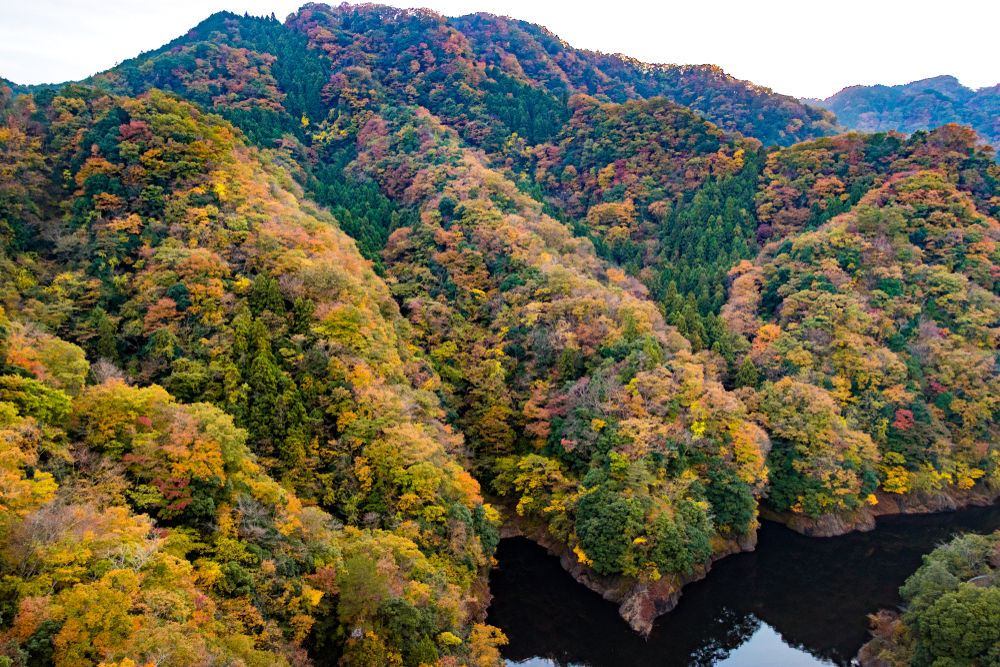
Autumn scenery near Hitachiōta City – Photo Credit: masajla
Why Satomi Leaves a Lasting Impression
Satomi is not a destination defined by famous sights. Its appeal lies in the accumulation of small, thoughtful encounters with people who continue to care for their land, skills, and traditions. Shrines, farms, workshops, and breweries are not separate attractions but interconnected expressions of a shared way of life.
For travelers seeking depth, authenticity, and a slower rhythm, Satomi offers a rare opportunity to step into a living landscape where past and present coexist quietly. It is a place best experienced not by rushing through, but by listening, walking, eating, and creating alongside the people who call it home.
Featured Photo Credit: Joseph Price
Ready to explore more of Ibaraki? Don’t miss out on two itineraries that are the Hidden Treasure of Northern Ibaraki!
PIN THIS FOR LATER
Book your pocket wifi now to stay connected through your entire Japan Journey!

Be sure to get the JR Pass to make navigating Japan during your trip that much easier!

YOU MIGHT ALSO LIKE