Explore Tohoku With Us Part 1: The Story Behind the Michinoku Coastal Trail
Dec 19, 2025
BY Chloe Hughes
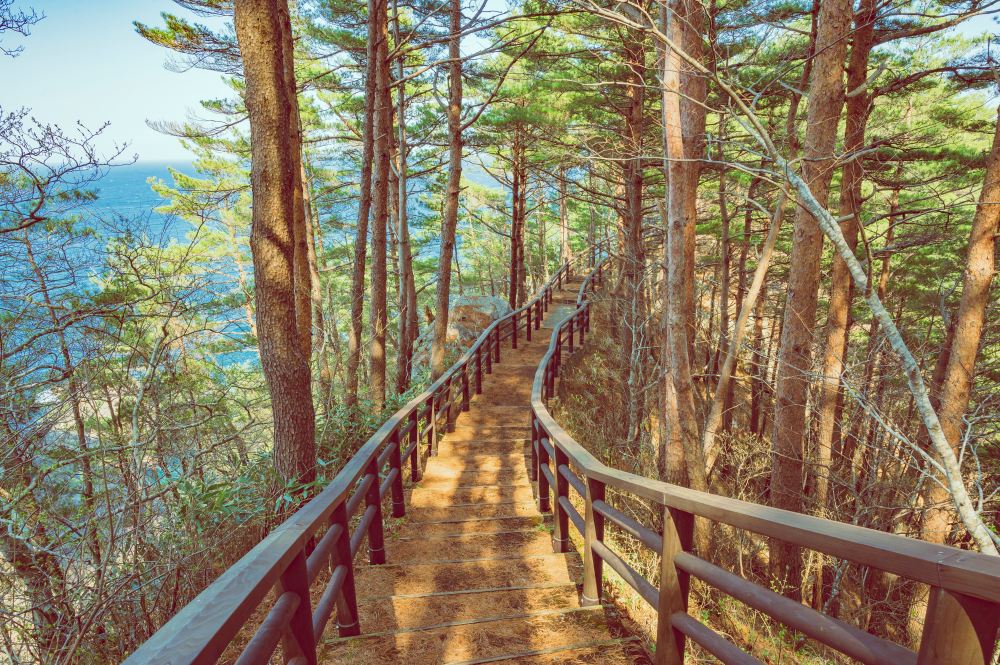
Have you heard of the Tohoku region? Perhaps you might remember it from the tragic earthquake and tsunami back in 2011. But the area is so much more than a simple tale of tragedy and destruction. It’s a place with a rich and deep history, where nature is vibrant and breathtaking, and where the locals are defiant, strong, and resilient. It’s not the scars of the natural disaster that tell the story of Tohoku; it’s the people who have not only existed for hundreds of years, but who have overcome adversity and come together and rebuilt their devastated society. There is so much to discover around every corner of the region, and yet it remains highly undervisited, particularly by tourists, and that’s why we want to introduce it to you!
So join us for our new two-part series, where we cover the Tohoku region with you, from its inspirational story and natural wonders, to its incredible people. We will look at some of the best things you can do in the area that truly explores not only what the region has to offer, but what makes it such an important part of history. Without further ado, let’s jump into part one, covering the brand-new Michinoku Coastal Trail along with all the sites and experiences you can find on the way!
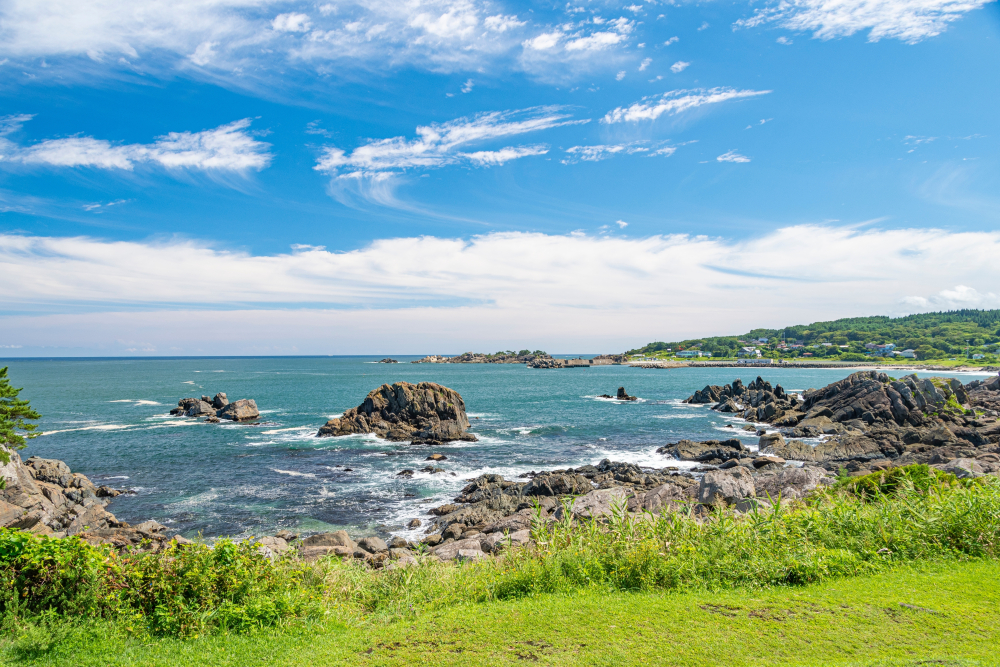
Beautiful and sunny Tanesashi Beach in Hachinohe City, the starting city of the MCT – Photo Credit: smoke_m
A trail of community, resilience, and recovery
Spanning from Hachinohe City in Aomori Prefecture to Soma City in Fukushima, the 1000km Michinoku Coastal Trail, or MCT, is one of the ten Long Distance Nature Trails that can be found in Japan. By taking part in this epic trek, hikers will be led through incredible coasts, rural landscapes, historical areas, and shrines. But it isn’t necessarily the nature and views that are what truly set the MCT apart; it’s the community connection and their story of resilience and recovery after disaster. In fact, many of those who have had the opportunity to walk the trail have noted that, more than the beautiful scenery, what really stayed with them long after is the connection with the locals they met along the way.
To understand how the trail came to be and why the local connection is so important, it’s important to go back to the very start, a time of tragedy. The Tohoku region was the victim of the Great East Japan Earthquake and Tsunami in 2011, bringing unprecedented destruction from a disaster that is said to happen only once every one thousand years. The region and its people were devastated, with the total loss of life stated to be over 18,000, leaving many to question how they and nature can continue to coexist. Then, in response to this event, the Ministry of Environment started its “Green Reconstruction Project” with the hope of cultivating sustainable community planning as well as preserving the abundant nature and local ways of life for future generations.
One of the many initiatives for this project was created by a man by the name of Noriyoshi Kato, who is an advocate for walking through natural places. After walking in the still freshly scarred Tohoku, considering how it was that people and nature can relate to each other, he came up with a proposal: “a national trail leading through the Sanriku Coast national parks, a team effort between government and people.” Thanks to this, the Michinoku Coastal Trail was born, becoming a symbol of the coexistence of people and nature, which values the blessings of the natural landscape, the memories of disasters, and the ways of life, histories, and cultures that were formed in harmony with the environment. And with these values in mind, the trail quickly became a collaborative effort that helped the local community heal together from the natural disaster.
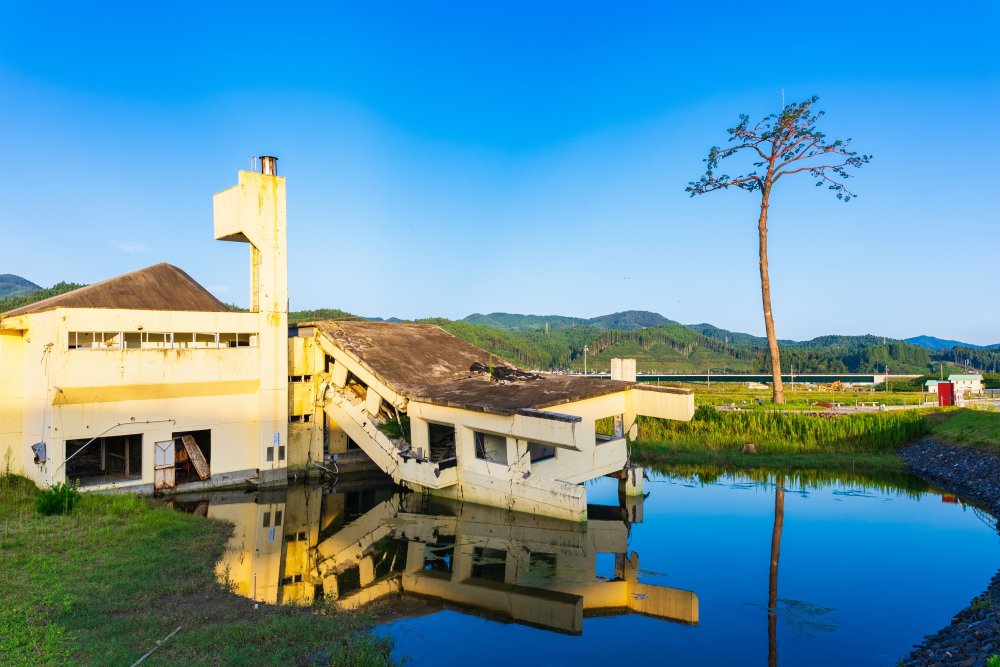
The lone “Miracle Pine Tree” in Rikuzentaka, alongside the remains of a youth hostel – Photo Credit: john901
As part of the recovery process, memorials for those who had lost their lives were erected across the region, with many being located along the MCT. One of which is the Miracle Pine Tree, which can be found in Rikuzentakata, Iwate Prefecture. This remarkable tree was the lone survivor of the Takata Pine Forest, almost completely wiped out by the tsunami. Although the original has unfortunately died, a replica now stands in its place, helping mark the Iwate Tsunami Memorial alongside some school building ruins.
Another notable memorial found along the trail is the Wind Phone, or Kaze no Denwa, located in Otsuchi, Iwate. As the name might suggest, this is an unconnected phone booth that allows visitors to hold one-way conversations with their deceased loved ones. It was first set up by the garden designer Itaru Sasaki back in 2010 as a way to help him cope with his cousin’s death. However, after the natural disaster, and seeing how much it helped him, he opened the phone to the public, allowing them to call their loved ones they had lost in the tragedy.
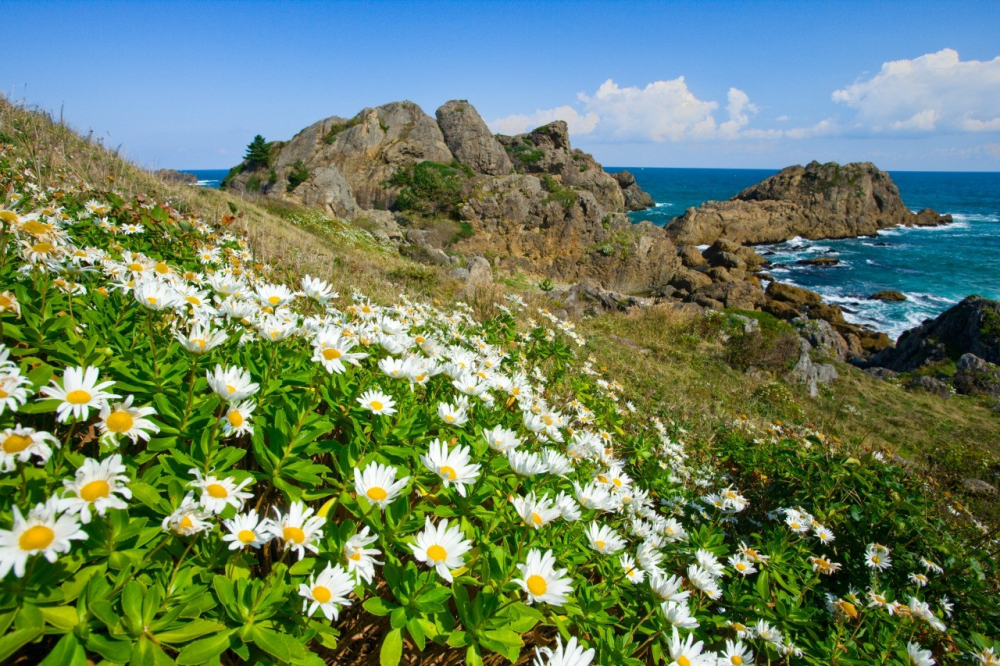
Beautiful, vibrant Hamagiku flowers that decorate the Tanesashi Coast – Photo Credit: Official Tohoku Travel Website
Beauty that springs from destruction, the coast and its seasons
Today, the trail stands as a living symbol of resilience and recovery for locals and tourists alike, offering a path that not only tells a powerful story but also leads hikers through some of Tohoku’s most gorgeous natural landscapes. As it crosses through a total of four prefectures as it covers the region’s coastline, it’s not hard to imagine how gorgeous and varied the views are. Whilst walking this one single, grand line, you will peer out over rugged cliffs, traverse rural farms run by caring families, and stop by villages frozen in a time you might think long gone. There is so much to see along the Michinoku Coastal Trail that each visit, and each hike, is sure to bring about new memories and experiences you haven’t had before.
Among the many stops, one particularly beloved area is the Tanesashi Coast, which not only provides amazing views but also features beautiful flowers blanketing the area. As with most plants, these tend to be very seasonal, resulting in a new bloom almost every month, with the colder months typically being an exception. Right now, you may still be able to catch the last blooms of the Hamagiku, or Nippon daisy, that typically flowers in September-October. The next flowering season is in March-April with the Michinoku Adonis, a gorgeous yellow flower that is said to mark the beginning of spring. The Adonis is also classified as a near-threatened species, further emphasizing just how much this area is a symbol of resilience and strength.
Each season along the MCT transforms the experience entirely, making it feel fresh and new, no matter what time of year you go. During Spring, the national cherry blossoms will be on full display. Come Autumn, the entire area will be transformed by the red, orange, and yellow leaves, creating a picturesque landscape that is an absolute must-see for nature lovers and photographers alike. And it’s not just the trees that change either, even the rice fields turn a gorgeous golden brown in the fall months, providing an even bigger unique perk to the month. Even wintertime is still a great time of year, with the snow that many might find deterring, providing gorgeous views of snowcapped coastlines and villages. In fact, many in the area who offer walking experiences along the trail actually prefer to make the trek in this season.
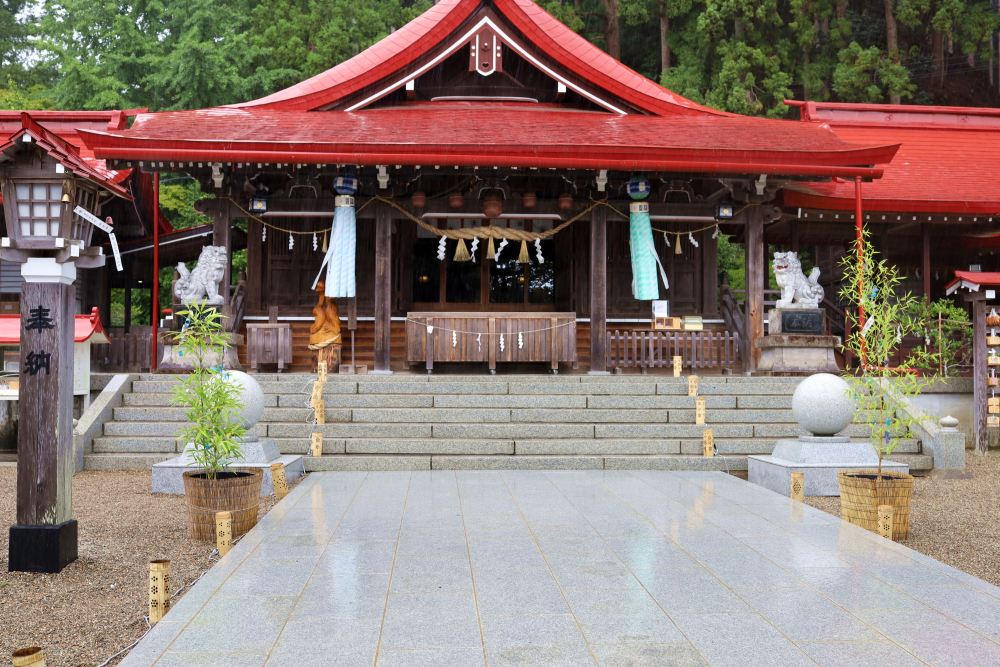
Lead up to Kinhebi-sui Shrine in Iwanuma, Miyagi Prefecture – Photo Credit: Ishikawa.t
An area of flavor and culture, what you can try along the way
An adventure like this is never just about the amazing scenery, especially when it comes to a trail with the history that the Michinoku Coastal Trail has. Each village, each city, and each stop you take to catch your breath will provide you with a new chance to discover something new about not only Tohoku but the Japanese people as a whole. This is what makes the MCT so special, and how the story of its recovery is told. One of the inns along the trail truly captures this spirit. Its owner, a gorgeous lady who was nearly swept away during the tsunami, now welcomes travelers into her business and home with warmth and openness, sharing her story of survival.
When it comes to things you can try along the way, there is no end to the cultural and local experiences that can be found. Many shrines dot the trail, each often offering its own unique window into the historical and traditional life of Japan. This region in particular is well known for its traditional dances, known as Kagura in Japanese, which you may be lucky enough to participate in or simply watch. To better guarantee this, though, it is better to look into the shrine and pre-book any experience they may have with them for the time you intend to walk the trail. There are also many local festivals held by the many cities and villages you will be walking through.
Whilst traveling through Kuji in Iwate, you will have the chance to see the incredible Ama Divers, female free-divers who have been operating for hundreds of years. And to further explore the ocean, why not jump on the MCT’s ferry, which charters hikers to their next destination, whilst also exploring the many farms and the history of Tohoku’s relationship and business operation with the ocean? It’s truly a once-in-a-lifetime opportunity to see how daily life works as well as the ins and outs of the farming industry when it’s located on the sea.
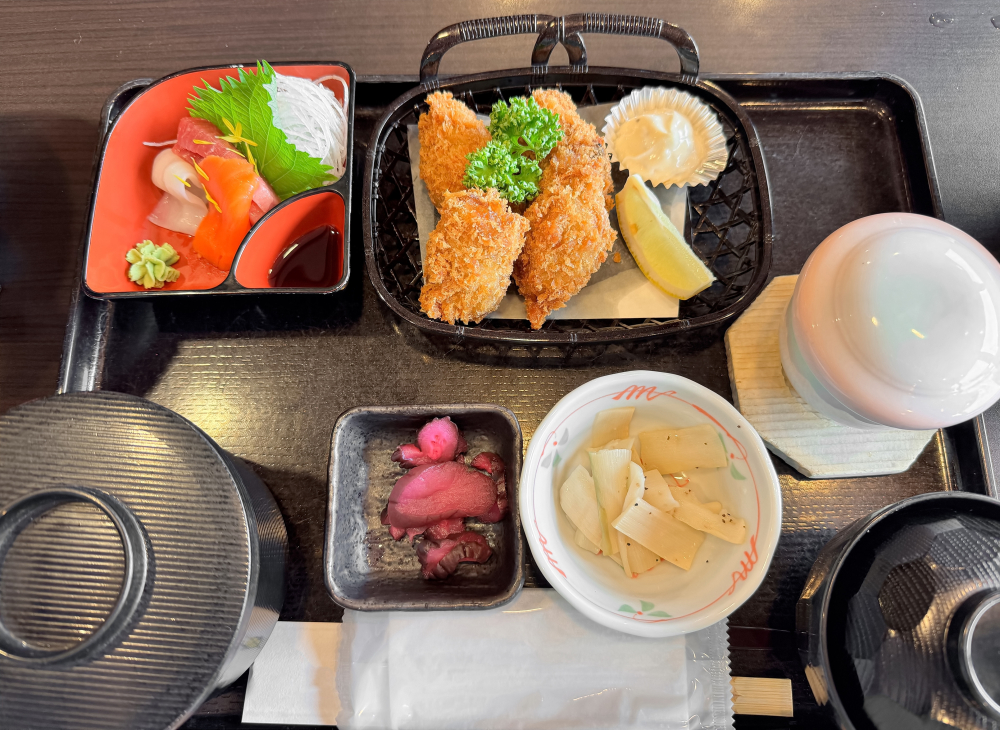
Ox tongue and oyster set meal from Matsushima, two of the area’s most famous meals – Photo Credit: topimages
Alongside all these incredible cultural and local experiences, the Michinoku Coastal Trail also offers a wealth of delicious culinary delights, giving hikers and tourists the chance to taste the flavors that have shaped the region for centuries. Being located along the coast, seafood is, of course, a very popular and common dish throughout Tohoku. Miyagi and Matsushima, in particular, are well-renowned for their oysters, much like Hiroshima. Many seafood restaurants along the trail will have them on their menu, allowing you to try them in a variety of ways, including raw or fried. Then, down in Fukushima, the prefecture is famous for its wagyu, which is unique in both its flavor profile and commitment to quality.
And for those who are more adventurous, you won’t be disappointed in the interesting culinary options along the Michinoku Coastal Trail. In the northern area, you can try your hand at sea urchins, which come highly recommended. To further complement Fukushima’s beef, beef tongue is another very popular dish and is also very famous. Finally, and probably the most unique option on the list, sea squirts. They are said to have a very interesting taste and are really something that you’re either going to love or hate, but there’s no harm in trying. After all, you only live once!
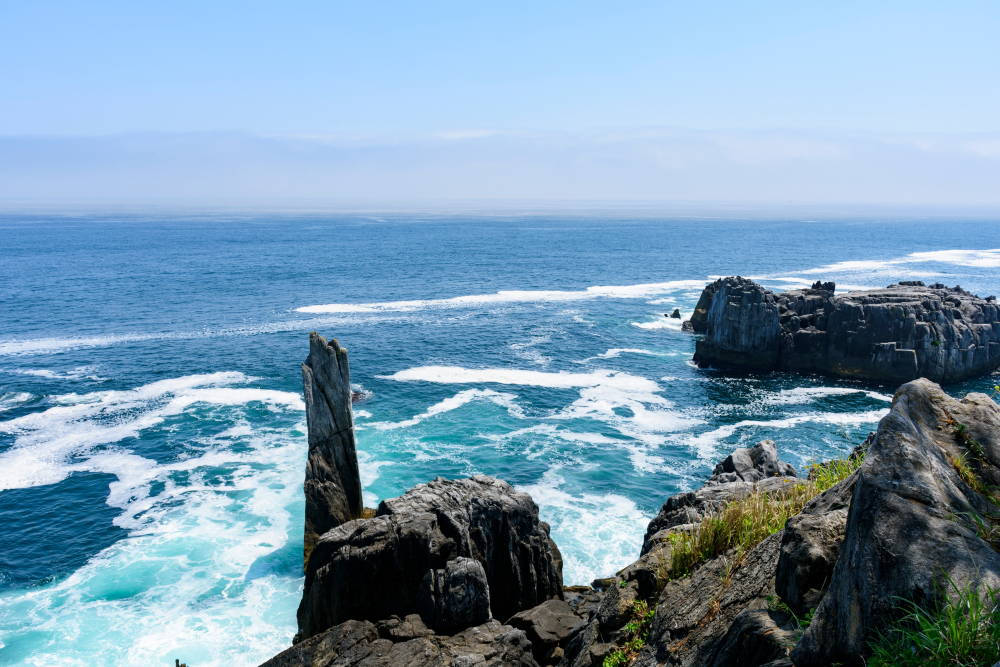
Ogamahanzo on the Sanriku Coast – Photo Credit: rujin
Walking the Michinoku Coastal Trail is far more than just a nature hike for you to marvel at the scenery. It’s a journey through the history and culture of Tohoku, whilst truly embodying the area’s story of recovery and strength. As you continue along the 1000km path, you will find heartfelt memorials raised to honor those who have been lost, but certainly not forgotten, and breathtaking views that change and transform with every season. At each stop along the way, you will be welcomed by the local community, becoming a part of something bigger, whilst also learning what it means to face adversity and come back from the brink of disaster. Whether you come to try some incredible food, push and test yourself physically, or just to immerse yourself in the culture and century-old traditions, this trail is bound to leave you with an impression that will last you a lifetime. So break out of your comfort zone and explore an area undiscovered to the world, and shrouded by a tragedy, by trekking the Michinoku Coastal Trail. We promise you it will be a soul-discovering experience!
Feature Photo Credit: koichi.T
Ready to start planning your own trip along the Michinoku Coastal Trail and the region? Contact our Tailored Travel team today and get ready to explore all that incredible Tohoku has to offer!
PIN THIS FOR LATER
Book your pocket wifi now to stay connected through your entire Japan Journey!

Be sure to get the JR Pass to make navigating Japan during your trip that much easier!
YOU MIGHT ALSO LIKE