WHERE TO TRAVEL IN JAPAN THAT IS NOT TOKYO, KYOTO, OR OSAKA (PART 2)
May 25, 2026
BY Maria Diaz
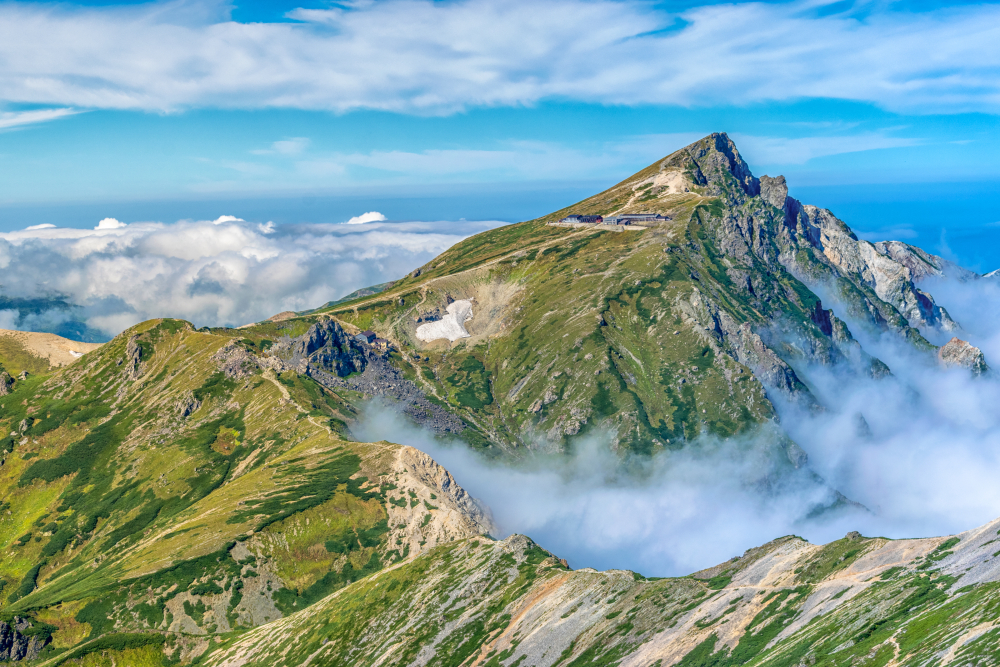
Japan has a way of pulling you in with its iconic cities, Tokyo, Kyoto, and Osaka are the most famous ones, but there’s so much more waiting beyond the typical travel route. If you’re open to exploring somewhere different, you’ll discover a different side of the country: one filled with quiet traditions, breathtaking nature, and local flavors that feel deeply personal. So to help you discover the true side of Japan for yourself, we’re back with our new series that explores the country beyond the over-traveled Golden Route.
In this second part of our journey, we continue exploring destinations that don’t always make the front page but absolutely deserve a spot on your itinerary. From hidden cultural gems to serene landscapes and vibrant regional cities, these places reveal the richness of Japan in ways that feel both authentic and unforgettable. If you missed Part 1 of this blog, make sure to check it out here before diving in.
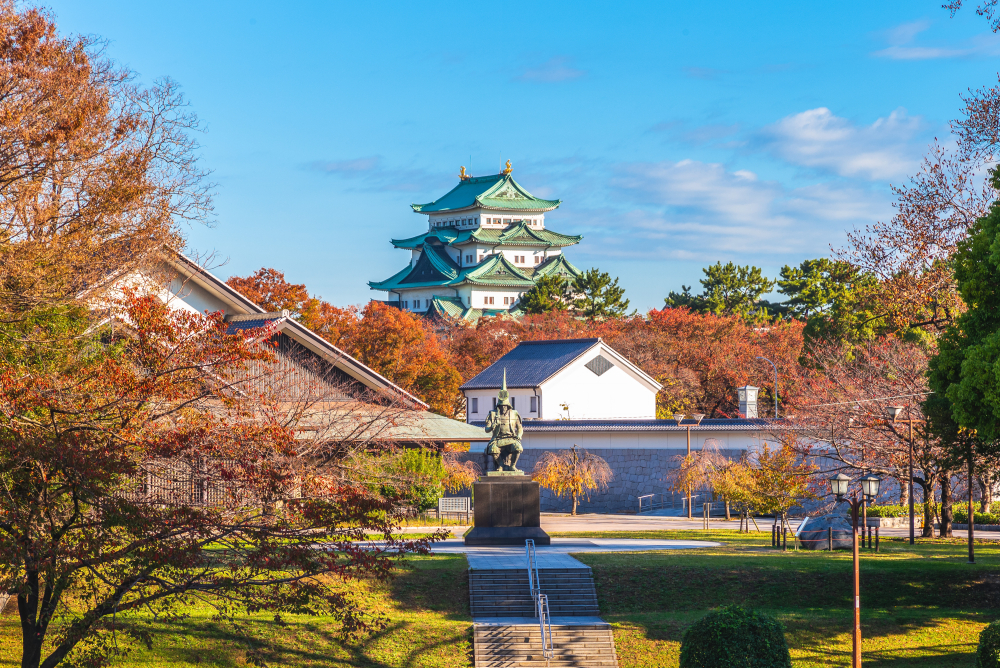
Beautiful views of Nagoya Castle – Photo Credit: Richie Chan
Nagoya
Nagoya is often seen as a stopover between Tokyo and Kyoto, but those who take the chance to visit quickly realize it’s so much more. A modern city with deep samurai roots, it blends futuristic architecture, local craftsmanship, and down-to-earth hospitality. Start your visit at Nagoya Castle, with its iconic golden dolphins (shachihoko) glimmering in the sun, and explore the surrounding gardens that shift beautifully with the seasons. Then wander through the Osu Shopping District, a maze of quirky shops, vintage stores, and tasty street food.
For a dose of culture, the Toyota Commemorative Museum of Industry and Technology is fascinating, revealing how this global brand evolved from a small family business to a world-renowned vehicle producer. Art lovers should head to the Nagoya Museum of Fine Arts or the Tokugawa Art Museum, where samurai armor, swords, and scrolls transport you straight into Japan’s feudal past.
Food here is bold and full of character. Don’t miss local specialties like hitsumabushi (grilled eel served three ways), miso katsu (a rich twist on tonkatsu), and tenmusu (shrimp tempura wrapped in rice and seaweed). They sum up Nagoya’s personality perfectly, familiar yet full of surprises. And for a stay that truly captures the city’s creative energy, choose Nikko Style Nagoya (click here to learn more about this incredible hotel and its place in the city). It’s not just a hotel, it’s an experience. Sleek design meets warm service, with a café-bar that celebrates local coffee roasters, a lobby filled with ambient jazz, and rooms that balance comfort and modern Japanese aesthetics. Staying here makes you feel connected to Nagoya itself, so why don’t you try to experience it for yourself?
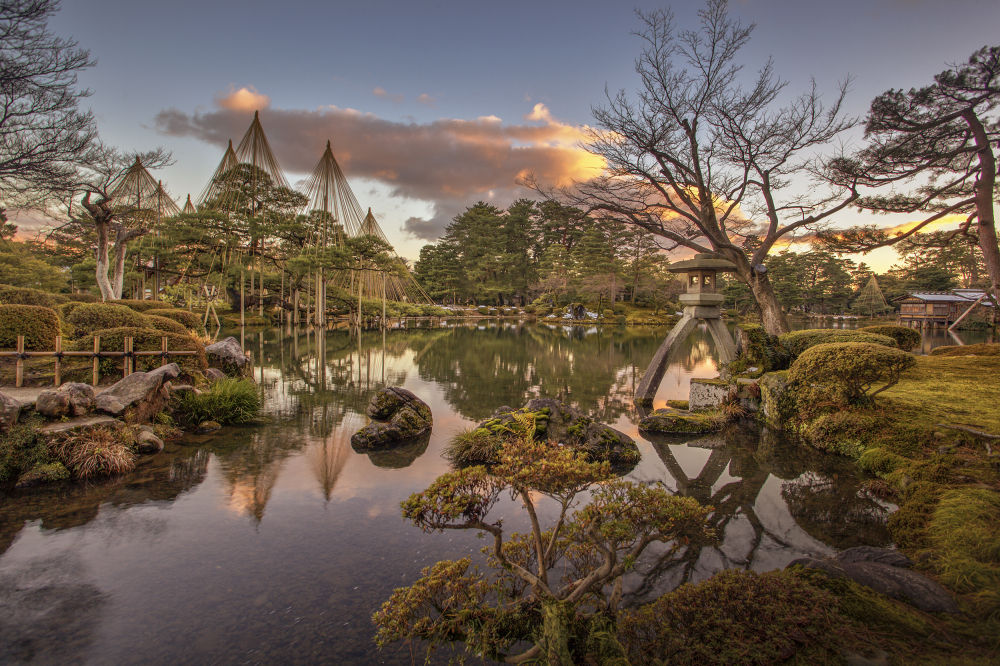
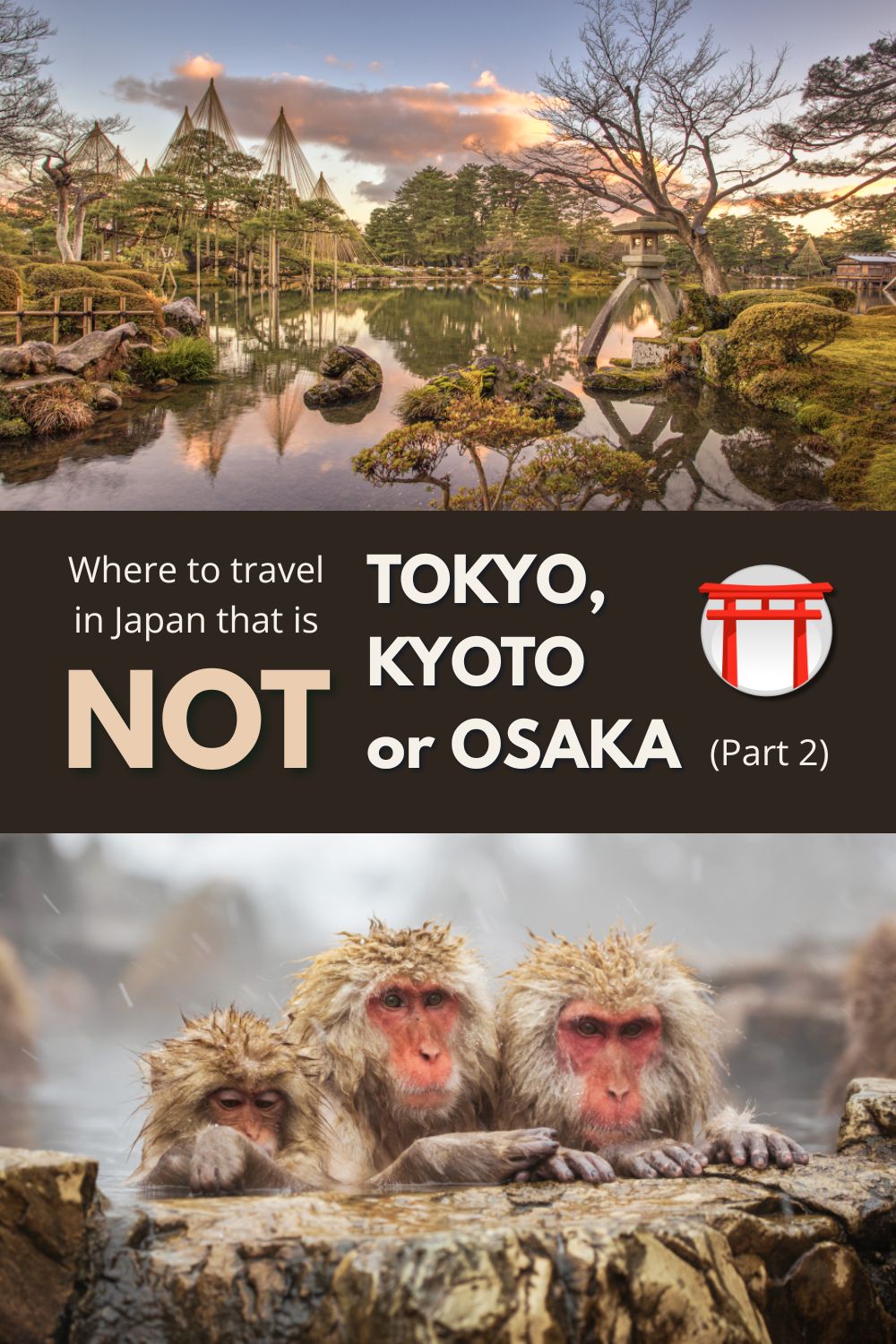
Must-visit Kenrokuen Garden in Kanazawa – Photo Credit: A Hie
Kanazawa
Kanazawa feels like stepping into Kyoto’s quieter, more introspective sibling. Known as the “Little Kyoto,” this city retains a graceful old-world atmosphere that’s never overrun. Walk through Higashi Chaya District, where geisha houses glow softly at sunset, and stop for matcha in one of the teahouses that have been serving guests for centuries. Then head to Kenrokuen Garden, one of Japan’s most beautiful landscapes, changing dramatically from snowy winters to lush springs.
Kanazawa’s samurai history is alive in Nagamachi, where earthen walls and narrow lanes still whisper stories from the Edo period. And at the 21st Century Museum of Contemporary Art, you’ll find a refreshing contrast: bold architecture, interactive exhibits, and enough creativity to keep you wandering for hours. The city’s attention to detail extends to its food, too. Local seafood from the Noto Peninsula is legendary, especially buttery crab and delicate sushi served at modest neighborhood counters. Don’t leave without trying gold leaf ice cream, a playful nod to Kanazawa’s history of gold craftsmanship that literally shimmers.
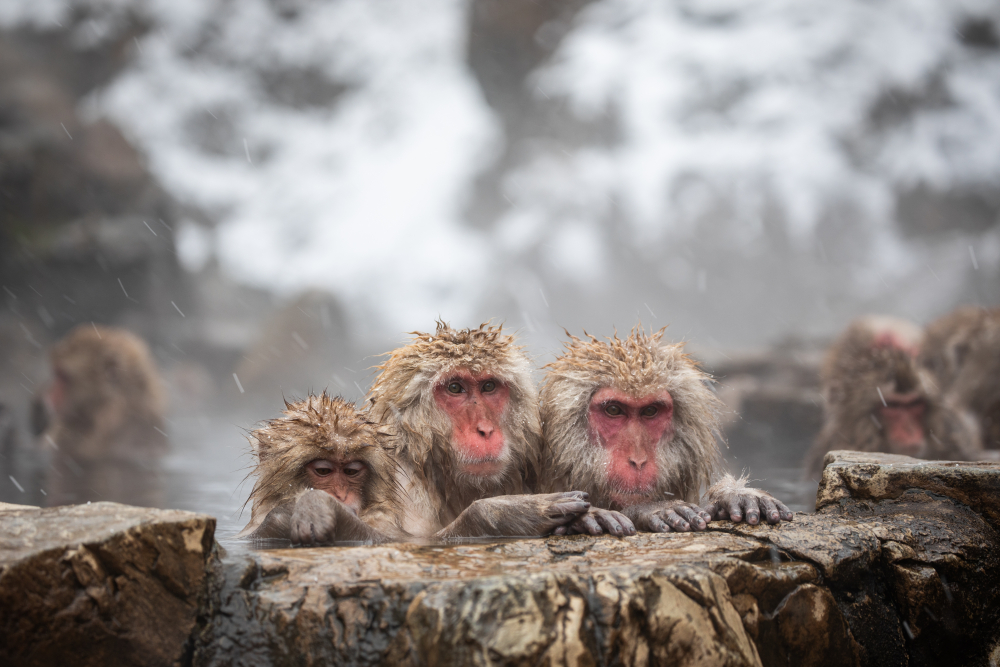
Jigokudani Snow Monkey Park – Photo Credit: LIGHTITUP
Nagano
Nestled among the Japanese Alps, Nagano is where mountain purity meets deep spirituality. It’s best known for Zenko-ji Temple, one of Japan’s most important pilgrimage sites, where people have prayed for over 1,400 years. The temple’s quiet dignity contrasts beautifully with the lively street outside, lined with traditional inns, noodle shops, and incense stalls.
Nature here is the main event. In winter, Nagano transforms into a snow paradise, and skiers from around the world head to Hakuba Valley, while the famous Jigokudani Snow Monkey Park offers the unforgettable sight of monkeys soaking in hot springs. During the warmer months, the prefecture becomes a hiker’s dream: alpine meadows in Kamikochi, serene onsen towns like Nozawa, and endless mountain trails filled with clear rivers and cedar forests.
Nagano’s food also tells its own cozy story. Bowls of soba noodles made from locally grown buckwheat, crisp mountain vegetables, and sake brewed with pristine alpine water all taste simple yet deeply satisfying. It’s truly a place that makes you reconnect with nature and slow down in the best possible way.
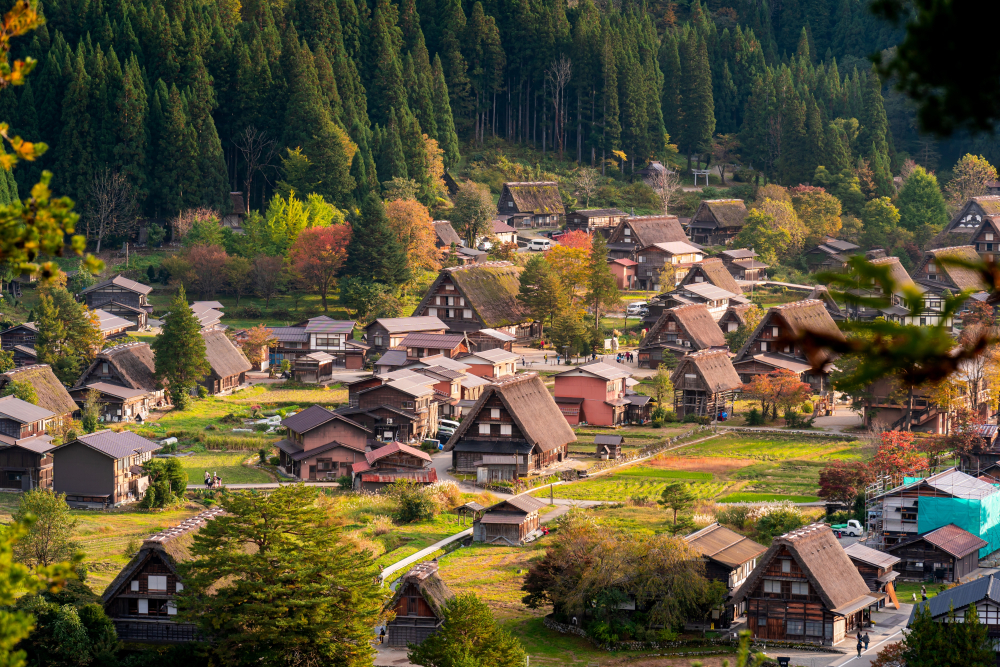
Shirakawa-go – Photo Credit: kitzcorner
Gifu
Gifu blends tradition and tranquility in perfect harmony. The town of Takayama, with its Edo-period wooden houses and narrow streets, feels frozen in time. Wandering through morning markets filled with local crafts and fresh produce is a highlight, while the Takayama Festival (held each spring and autumn) transforms the streets into a celebration of floats, music, and lanterns.
Further south, the fairytale village of Shirakawa-go, a UNESCO World Heritage Site, waits with its thatched-roof gassho-zukuri houses, especially magical when blanketed in snow. And if you climb Mount Kinka, you’ll find Gifu Castle, offering panoramic views that once inspired warlord Oda Nobunaga himself. Gifu’s local cuisine is rustic yet refined. Hida beef (click here to learn more) ranks among Japan’s best wagyu, prized for its marbled texture and rich flavor, often served on a sizzling hot plate or grilled on magnolia leaves with miso. It’s comforting food made with great skill, just like the region itself.
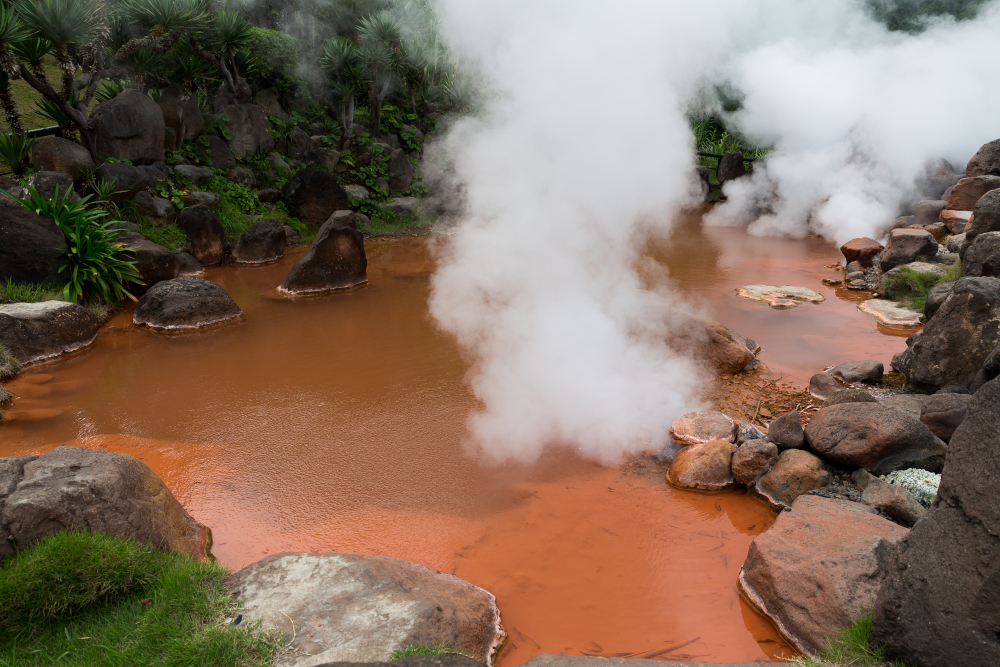
Chinoike Jigoku in Beppu – Photo Credit: leungchopan
Oita
Down on Kyushu Island, Oita is all about water, warmth, and wellness. The onsen capital of Japan, its landscape is defined by steam rising from the ground like soft clouds. Beppu, in particular, is famous for its hot spring baths, ranging from traditional inns to the surreal “Hells of Beppu”, colorful geothermal ponds you can admire (not soak in). Nearby Yufuin offers a slightly different rhythm, where misty mountain scenery mixes with boutique cafés, galleries, and ryokan retreats perfect for unwinding.
But Oita isn’t just about relaxation, it’s about renewal. Visit Mount Tsurumi by ropeway for panoramic island views, or enjoy the coastal calm of Usa Jingu Shrine, one of Japan’s most important Shinto sites. And let’s not forget the food. Oita’s Toriten (tempura-style chicken), Bungo beef, and kabosu citrus-infused dishes bring brightness to every meal. Watching the sunset from a rotemburo bath overlooking the ocean while savoring these local flavors is an experience that stays with you long after you’ve left.
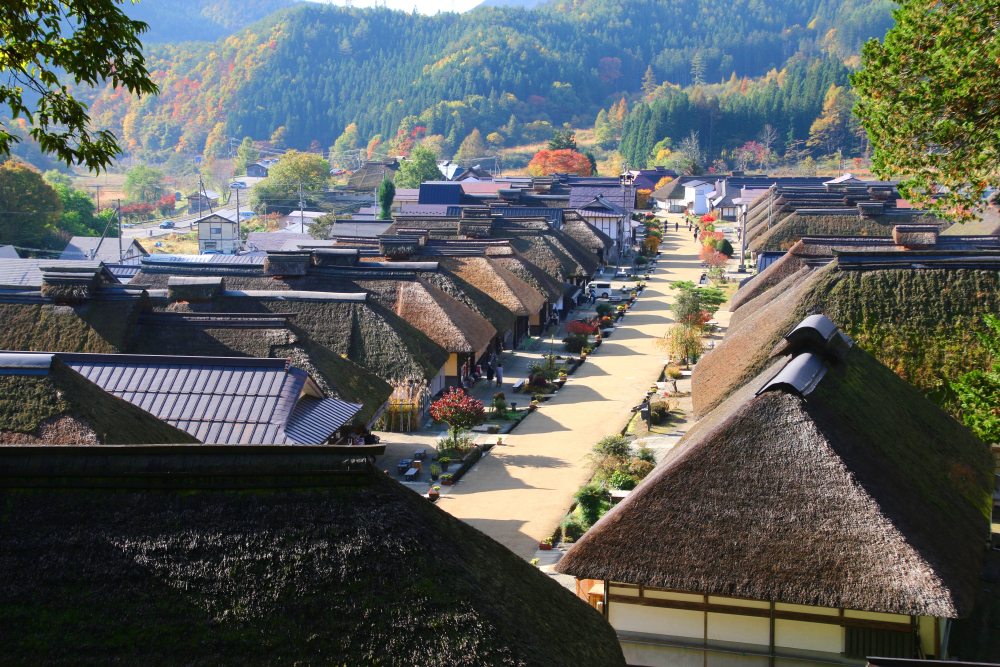
Ouchijuku, an Edo-era post town – Photo Credit: Musashi2001
Fukushima
Fukushima’s quiet strength and beauty make it one of Japan’s most underrated regions. The Aizu-Wakamatsu area, rich in samurai history, still carries the spirit of loyalty and resilience. Exploring Tsuruga Castle offers a glimpse into that proud past, while nearby Ouchijuku, a preserved Edo-era post town, feels like you’ve stepped into a time machine with its thatched houses and steaming soba stands.
Adventure seekers will love Mount Bandai, a volcanic mountain surrounded by shimmering lakes that shift colors with the seasons, and Goshikinuma, a chain of ponds whose surreal blue and green hues look almost unreal. In autumn, fiery foliage paints the landscape, perfectly complementing the calm of its traditional hot springs. Local cuisine here is wholesome and deeply rooted. Try kitakata ramen, known for its thick chewy noodles and rich soy-based broth, or sample enban gyoza, a local take on pan-fried dumplings served in a circle. Fukushima tells a story of quiet recovery and enduring natural beauty; it’s Japan at its most heartfelt.
Traveling beyond Tokyo, Kyoto, and Osaka isn’t just about avoiding the crowds; it’s about discovering a deeper, more intimate side of Japan. There is so much to see when you step off that over-traveled path, with every spot inviting you to take a moment and indulge yourself in the deep, beautiful culture of this incredible country. So if you’re planning your next trip, consider stepping a little further out. You might just find that the places you hadn’t heard of become the ones you’ll never forget.
Featured Photo Credit: Martin Capek
To discover more hidden gem areas that locals truly love, check out our many tours and off-the-beaten-path experiences and find your next big adventure today!
PIN THIS FOR LATER
2
shares
Book your pocket wifi now to stay connected through your entire Japan Journey!

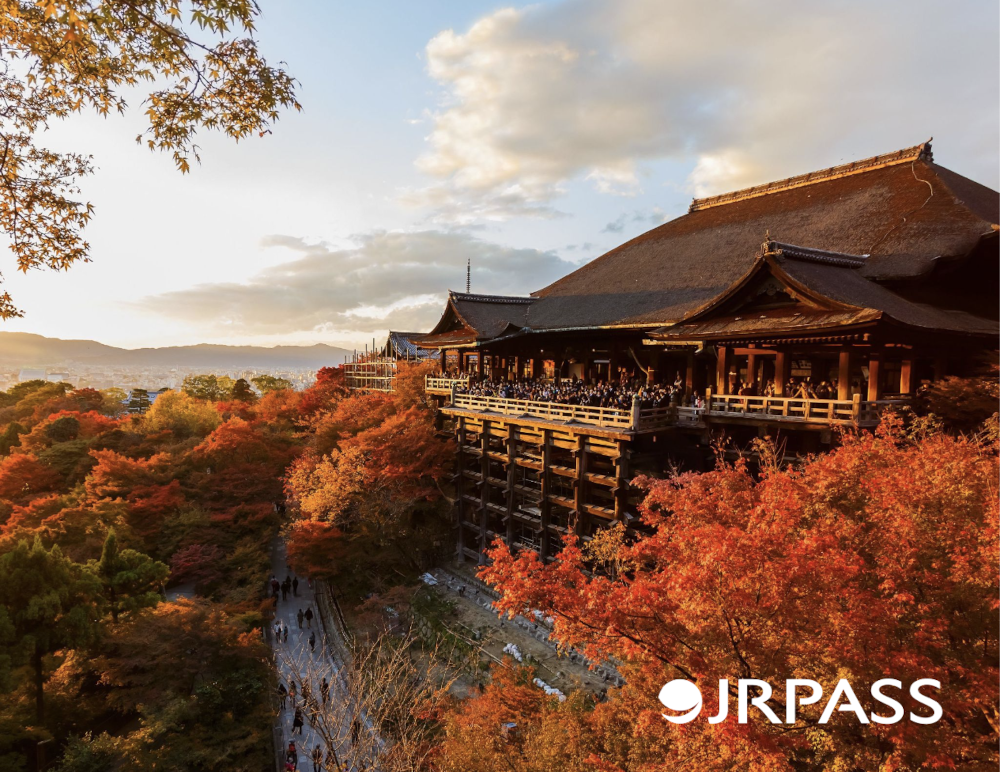
Be sure to get the JR Pass to make navigating Japan during your trip that much easier!
YOU MIGHT ALSO LIKE


