WHY VISIT NAGOYA? JAPAN’S MOST UNDERRATED CULTURAL HUB
Nov 5, 2026
BY Maria Diaz
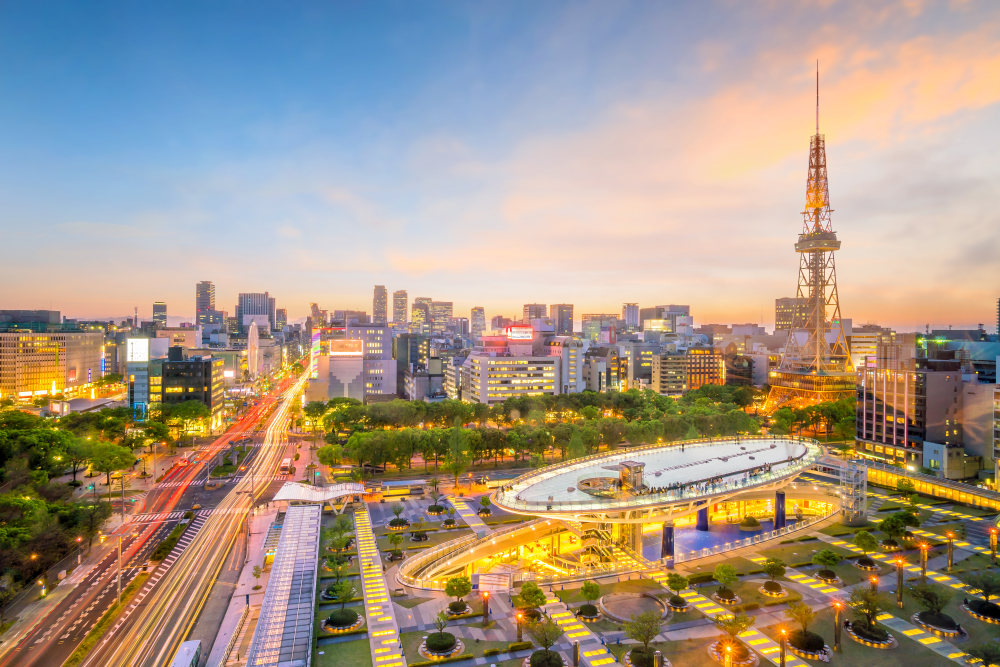
Nagoya is often described as Japan’s most underrated hub, and that reputation largely comes from its unique position, both geographically and culturally. Nagoya sits almost exactly between Tokyo and Osaka, making it a central stop along the Tokaido Shinkansen. This means millions of people pass through Nagoya every year, often without giving it a second thought. It becomes a place you “go through” rather than “go to”. But this constant movement is precisely what makes it so important.
Nagoya functions as a kind of backbone for Japan, connecting major economic and cultural regions while maintaining its own identity. Unlike Tokyo, which can feel overwhelming, or Kyoto, which can feel saturated with tourism, Nagoya offers a rare balance: efficient, accessible, and surprisingly calm. The city’s infrastructure is built to handle large-scale movement, yet its streets never feel excessively crowded. This contrast creates a sense of ease that many travelers only notice once they slow down and spend time there.

Toyota dealership – Photo Credit: ArtEvent ET
Another thing that makes Nagoya interesting is its strong connection to industry and innovation. The city is closely linked to Toyota, and the whole region has a long history of making things, from machines to cars. This gives Nagoya a different vibe compared to more tourist-focused cities. It’s less about flashy sights and more about how well everything works. Trains run on time, streets are easy to navigate, and everything feels organized. There’s a kind of quiet pride in doing things properly, and you can feel that in everyday life. It might not impress you instantly, but the more time you spend there, the more you start to appreciate how smoothly everything runs.
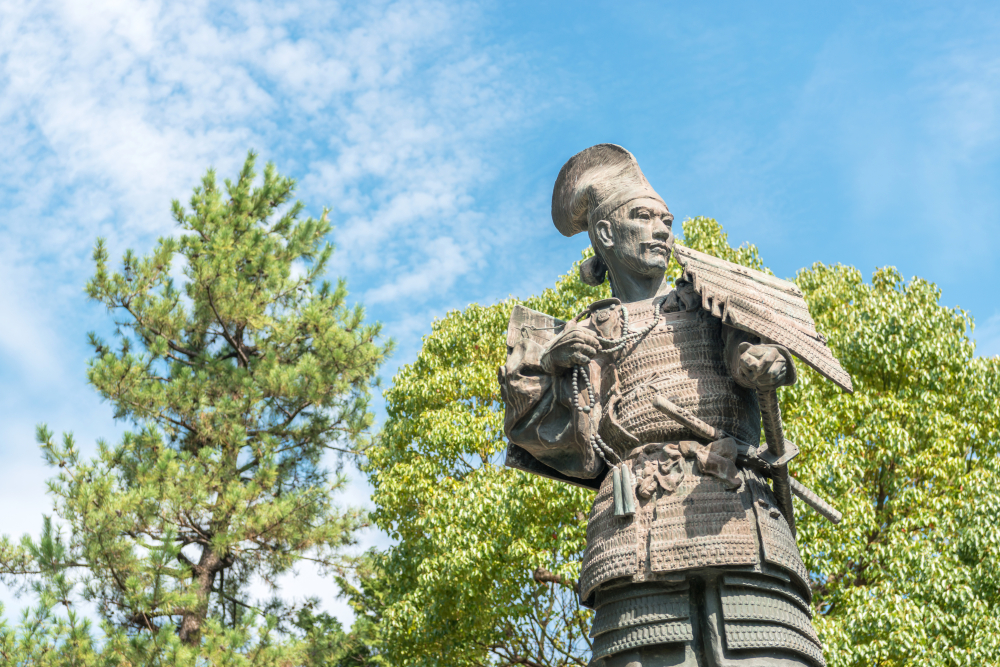
Oda Nobunaga statue – Photo Credit: mTaira
Nagoya is also more important in Japanese history than many people think. The area is connected to three major historical figures: Oda Nobunaga, Toyotomi Hideyoshi, and Tokugawa Ieyasu. These leaders helped unify Japan after a long period of war, so their influence is huge. You can still see their legacy in places like Nagoya Castle. While cities like Kyoto are more famous for traditional culture, Nagoya tells the story of how Japan changed and became unified. It’s a different kind of history, but it’s just as important: less about beauty, more about power and transformation.

Miso cutlet, a local dish of Nagoya – Photo Credit: sasazawa
What To Eat
Food in Nagoya is a big part of the experience, and it’s known for being rich, bold, and full of flavor. The local cuisine, called Nagoya meshi, includes comforting dishes like miso katsu, hitsumabushi (grilled eel), and crispy tebasaki chicken wings. Many of these meals use red miso, which gives them a deeper, stronger taste compared to other regions in Japan. Eating in Nagoya feels authentic and satisfying, less about presentation and more about enjoying hearty, memorable flavors that locals truly love. Do you want to know more about them?
One of the most famous dishes is miso katsu, which takes a classic Japanese pork cutlet and completely transforms it. Instead of the usual light sauce, it’s covered in a thick, dark red miso sauce that’s slightly sweet, slightly salty, and very rich. The contrast between the crispy breaded pork and the heavy sauce makes it incredibly satisfying. It’s the kind of meal that feels filling and indulgent, especially after a long day of exploring. It might not be as visually elegant as food in other cities, but it’s all about flavor and comfort.

Warm and delicious hitsumabushi – Photo Credit: taka1022
Another must-try is hitsumabushi, Nagoya’s take on grilled eel. This dish is special because it’s not just one meal. It’s an experience you enjoy in stages. First, you eat the eel over rice as it is, enjoying its smoky, slightly caramelized flavor. Then, you add condiments like green onions, wasabi, or seaweed to change the taste. Finally, you pour a light broth over it and eat it like a comforting soup. Each step brings out a different side of the dish, making it feel interactive and surprisingly refined despite its simple ingredients.

Spicy fried chicken wings known as tebasaki – Photo Credit: Nishihama
Then there’s tebasaki, Nagoya-style chicken wings, which are completely different from what you might expect if you’re used to Western-style wings. These are smaller, crispier, and coated in a sweet and peppery glaze that has just the right amount of kick. They’re usually served in piles, making them perfect for sharing, especially with a drink. Eating tebasaki is a bit messy, you’ll probably get your hands sticky, but that’s part of the fun. It’s casual, social food that fits perfectly with Nagoya’s relaxed atmosphere.

Miso nikomi udon is a Japanese noodle soup dish – Photo Credit: bonchan
Nagoya also has its own unique take on everyday comfort dishes. One example is miso nikomi udon, a hearty noodle soup served in a clay pot. The broth is thick and deeply flavored with red miso, and the noodles are firmer than usual, giving them a slightly chewy texture. It often comes with ingredients like chicken, egg, and vegetables, making it feel like a complete, warming meal, especially in colder weather. Another local favorite is ogura toast, which sounds simple but is surprisingly iconic: thick slices of toast topped with sweet red bean paste and butter. It’s often eaten for breakfast in Nagoya’s cozy coffee shops, showing how even simple food here has its own twist.
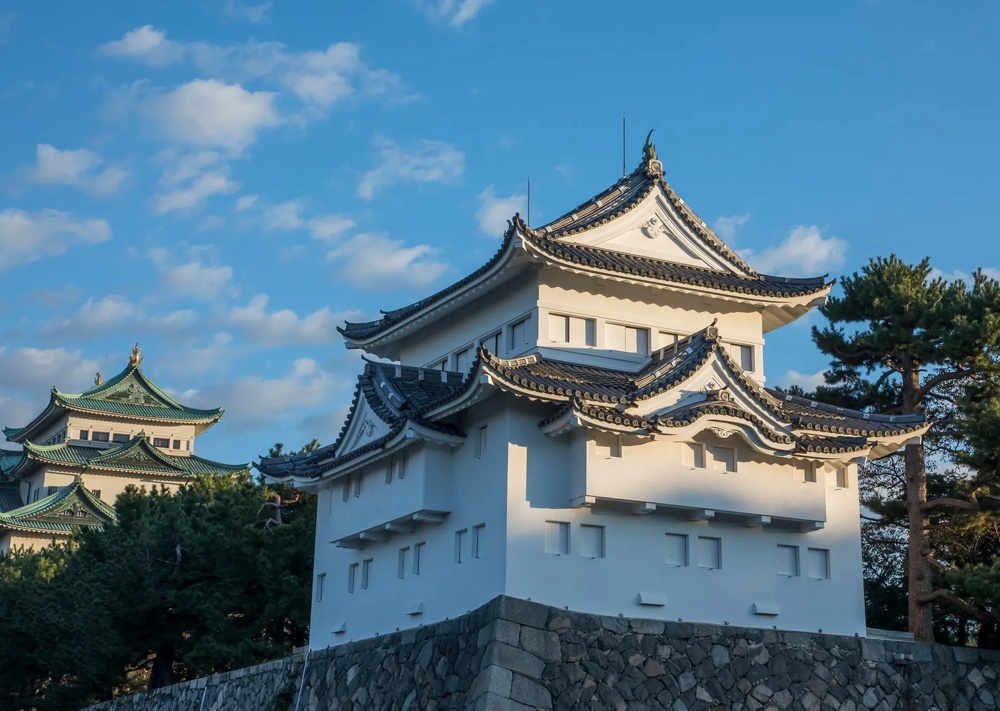
Nagoya Castle – Photo Credit: Nagoya Castle
What To Visit
Nagoya offers a great mix of history, modern attractions, and creativity, making it an easy city to explore. You can step into Japan’s past at Nagoya Castle, experience peaceful traditions at Atsuta Shrine, or enjoy the lively atmosphere of Osu’s shopping streets. For something more modern and imaginative, Ghibli Park, inspired by Studio Ghibli, offers a unique and immersive experience. Together, these places show how Nagoya blends history, culture, and creativity in a way that feels balanced and easy to enjoy. Do you want to know more about them?
Nagoya Castle
Nagoya Castle is not just a sightseeing spot; it’s a statement of power, legacy, and survival. Built in 1612 by Tokugawa Ieyasu, the founder of the Tokugawa shogunate, the castle symbolized control over central Japan. What you see today is a careful reconstruction, as much of the original structure was destroyed during World War II, but that doesn’t make it feel any less grand.
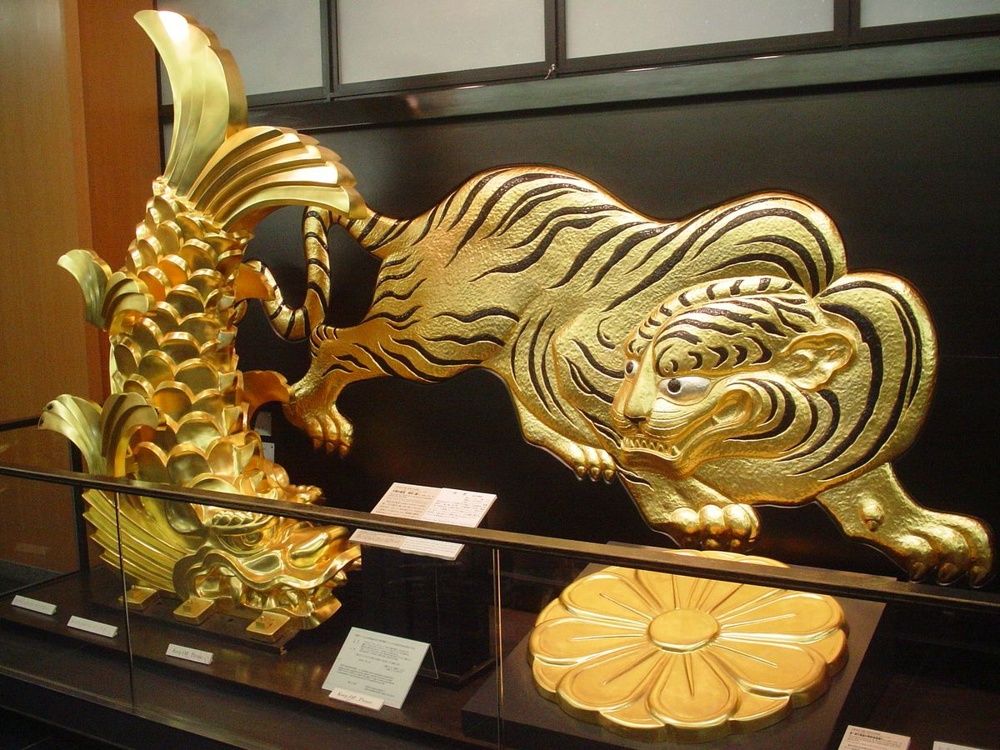
Golden shachihoko and tiger – Photo Credit: Izy-san
The first thing that grabs your attention is the pair of golden shachihoko, mythical creatures with tiger heads and carp bodies, perched dramatically on the roof. They aren’t just decorative; they were believed to protect the castle from fire. As you walk across the massive stone bridges and through the gates, you’ll notice how the architecture itself is defensive: angled walls, strategic layouts, and hidden vantage points.
Inside, the Honmaru Palace is where things become almost surreal. The rooms are covered in gold leaf, with painted sliding doors depicting tigers, pine trees, and seasonal landscapes. It’s less like entering a building and more like stepping into a painting. Each room had a purpose: political meetings, receptions, private quarters, and the hierarchy of power is literally built into the layout.
If you visit during spring, the castle grounds transform into one of the best cherry blossom viewing spots in the city. Locals gather here for hanami, turning the historic grounds into a lively, almost festive park. It’s a beautiful contrast: centuries-old samurai architecture surrounded by fleeting pink blossoms.
Address: 1-1 Honmaru, Naka-ku, Nagoya-shi, Aichi-ken
Opening Hours: 9 am – 4:30 pm
Admission: Adults ¥500, Seniors (+65) ¥100, Children Free
Website: https://www.nagoyajo.city.nagoya.jp/en/
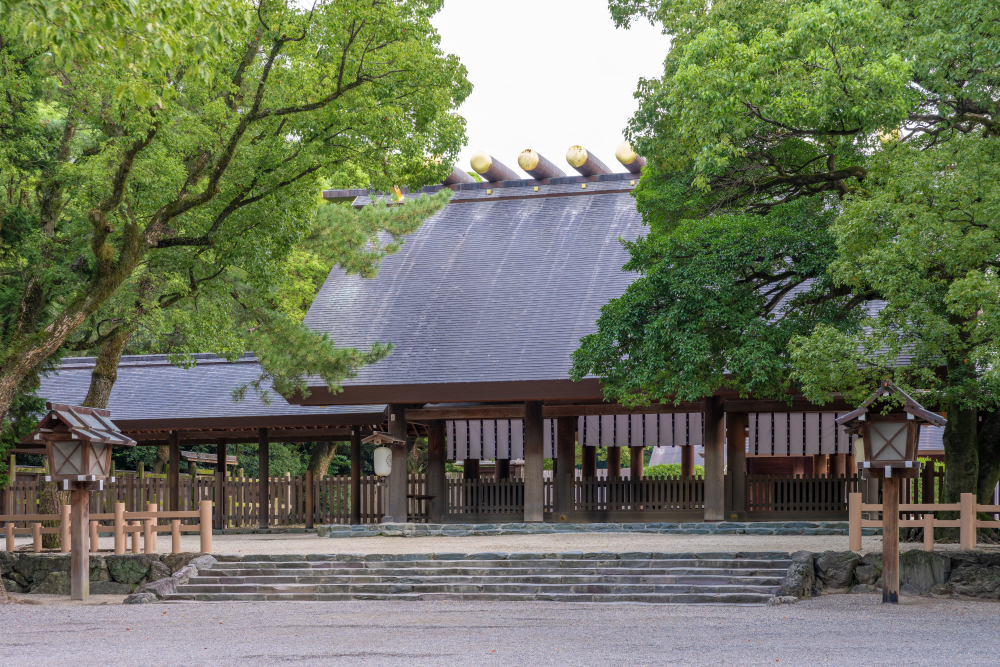
Atsuta-jingu Shrine – Photo Credit: yu_photo
Atsuta-jingu Shrine
Atsuta Shrine feels like stepping into a different dimension entirely. While Nagoya hums with urban life, this shrine sits quietly within a dense forest, its atmosphere thick with history and spiritual weight. It’s believed to house the legendary Kusanagi no Tsurugi, one of Japan’s three imperial treasures. You won’t see the sword; it’s never publicly displayed, but its presence alone elevates the shrine’s importance. This is not just a local place of worship; it’s a site tied deeply to Japan’s mythology and imperial history.
Walking through the shrine grounds is an experience in itself. The gravel crunches softly under your feet, and towering trees filter the sunlight into gentle beams. There’s a stillness here that feels intentional, almost designed to slow you down. You’ll pass smaller sub-shrines, each with its own purpose: love, health, success, where locals stop to pray quietly.
One of the most fascinating aspects is how alive the shrine still is. You might witness a traditional wedding procession: a bride in white kimono, attendants moving slowly, priests chanting softly. It doesn’t feel staged; it feels like a living tradition continuing uninterrupted for centuries. Don’t rush this place. Sit for a while, listen to the wind in the trees, and let the calm sink in. It’s one of those rare travel moments where doing “nothing” becomes the highlight.
Address: 1 Chome-1-1 Jingu, Atsuta Ward, Nagoya, Aichi 456-8585
Opening Hours: Open 24 hours
Admission: Free
Website: https://www.atsutajingu.or.jp/
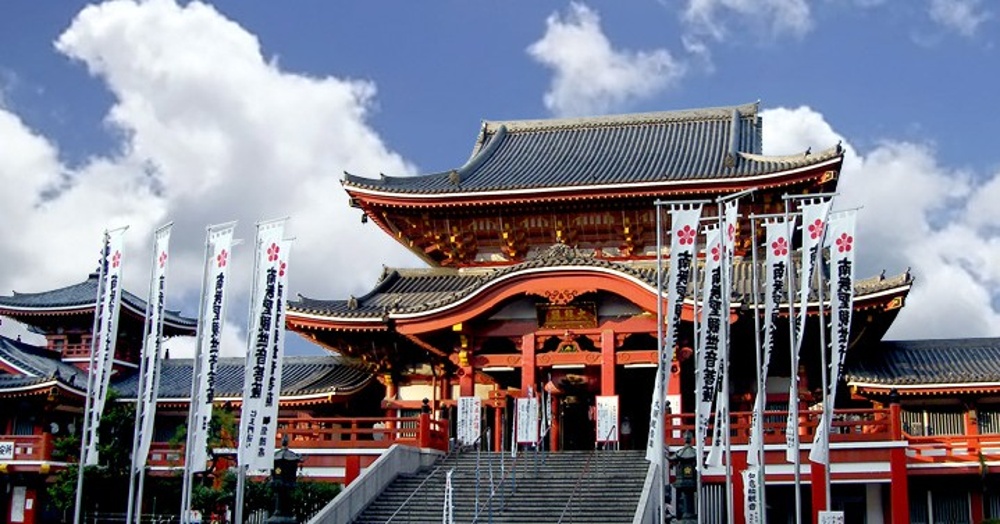
Osu Kannon – Photo Credit: Osu Kannon
Osu Kannon and Shopping Street
Osu Kannon and the surrounding shopping district offer a completely different energy; this is Nagoya at its most alive, messy, and fun. The temple itself is bold and colorful, with a giant red lantern hanging at the entrance and pigeons gathering in the square. Inside, you’ll often find people drawing fortunes or tossing coins before saying a quick prayer. It’s lively rather than solemn, and that sets the tone for everything around it.
Step out of the temple, and you’re immediately pulled into the Osu Shopping Street, a maze of covered arcades that feels like a mash-up of Tokyo’s Harajuku and a traditional market. One minute you’re passing a centuries-old shop selling incense, and the next you’re in a neon-lit store packed with anime figures and retro video games.
Food is a huge part of the experience here. The smell of sizzling street snacks fills the air: takoyaki, karaage, sweet crepes, and it’s almost impossible not to stop every few minutes to try something new. This is also one of the best places in Nagoya to experience youth culture: cosplay, indie fashion, and quirky subcultures all collide here. It’s chaotic, yes, but in a way that feels joyful rather than overwhelming. You don’t visit Osu with a plan; you just wander and let it surprise you.
Address: 2 Chome-21-47 Osu, Naka Ward, Nagoya, Aichi 460-0011
Opening Hours: 6 am – 7 pm
Admission: Free
Website: https://www.osu-kannon.jp/

Automobile Pavilion in Toyota Commemorative Museum – Photo Credit: TCMIT
Toyota Commemorative Museum
Toyota Commemorative Museum of Industry and Technology is one of those places that sounds niche, but ends up being unexpectedly fascinating. Before Toyota became a global automotive giant, it started as a textile machinery company. This museum tells that story in a way that feels hands-on and human. You’re not just reading panels; you’re watching machines run, threads weave, and systems come to life.
The building itself is part of the experience: a preserved red-brick factory that gives you a sense of Japan’s industrial past. Inside, you’ll see everything from early looms to modern robotic arms assembling car parts with incredible precision. What really stands out is the philosophy behind it all: continuous improvement, craftsmanship, and efficiency. These ideas, central to Toyota’s success, are explained through real demonstrations rather than abstract concepts. Even if you don’t care about cars, you’ll likely leave with a new appreciation for how things are made and how much thought goes into the systems behind everyday objects.
Address: 〒451-0051 Aichi, Nagoya, Nishi Ward, Noritakeshinmachi, 4 Chome−1−35 産業技術記念館内
Opening Hours: 9:30 am – 5 pm (Closed on Mondays)
Admission: Adults ¥1,000, Seniors (+65) ¥600, Children ¥300 (Check all the prices here)
Website: https://www.tcmit.org/english/

Spirited Away in Ghibli Park – Photo Credit: Ghibli Park
Ghibli Park
Ghibli Park is not your typical theme park, and that’s exactly why it’s so special. Inspired by the films of Studio Ghibli, it’s designed as a place you explore, not rush through. There are no roller coasters, no loud attractions. Just carefully crafted environments that feel like they’ve been lifted straight from films like My Neighbor Totoro and Spirited Away. You can walk through Satsuki and Mei’s house, open drawers, peek into rooms, and feel like the characters just stepped out for a moment.
The park is spread across a large natural area, so you’re constantly moving between indoor exhibits and outdoor landscapes. Forest paths, hidden corners, and whimsical buildings create a sense of discovery, and you never quite know what you’ll find next.
What makes it truly magical is the attention to detail. Every object feels intentional, every space tells a story. It’s less about spectacle and more about emotion: nostalgia, wonder, curiosity. This is a place where adults often feel like kids again, and kids feel like they’ve entered a dream.
Address: 〒451-0051 Aichi, Nagoya, Nishi Ward, Noritakeshinmachi, 4 Chome−1−35 産業技術記念館内
Opening Hours: 10 am – 5 pm (weekdays), 9 am – 5 pm (weekends). Closed on Tuesday
Admission: Adults ¥7,800, Children ¥3,900 (Check all the prices and purchase here)
Website: https://ghibli-park.jp/en/
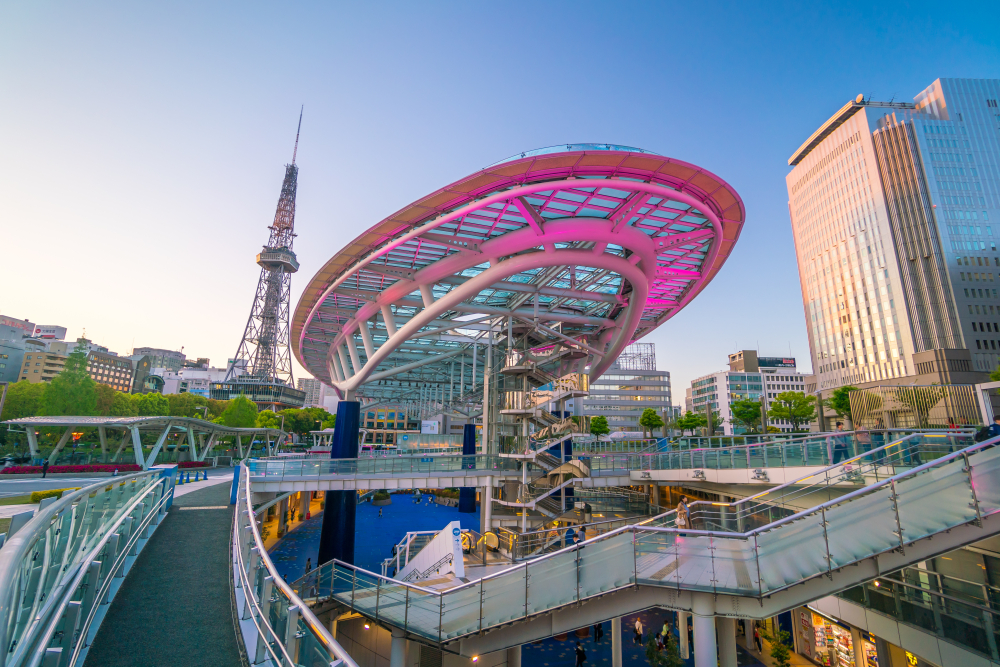
Oasis 21 and Mirai Tower – Photo Credit: f11photo
Oasis 21 and Mirai Tower
Oasis 21’s most striking feature is its “Spaceship-Aqua,” a glass roof filled with water that reflects the sky during the day and glows at night. You can walk along its perimeter, looking down at the city while feeling like you’re on some kind of floating platform. Below, the complex houses shops, restaurants, and a bus terminal, making it both a functional space and an architectural statement. It’s a place where design and everyday life blend seamlessly.
Just steps away, Mirai Tower rises above the skyline. From its observation deck, you get a panoramic view of Nagoya, a city that stretches outward in all directions, dotted with lights and movement. At night, the tower itself becomes part of the show, illuminated in changing colors. This area is especially beautiful after sunset, when everything comes alive with light and reflection. It’s the perfect way to end a day in the city.
Oasis 21
Address: 1 Chome-11-1 Higashisakura, Higashi Ward, Nagoya, Aichi 461-0005
Opening Hours: 6 am – 11 pm
Admission: Free
Website: https://www.sakaepark.co.jp/en/
Mirai Tower
Address: 3 Chome-6-15先 Nishiki, Naka Ward, Nagoya, Aichi 460-0003
Opening Hours: 10 am – 9 pm
Admission: Adults ¥1,300, Children ¥800
Website: https://www.nagoya-tv-tower.co.jp/
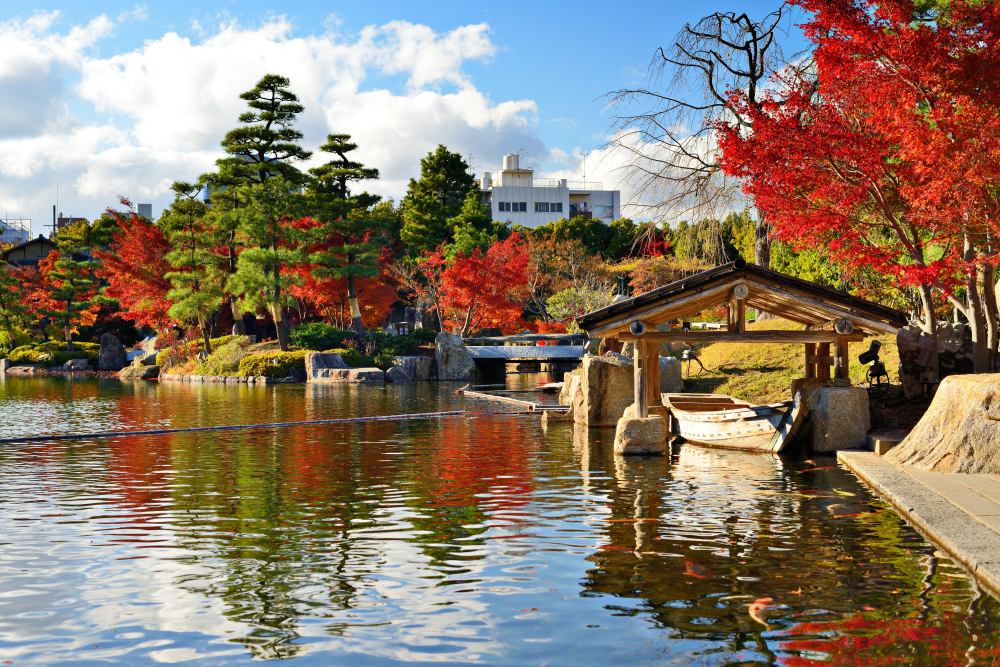
Tokugawa Garden – Photo Credit: ESB Professional
Tokugawa Garden and Museum
Tokugawa Garden is a masterclass in controlled beauty. Unlike wild nature, everything here is carefully designed, yet it still feels organic and calming. The garden is built around a central pond, with walking paths that reveal new perspectives at every turn. Waterfalls, bridges, and seasonal plants create a constantly changing landscape. In autumn, the colors are especially breathtaking, with reds and oranges reflecting on the water.
Next door, the Tokugawa Art Museum offers a deeper dive into history. You’ll find samurai armor, weapons, and personal items from the Tokugawa family, giving context to the world you just saw represented in the garden. Together, they create a quiet, reflective experience, one that contrasts beautifully with the energy of the rest of the city.
Address: 1001 Tokugawacho, Higashi Ward, Nagoya, Aichi 461-0023
Opening Hours: 9:30 am – 5:30 pm
Admission: ¥640
Website: https://www.tokugawaen.aichi.jp/english/index.html
Nagoya isn’t a place that reveals itself instantly. It’s a city you grow into, one where history, industry, and imagination coexist in subtle ways. From golden castles to anime forests, from sacred shrines to neon-lit streets, it offers a little bit of everything without ever feeling overwhelming. And honestly, that balance is what makes it unforgettable. So why don’t you give it a chance?
Featured Photo Credit: f11photo
For a great place to stay whilst exploring the city, make sure to check out our good friend and partner Nikko Style Nagoya, which you can learn more about from our interview with them. And if you need any help planning your trip around Nagoya, don’t hesitate to reach out to our Tailored Travel team!
Book your pocket wifi now to stay connected through your entire Japan Journey!

Be sure to get the JR Pass to make navigating Japan during your trip that much easier!
YOU MIGHT ALSO LIKE


