A TEA CEREMONY CELEBRATING WINTER’S DEPTHS: YOBANASHI 夜話
Dec 20, 2025
BY Jamie Kruse
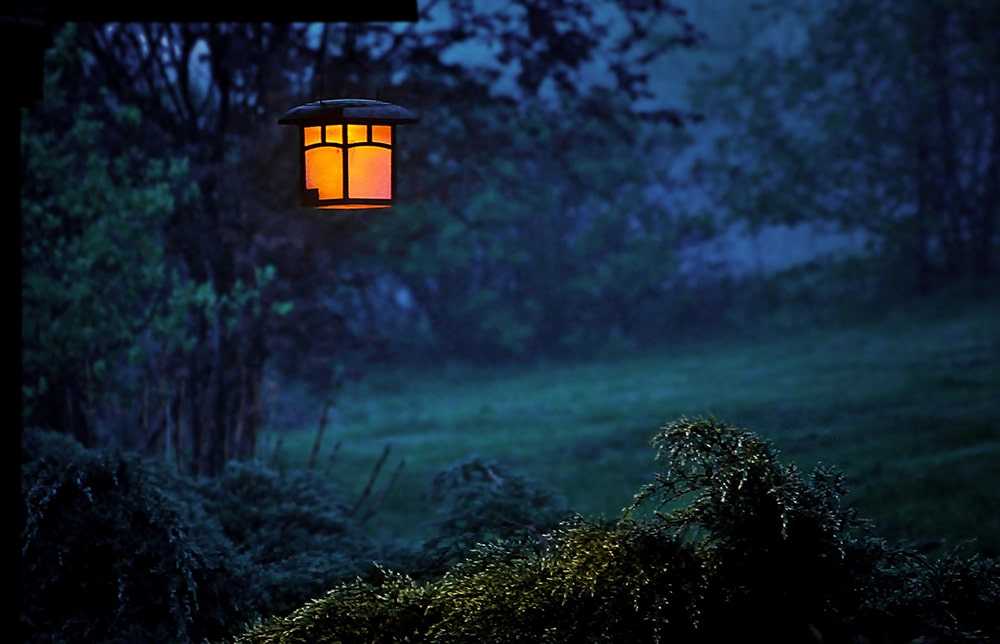
If you’re reading this post in late winter and happen to be in Tokyo, today you’ve enjoyed fewer than 10 hours of daylight. Where I’m writing from, mid-Coast Maine, the sun sets very early, at an alarming 4:30 pm, offering up fewer than 9 hours of light, leaving more than 14 hours of the day steeped in darkness. During these short days, I look to Japanese tea culture, as I do for almost all of life’s challenges, for a way to turn a seasonal challenge into an opportunity to more fully appreciate and directly experience the changing rhythms of the planet.
Japanese tea culture offers a treasure trove of history and adaptation for celebrating seasonal shifts, including the specific time of day — such as long winter nights. One of the best poised to offer winter solace is yobanashi. Translating as “night talk, this popular tradition is a tea ceremony or gathering that is held intentionally during the darkest time of the winter season. Yobanashi is traditionally staged between November and February, when the days are shortest and one of the most popular times is late December, when the event can align with the longest night of the year, the winter solstice.
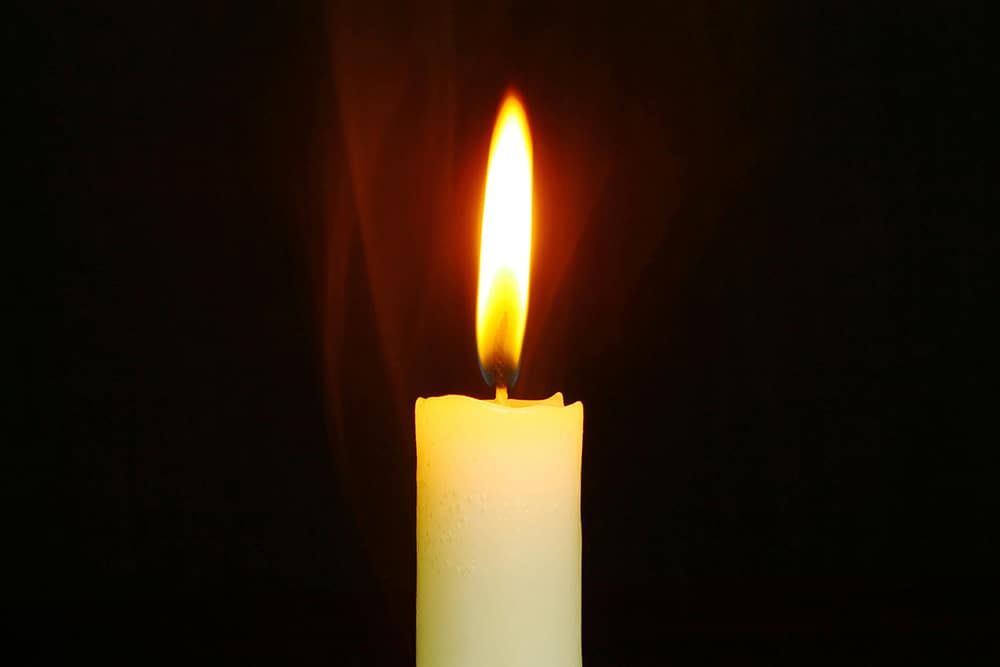
Candlelight is the primary source of lighting during yobanashi – Photo Credit: Pixabay
Winter tea events often include a seasonal kaiseki meal highlighting seasonal ingredients, along with thick and thin tea. Yobanashi can begin as early as 5 pm since the sun has already fully set by this time. Lanterns or candles are often used to light the path to the teahouse through the darkness of the night.
Holding a winter tea ceremony might be one of the most magical and serene ways to attune to this distinct season. An intimate tea gathering, held by candlelight, can be a restful antidote in a world over-lit by electric lights, incoming news and a time of year that many people find increasingly hectic as the year winds down. Yobanashi is also a great way to enjoy, rather than resist, the short dark days while deepening one’s tea practice.
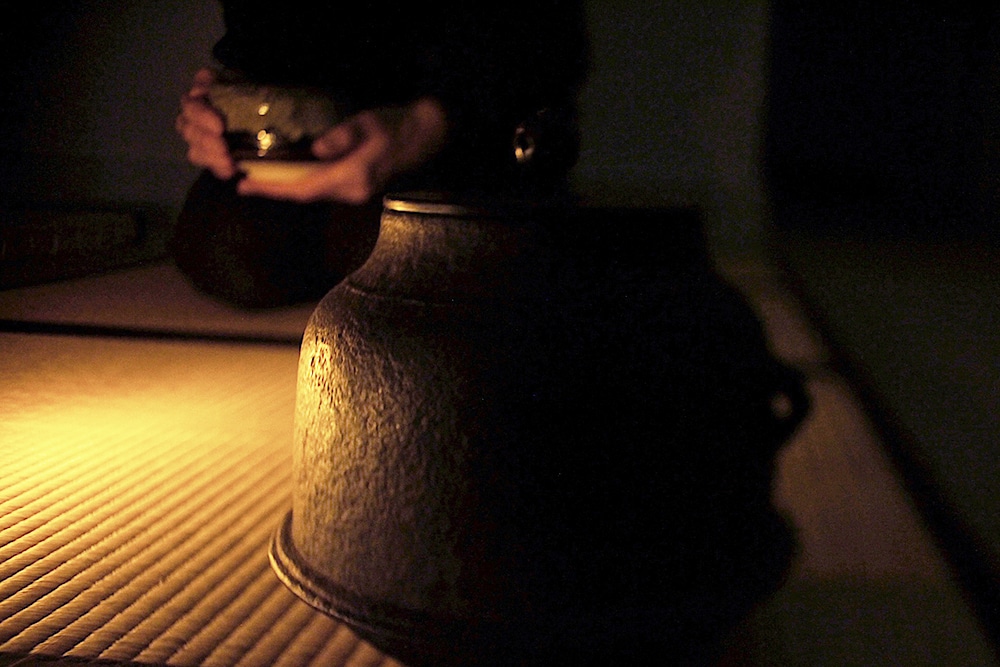
Yobanashi, winter night tea – Photo Credit: Elizabeth Ellsworth
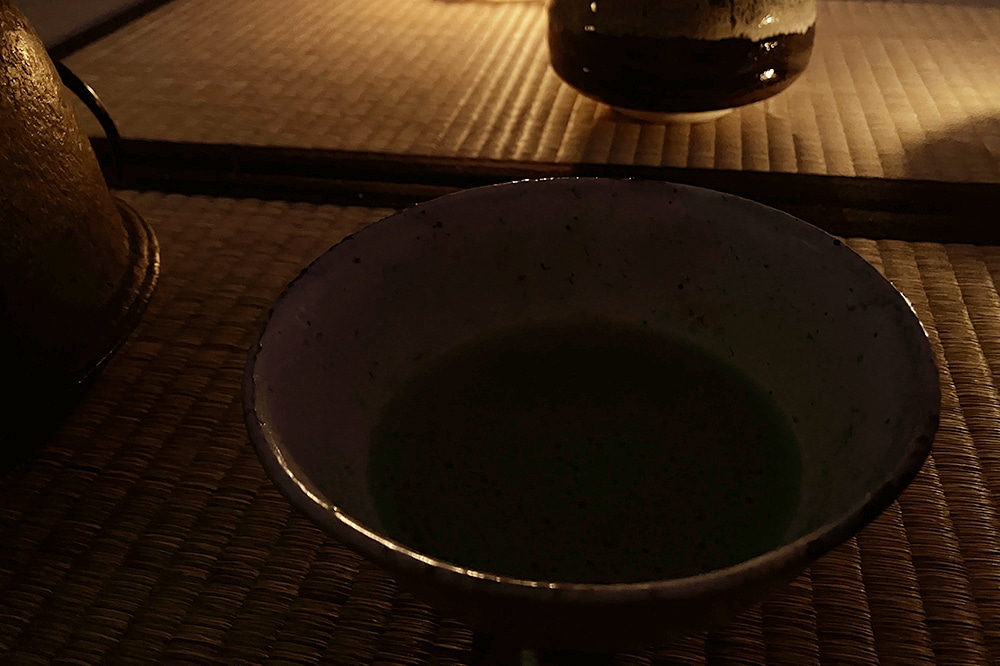
Chawan by candlelight – Photo Credit: Jamie Kruse/smudge studio
Though yobanashi can include many of the same details that a daylight winter tea ceremony includes, such as a sunken hearth, seasonal arrangements of charcoal, and sweets intentionally selected for the winter. There is also a bit of creativity required in deciding on a scroll or any decorations used, which are often simple and spare, and can still be savored in the soft glow of candlelight.
In preparation for attending or staging a yobanashi, readers might enjoy revisiting Japanese literary heavyweight, Juichiro Tanazaki’s, treatise on darkness, In Praise of Shadows. The slim book is a homage to appreciating darkness and details how so many aspects of traditional Japanese culture (in his opinion) can only be deeply experienced in low light. As Tanizaki writes admiringly of alcoves, “I marvel at our comprehension of the secrets of shadows, our sensitive use of shadow and light… when we gaze into the darkness that gathers behind the crossbeam, around the flower vase, beneath the shelves, though we know perfectly well it is mere shadow, we are overcome with the feeling that in this small corner of the atmosphere there reigns complete and utter silence; that here in the darkness immutable tranquillity holds sway.” (Tanizaki, 1977, p. 20).
Slow and dark, yobanashi can be a beautiful “yin” counterpoint to the more energetic and brightly illuminated hatsugama (lit. “first kettle”) ceremonies that typically happen in early January (usually the 1st), and exuberantly celebrate the opening of a new year.

Brilliant night sky – Photo Credit: Olga Lioncat
Even if you’re not able to attend a formal yobanashi ceremony in Japan this year, the concept can still inspire anyone to create their own adaptation. Why not create an occasion to invite a few special guests over and linger in the fleeting darkness of winter together? The cold weather heightens the enjoyment of a hot bowl of tea, and the time shared with friends in the quiet, dim light after the sun sets honors this festive time of year. Happy holidays and long winter nights!
Featured Photo Credit: Pixabay
Interested in visiting Tokyo during the winter to try this unique tea ceremony? Don’t forget to check out our Recommended Winter Tours to add on to your trip while you’re here!
PIN THIS FOR LATER
Book your pocket wifi now to stay connected through your entire Japan Journey!

Be sure to get the JR Pass to make navigating Japan during your trip that much easier!
YOU MIGHT ALSO LIKE