ALL ABOUT KAWADOKO: A Summer Dining Tradition
May 26, 2026
BY Maria Diaz
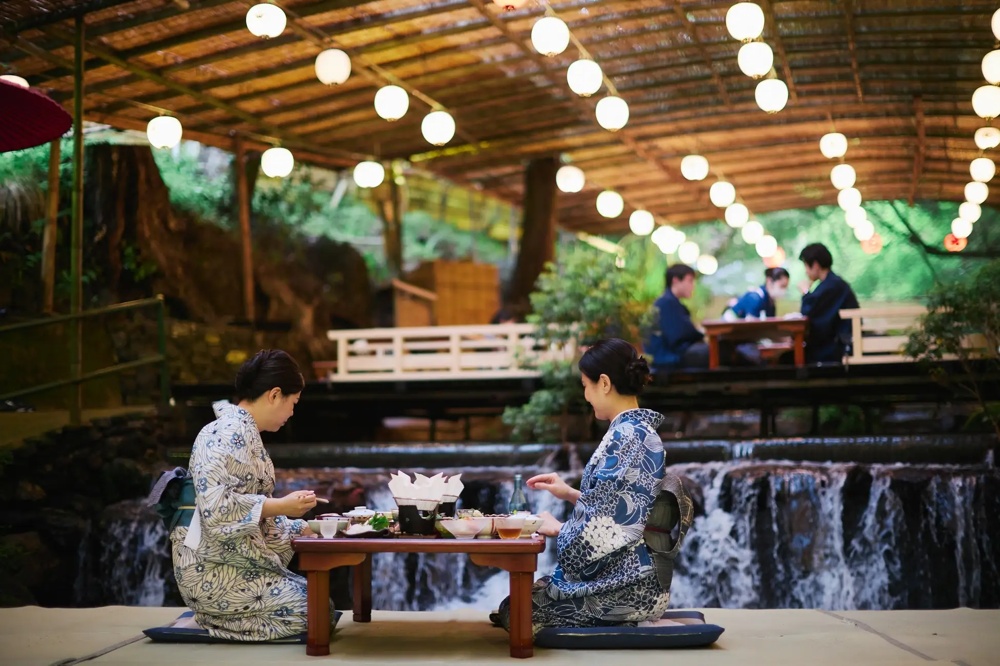
Summer in Kyoto… that intense, humid heat you only get in a city surrounded by mountains. It can feel pretty overwhelming, right? But thanks to that very heat, Kyoto created one of its most magical summer traditions: kawadoko. If you’ve been avoiding it thinking “It’s probably too expensive,” or “The etiquette sounds complicated”, you might be missing out on one of the best experiences the city has to offer! In this guide, we’ll walk you through the basics of kawadoko so you can enjoy it with confidence, and maybe even become a true kawadoko expert.
What is a kawadoko?
Can you imagine dining right above a flowing river on a warm summer evening? In Japan, you don’t have to imagine it because it’s a real seasonal tradition. This experience is called a kawadoko, a seasonal dining platform built over or beside a river, where restaurants set tables outdoors to take advantage of the cool breeze and soothing sound of water. Most famous in Kyoto during the hot summer months, these wooden terraces create a magical atmosphere: lanterns glowing softly, seasonal dishes arriving one after another, and the river murmuring beneath your feet. A meal on a kawadoko feels like enjoying the best of summer without suffering from the heat.
The Japanese word kawadoko (川床), which refers to riverside dining platforms, can actually be read in different ways depending on where you are. In Kyoto, you’ll often hear two pronunciations: kawayuka (yuka) and kawadoko. The terraces along the Kamo River in central Kyoto are usually called kawayuka, while the platforms in mountain areas such as Kibune, Takao, and Takagamine are typically known as kawadoko. None of these names are more correct than the others, they simply reflect local traditions.
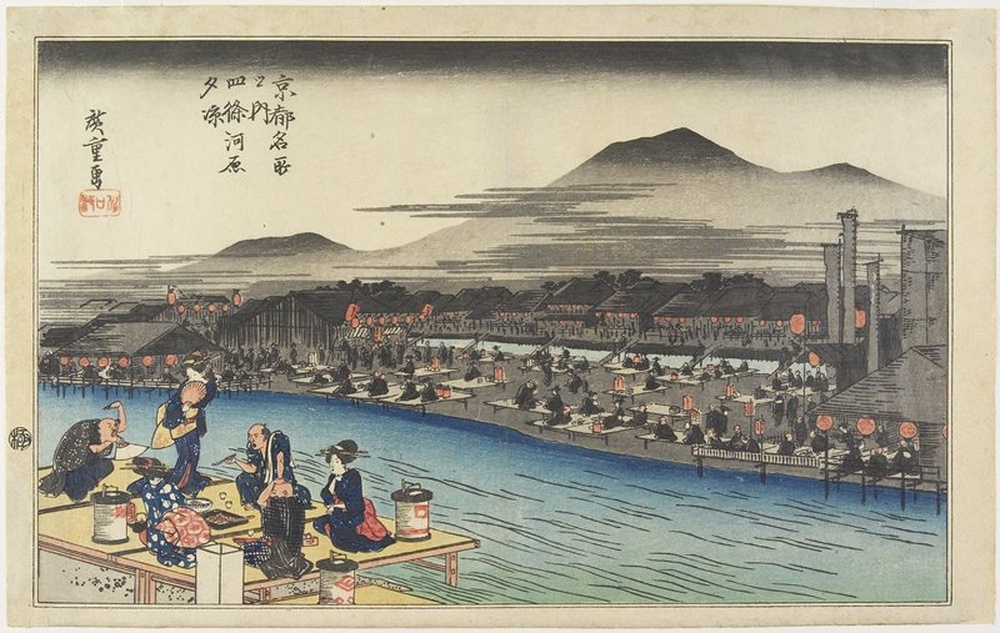
Utagawa Hiroshige’s Kawadoko Ukiyo-e – Photo Credit: Ukiyo-e
A quick look back at kawadoko
The story of kawadoko began centuries ago, with a simple idea: how do you stay cool during Kyoto’s famously hot and humid summers? Long before air conditioners existed, people discovered a wonderfully natural solution: eat beside the river. During the Edo period (1603-1868), tea houses and restaurants began building wooden platforms along the water so guests could enjoy the cool breeze rising from the river while they dined. The gentle sound of flowing water, the shade, and the fresh air created the perfect summer escape.
In central Kyoto, along the Kamo River (Kamogawa), these seasonal terraces became known as kawayuka (or just yuka). Restaurants built wooden decks stretching toward the river, transforming the riverside into a lively summer dining scene.
Further north in the mountains, the tradition took on a slightly different form in Kibune. Here, the platforms keep the original name kawadoko and are built directly above a cool mountain stream. The water flows just beneath the dining tables, creating an incredibly refreshing atmosphere.
What started as a practical way to beat the heat eventually became one of Kyoto’s most beloved seasonal traditions. Every summer, restaurants carefully rebuild their platforms once again, continuing a centuries-old ritual that blends nature, food, and the simple joy of dining by the water.
Which one should I choose?
Not all kawadoko experiences are the same, and the first question locals often ask is: Where are you going? In Kyoto, two famous places offer riverside dining platforms, but the atmosphere, setting, and even the name of the experience can be quite different.
The kawayuka along the Kamo River in the Sanjo-Shijo area are a great choice if you want to stay close to Kyoto’s city center while enjoying a lively atmosphere filled with cafés, bars, and the glow of the city’s nightlife. If you’re looking for something quieter, more refreshing and something that feels more traditional, the areas of Kibune or Takao offer a very different (and often more unforgettable) experience. But keep in mind that, since these areas are surrounded by forest and flowing water, the temperature can be several degrees cooler than downtown.
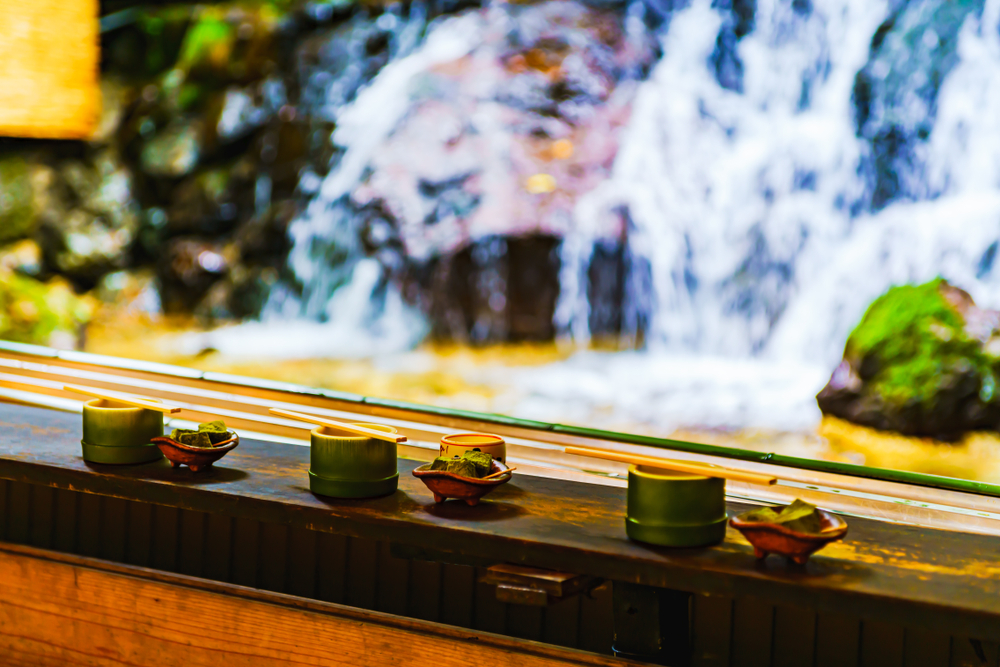
Nagashi Somen at a Kawadoko in Kyoto – Photo Credit: show999
When should I go?
Kawadoko are a seasonal tradition, so timing matters. These riverside dining platforms usually appear during the warmest months of the year, when people are looking for relief from the summer heat. Most kawadoko open from May to September, though the exact dates can vary slightly depending on the location and the restaurant.
Along the Kamo River, the city’s famous yuka terraces are typically set up throughout this entire period. Early summer evenings in May and June are especially pleasant, with comfortable temperatures and long daylight hours. July and August bring the full summer atmosphere, lanterns glowing at night, lively restaurants, and the buzz of Kyoto’s seasonal events.
In Kibune, the kawadoko season also runs through the summer, but the experience feels a bit different. Because the village sits in the mountains, it stays noticeably cooler than the city. Even in the middle of August, the temperature can feel refreshing thanks to the shaded forest and the cold stream flowing beneath the dining platforms, so this could be a great option if you’re looking to escape from the heat of the summer.
Some places also offer this experience until autumn, so if you’re someone who can’t stand the heat or you’re planning to visit Japan in the autumn, we have a few recommendations for you below.
Some recommendations
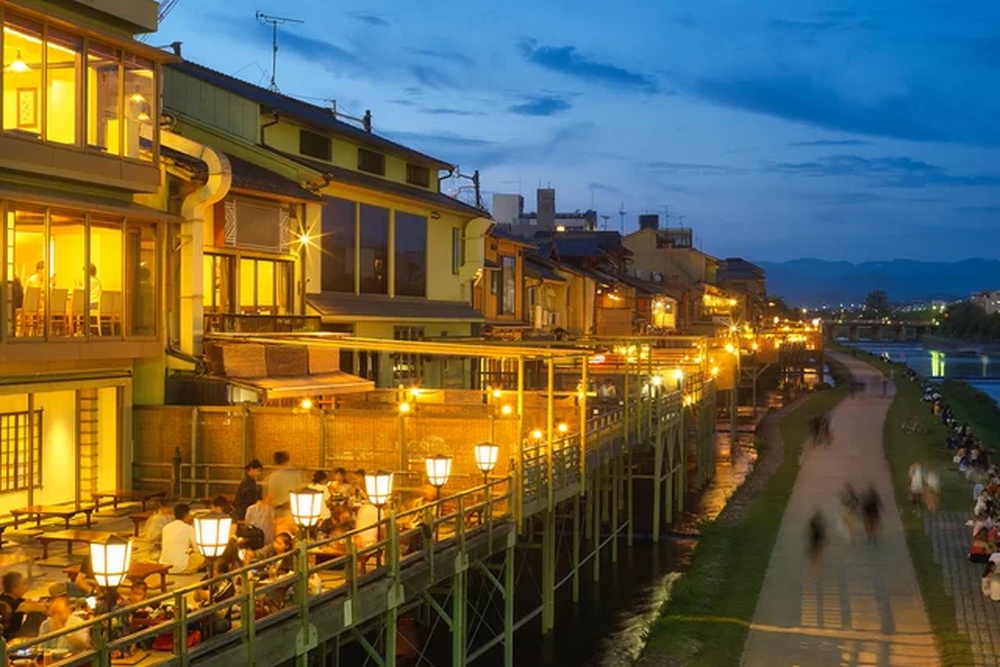
Yuka at Kamo river – Photo Credit: Travel Book
Kamogawa Nouryou-yuka (Kyoto City)
When you think of kawayuka, this is probably the first place that comes to mind. Along the Kamo River in Kyoto, dozens of restaurants set up seasonal outdoor terraces, creating one of the most iconic summer dining scenes in the city. From around May to mid-October, these wooden platforms extend from restaurants in areas like Pontocho and Kiyamachi toward the river, offering diners a breezy escape from Kyoto’s summer heat. Here you can enjoy everything from traditional Kyoto cuisine and kaiseki to more casual dishes while overlooking the gently flowing river below. So if you really want to experience what it’s like to dine on one of these famous kawayuka, simply choose the restaurant you like, make a reservation, and enjoy the moment when the day arrives!
Address: 489 Matsumotocho, Nakagyo Ward, Kyoto, 604-8013
Website: https://yuka-kyoto.com/
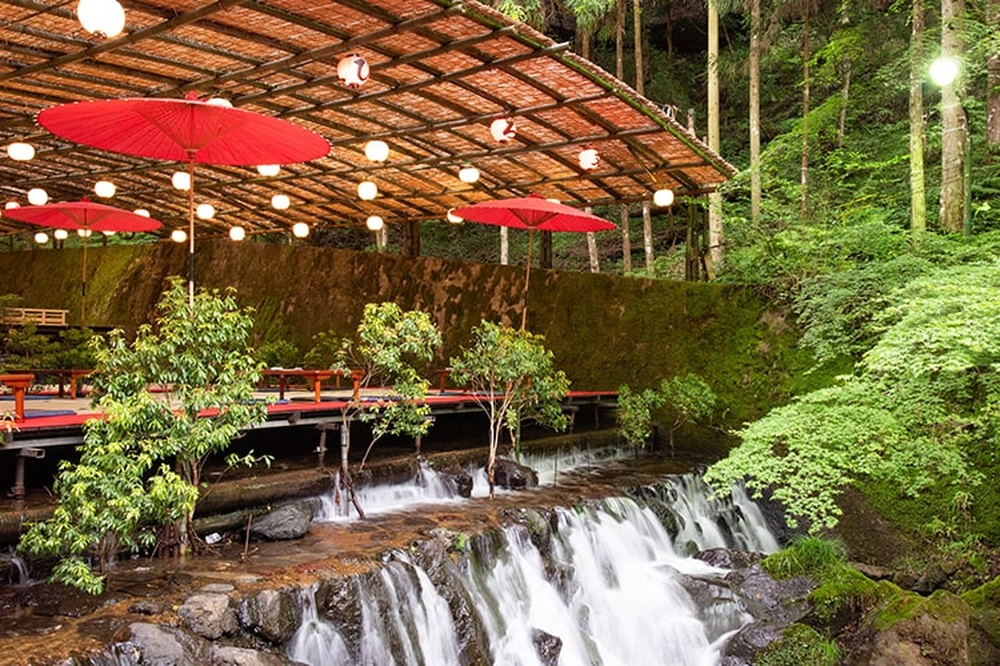
Hirobun’s kawadoko – Photo Credit: Hirobun
Hirobun (Kyoto City)
One of the most famous places to experience kawadoko dining in Kibune is the charming restaurant and ryokan Hirobun. Tucked into the forested valley north of Kyoto, Hirobun’s wooden platforms are built directly above the clear waters of the Kibune River, creating a dining experience that feels refreshingly close to nature. The restaurant is especially known for its playful summer specialty, nagashi somen, where thin noodles flow down bamboo flumes filled with cold water and diners catch them with chopsticks before dipping them in broth.
Alongside this fun seasonal treat, Hirobun also serves traditional Kyoto-style kaiseki meals on its riverside platforms. These multi-course dinners are typically offered in three tiers; Matsu (松), Take (竹), and Ume (梅) named after the classic Japanese ranking system Shō-Chiku-Bai (pine, bamboo, and plum), which represents different levels of the same elegant dining experience, so keep in mind that depending on the level you choose, you could also sit in a different place. Make sure to make a reservation here.
Time: Lunch (13:00 – 15:00) Dinner (17:00 – 19:00)
Price: ¥22,000 – ¥41,000
Address: 87 Kuramakibunecho, Sakyo Ward, Kyoto, 601-1112
Website: https://hirobun.co.jp/
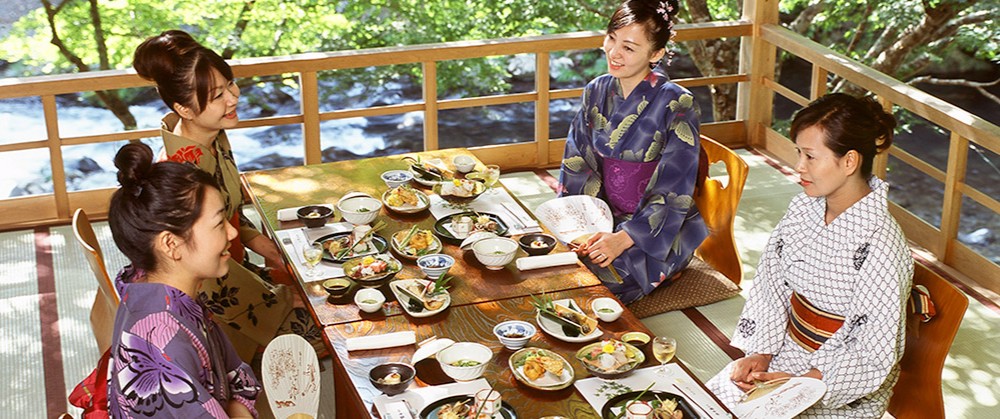
Women enjoying the Shokado bento – Photo Credit: Kinsuitei
Kinsuitei (Kyoto City)
If you’re looking for a beautiful kawadoko experience away from the crowds of central Kyoto, Kinsuitei in Takao is a fantastic option. This traditional Japanese restaurant sits along the clear Kiyotaki River. While enjoying carefully prepared Shokado Bento made with seasonal ingredients, you’ll be surrounded by lush forest and the soothing sound of the river below, making it a perfect escape from the summer heat. The area is usually a few degrees cooler than downtown Kyoto, so dining here feels especially refreshing. In October, there’s not only a change of season but also a change in the menu. For two months, you can enjoy delicious Kyo-kaiseki cuisine while admiring the beautiful Japanese momiji. Sounds amazing, right?
Date: May – September / October – November
Time: Lunch (11:30 – 15:00) Dinner (17:30 – 21:30)
Price: ¥6,000 – ¥13,000
Address: 40 Umegahata Tonohatacho, Ukyo Ward, Kyoto, 616-8293
Website: https://www.kinsuitei.com/en/
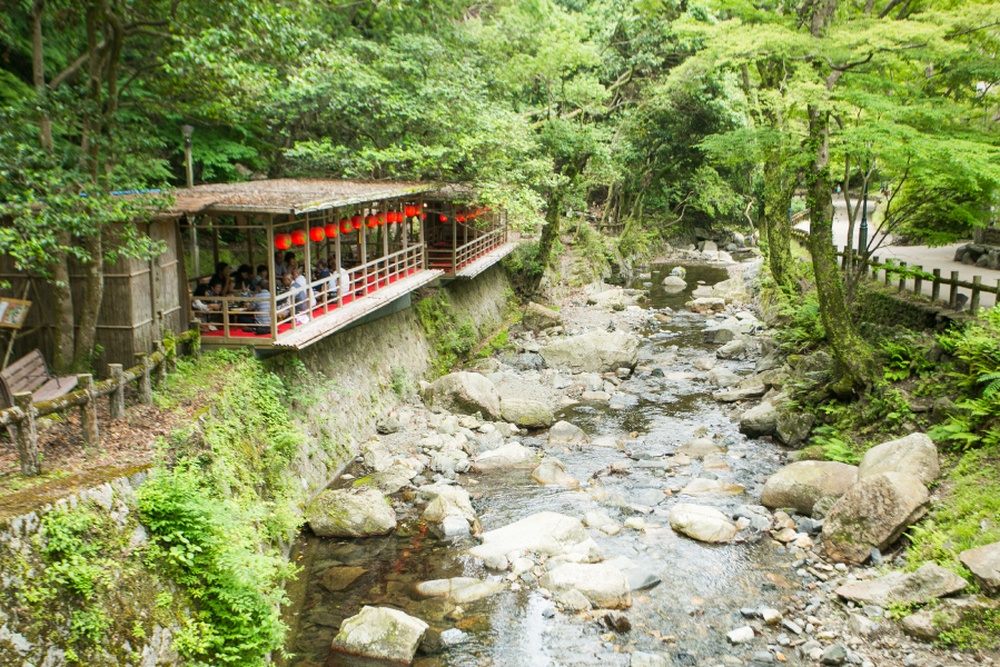
Minoh’s Kawadoko – Photo Credit: Isoyoshi
Isoyoshi (Minoh, Osaka Prefecture)
If you couldn’t visit a kawadoko in Kyoto (maybe it was too expensive or reservations were impossible to get), don’t worry, there’s a great alternative near Osaka. Isoyoshi Kawadoko in Minoh offers the same magical experience, but in a more relaxed and affordable setting. Surrounded by the lush nature of Minoh Park, you can enjoy delicious Japanese dishes while listening to the gentle sound of the water and feeling the cool breeze from the stream below. Another great thing about this kawadoko is that it stays open a little longer than many others. So if you visit during the momiji season, you can enjoy your meal while admiring the beautiful colors of the autumn leaves. After your meal, you can take a stroll and soak in the peaceful atmosphere and beautiful nature of this charming city. The only downside is that reservations are only accepted by phone; there’s no online booking.
Date: Mid-April – November~ (Check the website)
Time: 12:00 – 17:00~ (Check the website)
Price: ¥3,000 – ¥8,000
Address: 1-20 Minookoen, Minoh, Osaka 562-0002
Website: https://isoyoshi.com/ (in Japanese)
Phone number: 072-724-2477 / 090-8147-3421
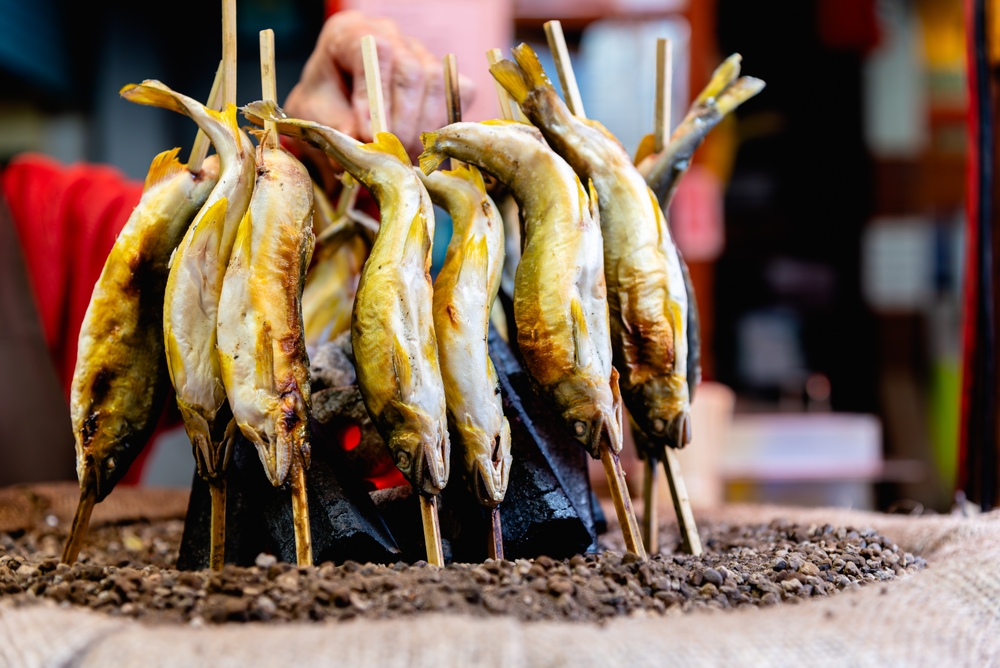
Grilled Ayu, a common delicacy at kawadoko restaurants – Photo Credit: Torjrtx
Tips for enjoying kawadoko dining
Before heading out to enjoy a kawadoko dinner, a few simple tips can help make the experience even better. First, be sure to make a reservation; popular restaurants often fill up weeks in advance, especially on weekends. It’s also a good idea to check the restaurant’s rain policy when booking, since most places will simply move guests indoors if the weather turns bad. If you’re visiting places like Kibune, consider bringing a light cardigan, as evenings by the river can feel surprisingly cool even in summer. When it comes to etiquette, aim for smart-casual attire (think of it like a nice date night), and if you’re wearing sandals, bring socks since some platforms use mats or tatami where food is served. Be mindful of others if smoking is allowed, and remember that the dessert course usually signals the end of a traditional kaiseki meal, making it the perfect time to ask for the bill. With just a little preparation and courtesy, you’ll be able to fully relax and enjoy one of Japan’s most unique dining traditions.
Few experiences capture Kyoto’s summer quite like dining on a kawadoko. With the gentle sound of the river below, glowing lanterns above, and beautifully prepared seasonal dishes, the atmosphere is both relaxing and unforgettable. If you visit Kyoto during the warmer months, setting aside an evening for this riverside tradition might just become the highlight of your trip.
Featured Photo Credit: PR Times
Looking for more ways to beat the heat on your Japan journey? Our selection of Summer Tours is a great way to stay cool while discovering Japan’s incredible food culture.
PIN THIS FOR LATER
Book your pocket wifi now to stay connected through your entire Japan Journey!

Be sure to get the JR Pass to make navigating Japan during your trip that much easier!
YOU MIGHT ALSO LIKE