A FRIENDLY GUIDE TO JAPAN’S WAGYU REGIONS
Feb 6, 2026
BY Maria Diaz
Wagyu has become shorthand for luxury beef across the world, but within Japan, this word carries a much deeper and more nuanced meaning. Wagyu simply translates to “Japanese cow,” yet behind lies a complex network of regional identities, bloodlines, feeding philosophies, and centuries-old traditions. Much like wine or cheese, wagyu is shaped by its regional character: climate, geography, and human craft working together. Understanding Japan’s wagyu regions reveals why no two wagyu experiences are ever quite the same. In today’s blog, we’re going to discover more about the delicious world of wagyu.
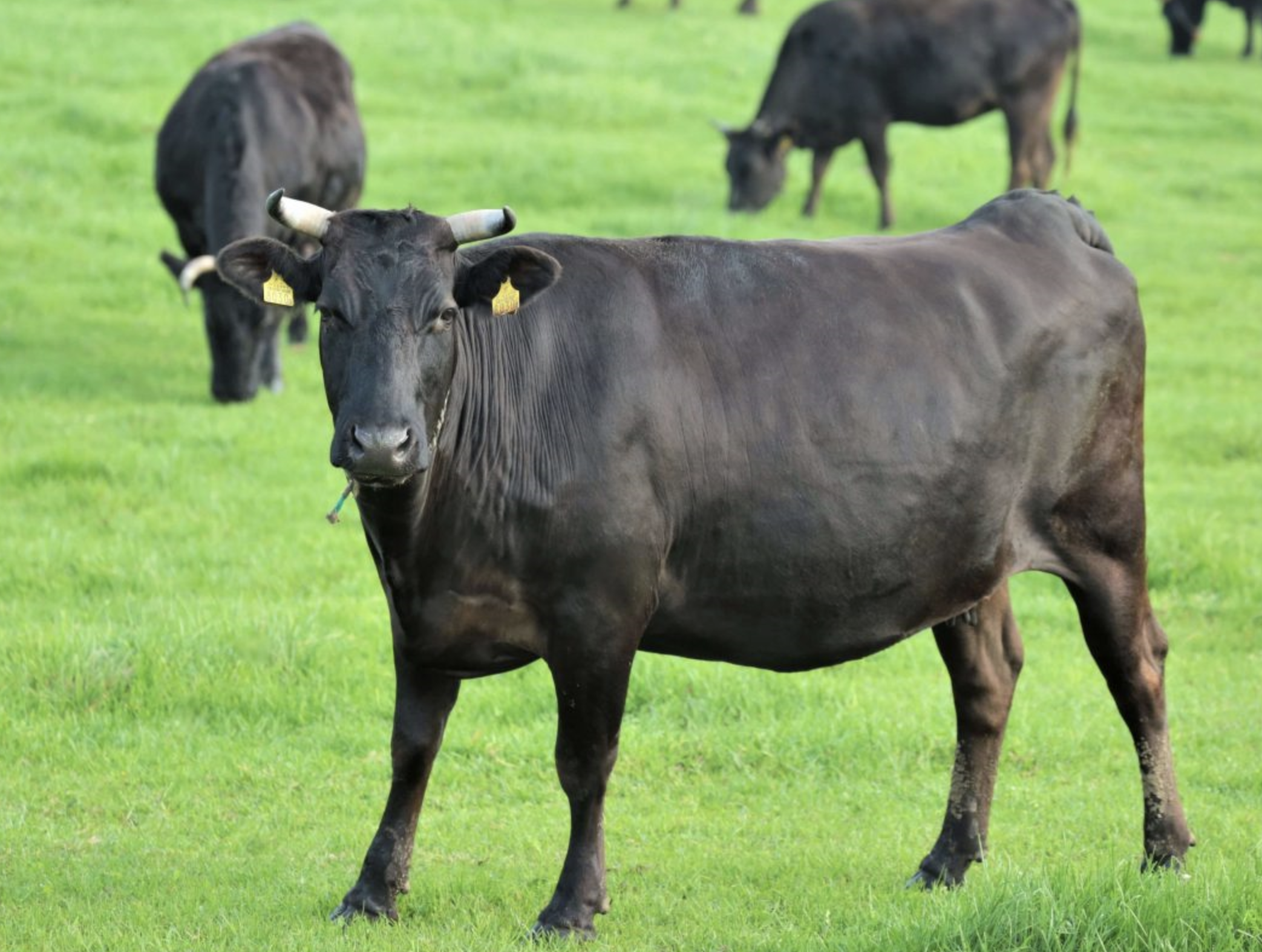
Kobe Cattle at Taga Farm – Photo Credit: Umashi
Wagyu beef characteristics
Wagyu beef stands out the moment you see it, thanks to its beautiful, snowflake-like marbling that runs evenly through the meat. But it’s not just about looks; this fine marbling is made of soft fat that melts at a much lower temperature than regular beef, giving wagyu its famous melt-in-your-mouth texture. Every bite feels incredibly tender, juicy, and smooth, with a natural sweetness and deep umami flavor that doesn’t need much help to shine. Unlike ordinary steak, wagyu delivers richness without heaviness, meaning it feels luxurious but never greasy. That unique balance of tenderness, flavor, and buttery mouthfeel is exactly why wagyu stands out from other meats. It’s not just beef, it’s an experience!
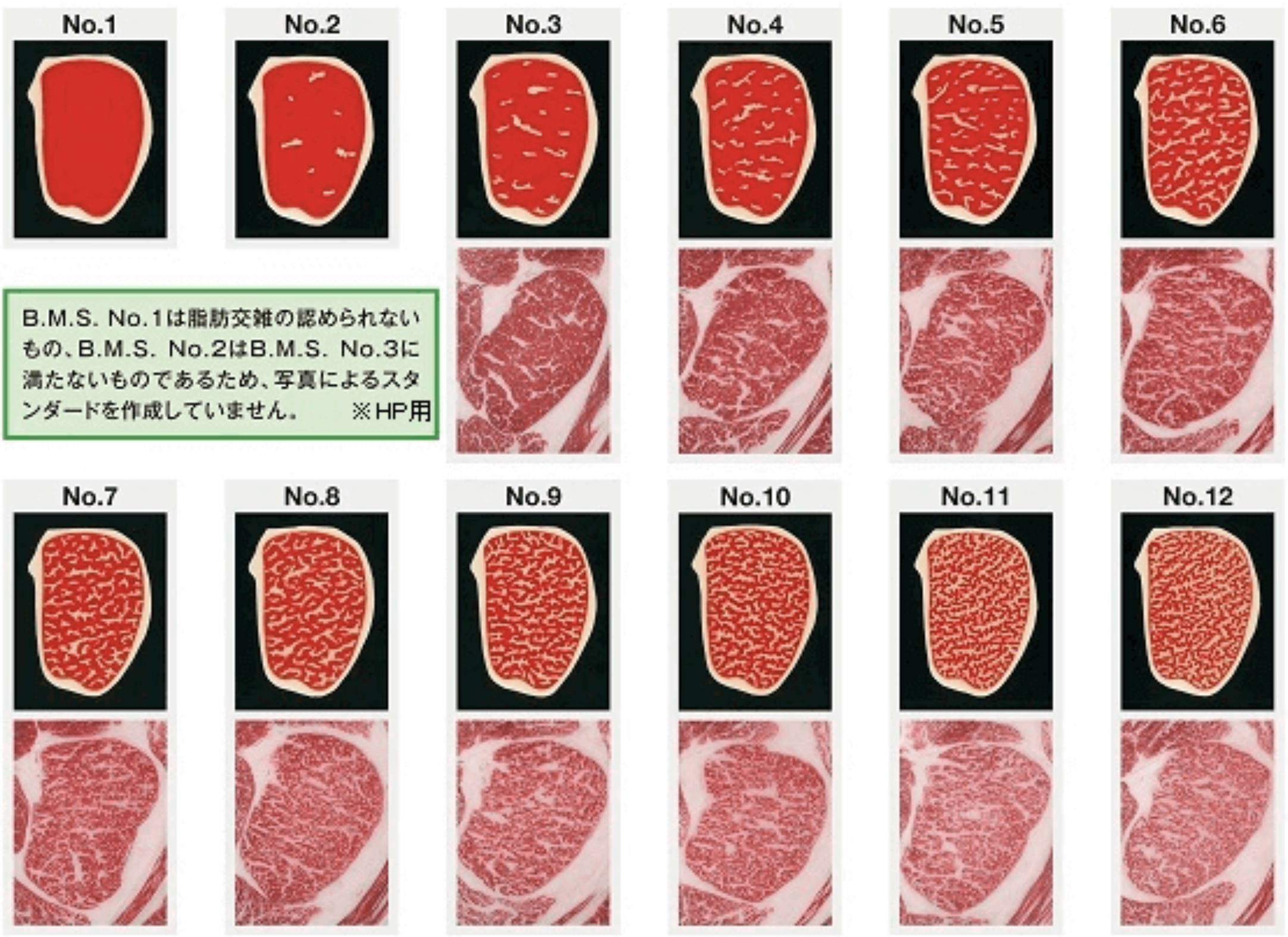
Beef Marbling Standard – Photo Credit: Japan Meat Grading Association
Marbled meat
Have you ever wondered what makes wagyu beef so different? Well, everything starts long before a piece of wagyu ever reaches your plate. True wagyu comes from specific Japanese cattle breeds (most famously Japanese Black, along with Japanese Brown, Shorthorn, and Polled) genetically known for their ability to develop fine, even marbling. This marbling isn’t forced; it happens naturally through careful breeding and time. Wagyu cattle are raised slowly on balanced diets and in low-stress environments, allowing fat to form gently within the muscle rather than around it. Wagyu is graded in Japan using a clear letter-and-number system that tells you exactly what to expect. The letter (A, B, or C) refers to meat yield, with A being the highest, while the number (1 to 5) reflects overall quality based on marbling, color, firmness, and texture. Marbling is measured separately using the Beef Marbling Standard (BMS), which runs from 1 to 12 and plays a major role in the final grade. Higher grades like A4 and A5 indicate richer marbling and greater tenderness, while lower grades offer a leaner, more beef-forward experience.
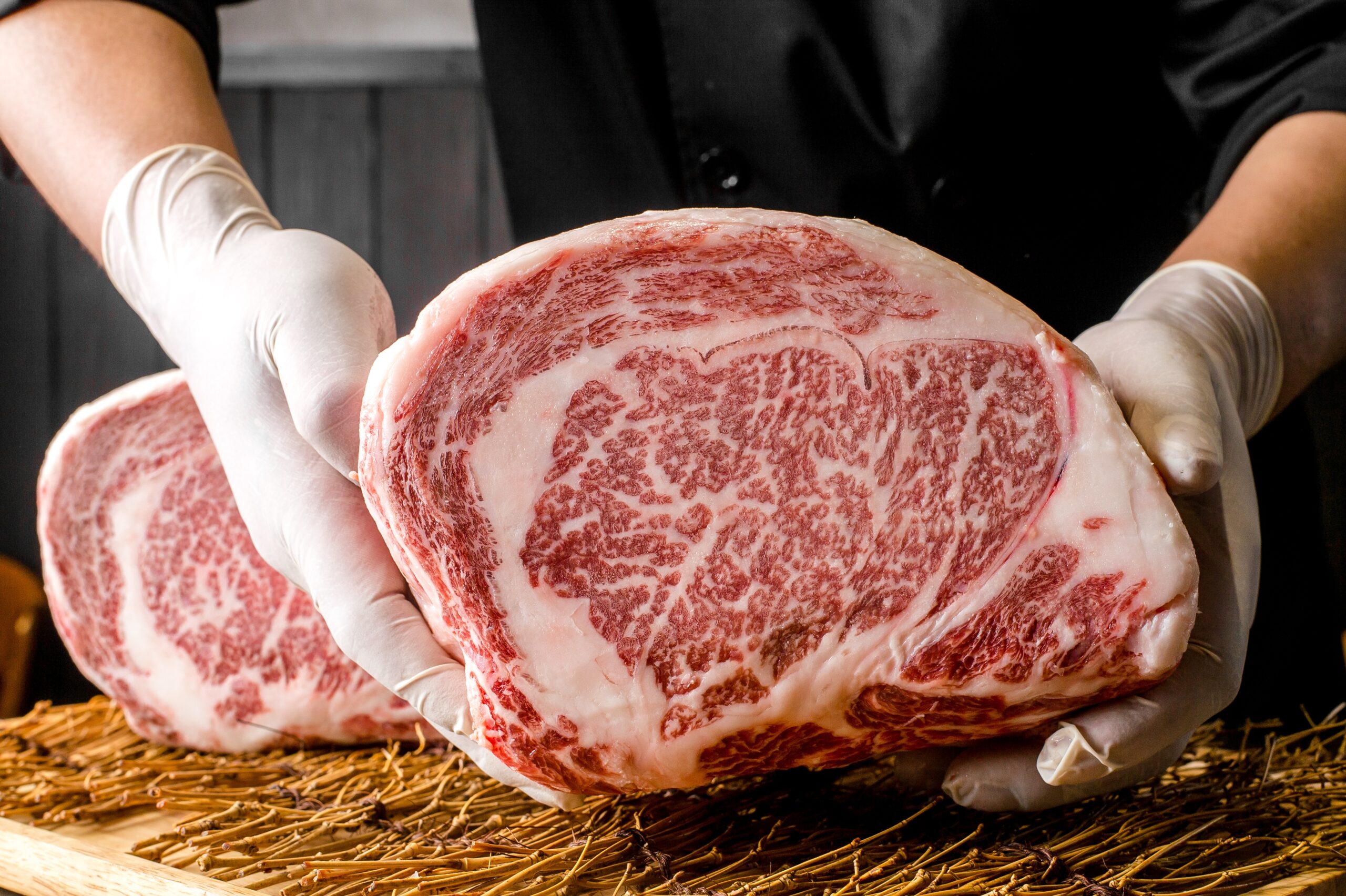
Wagyu beef with a beautiful marbling pattern – Photo Credit: Oakartphoto
Most popular wagyu regions
Kobe wagyu (Hyogo Prefecture)
Perhaps the most internationally recognized wagyu name, Kobe beef comes exclusively from Tajima-gyu cattle born, raised, and processed in Hyogo Prefecture. Strict certification standards govern everything from lineage to marbling scores. What makes Kobe unique is not just its richness, but its refinement. The fat melts at low temperatures, delivering sweetness and umami without heaviness. True Kobe beef is exceptionally rare (even within Japan), which only adds to its mystique. Be aware that not all beef labeled as Kobe is actually Kobe beef. An authentic one is always accompanied by an official certification, identifiable by a chrysanthemum seal or certificate number, and restaurant staff should be able to show detailed information about the cut’s origin and official grading.
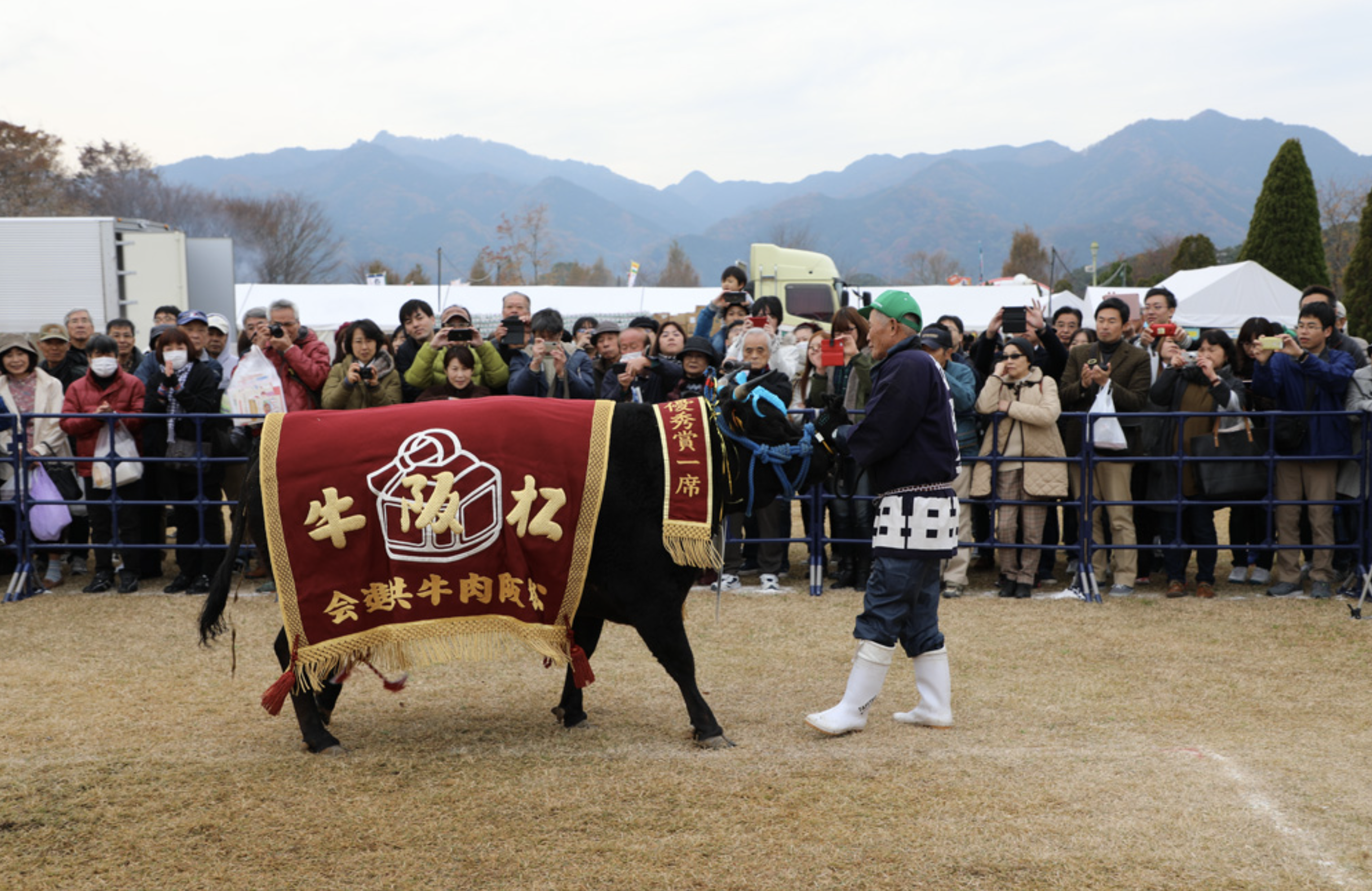
Matsusaka beef cattle competition – Photo Credit: Matsusaka City Tourist Information Center
Matsusaka wagyu (Mie Prefecture)
Often spoken of in reverent tones by Japanese chefs, Matsusaka wagyu is widely regarded as one of the richest beefs in the world. Traditionally sourced from virgin female cattle, it is known for incredibly soft fat and deep, lingering umami. Compared to Kobe, Matsusaka is bolder and more indulgent, often enjoyed in thin slices where the fat can fully express itself. For many connoisseurs, this is wagyu at its most decadent.
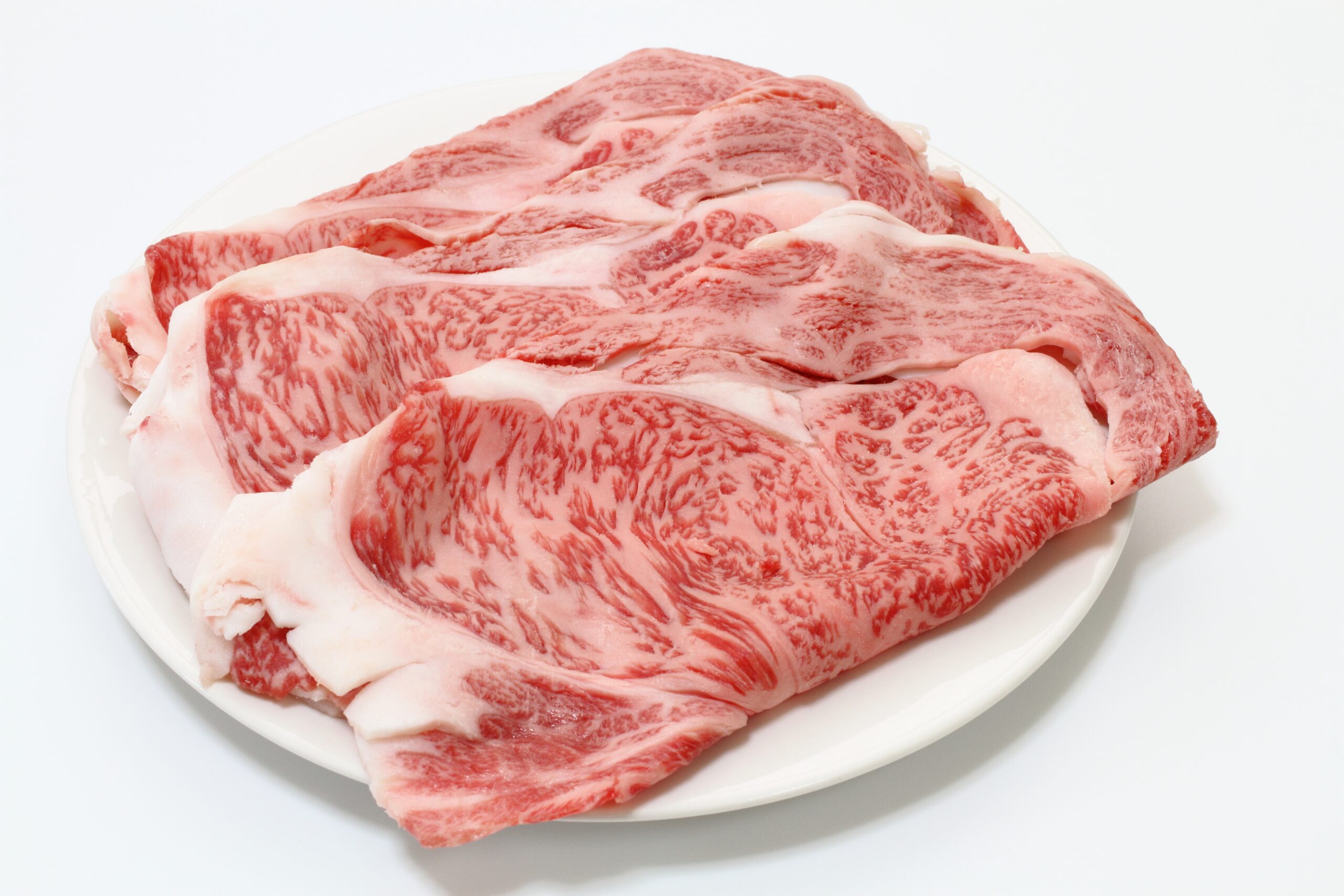
Japanese high-quality beef ‘Omi beef’ for sukiyaki – Photo Credit: YUMIK
Ōmi wagyu (Shiga Prefecture)
Ōmi beef holds the distinction of being Japan’s oldest recorded wagyu brand, with a history stretching back over 400 years. Raised near Lake Biwa, Ōmi wagyu is prized for balance rather than excess. The marbling is elegant, the flavor clean, and the finish refined. It may not chase the extreme richness of some modern styles, but its harmony and depth make it a quiet classic.
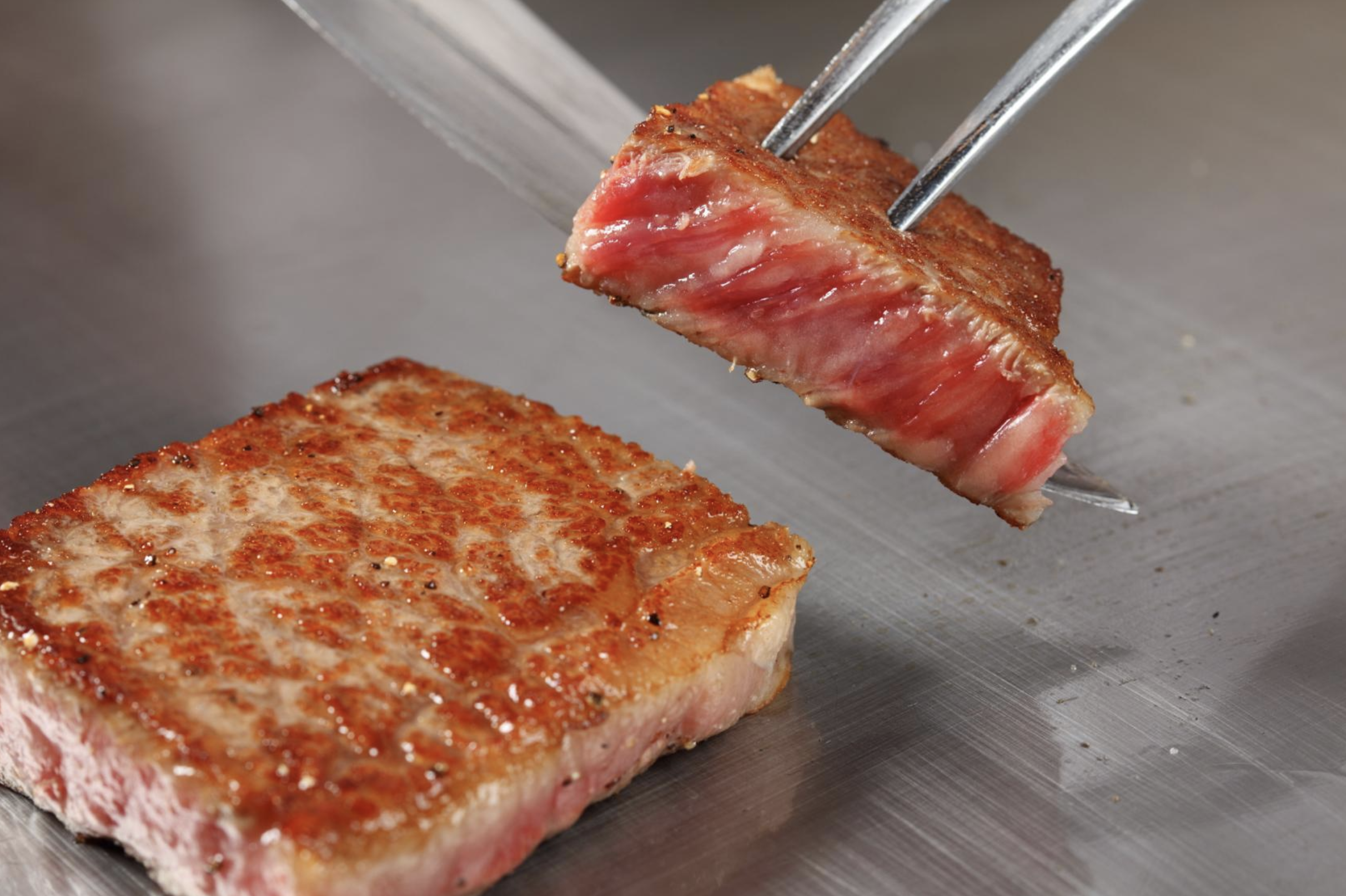
Miyazaki wagyu cooked on the grill – Photo Credit: Miyazaki City Tourism
Miyazaki wagyu (Miyazaki Prefecture)
In recent decades, Miyazaki has emerged as a powerhouse, repeatedly taking top honors at the Wagyu Olympics, a national competition that evaluates Japan’s best cattle. Miyazaki wagyu is intensely marbled, yet remarkably precise in flavor. Meticulous breeding programs, detailed feed control, and a warm climate all contribute to beef that is both luxurious and consistent, making it a favorite among high-end restaurants.
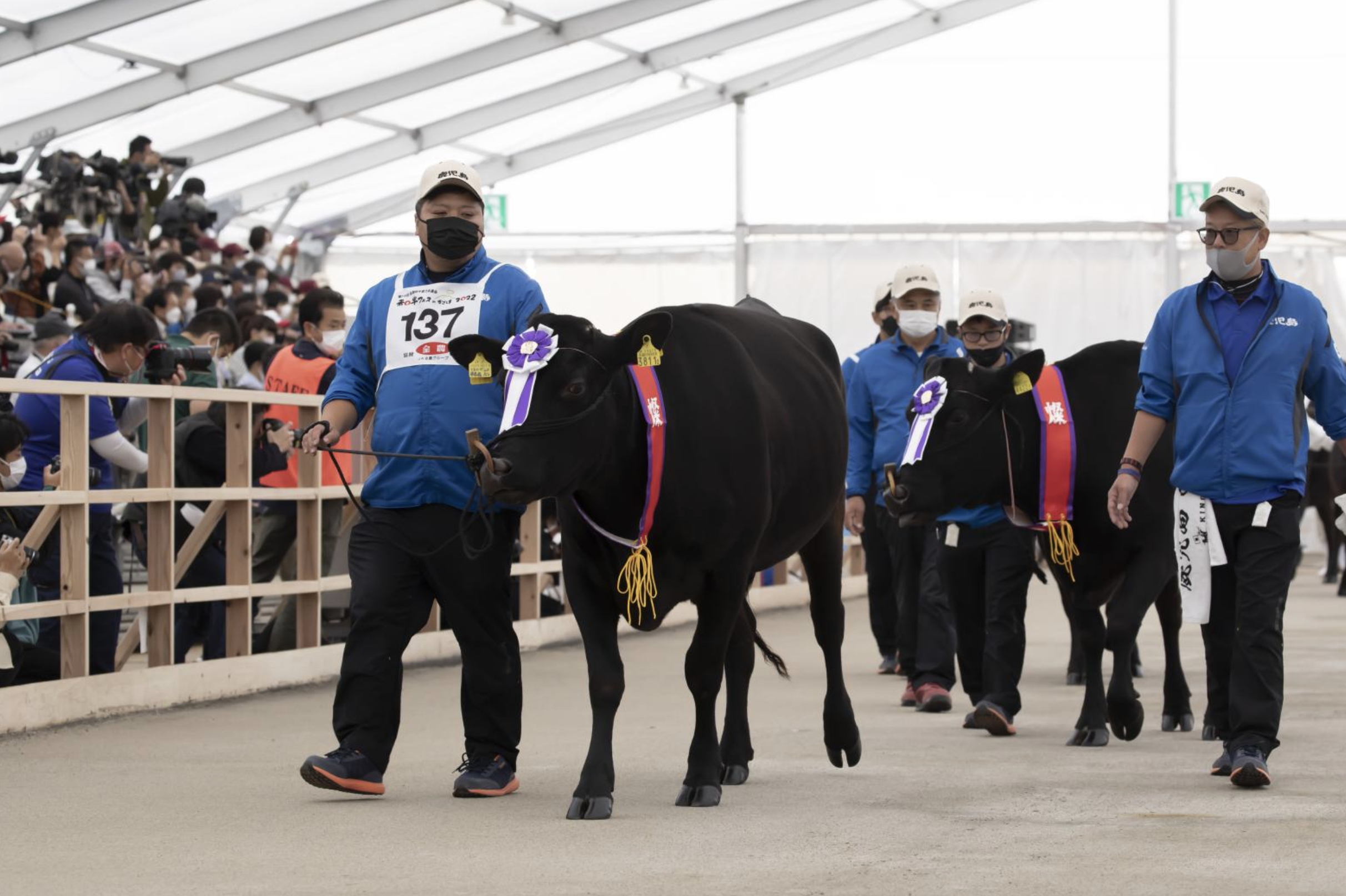
Kagoshima cattle in Wagyu Olympics – Photo Credit: Discover Kagoshima
Kagoshima wagyu (Kagoshima Prefecture)
As one of Japan’s largest wagyu-producing regions, Kagoshima plays a vital role in shaping the modern wagyu supply. The beef is generously marbled with a slightly more pronounced savory character. While it may be more widely available than Kobe or Matsusaka, its quality is undeniable, and it often offers exceptional value for its level of richness.
The lesser-known regions worth knowing
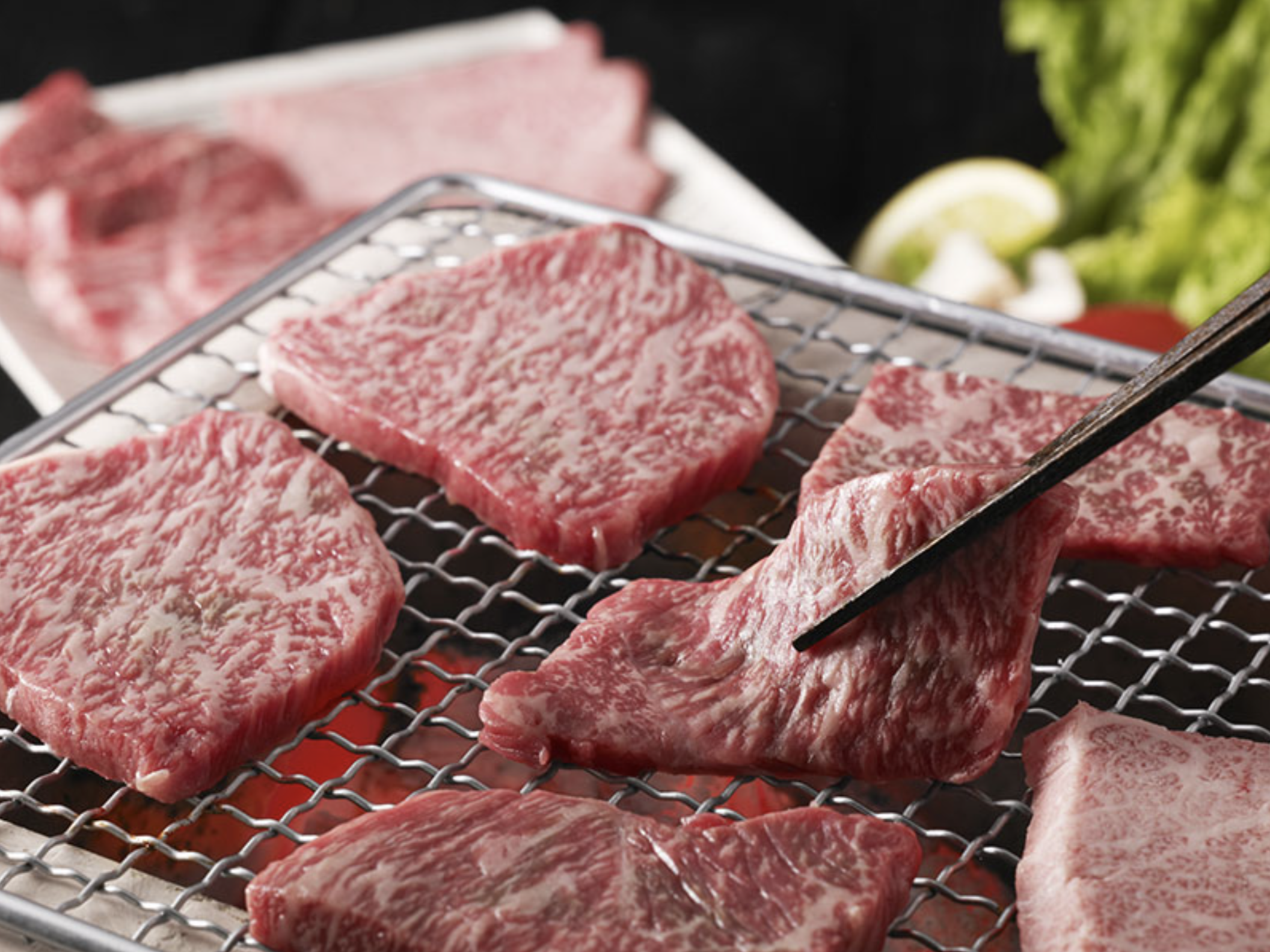
Tender Hida beef – Photo Credit: Visit Gifu
Hida wagyu (Gifu Prefecture)
Raised in Japan’s mountainous interior, Hida wagyu benefits from a cooler climate and slower cattle growth. The result is silky fat with a gentle sweetness and a delicate mouthfeel. Hida beef is often described as elegant rather than overwhelming, making it a favorite among those who appreciate subtlety over spectacle.
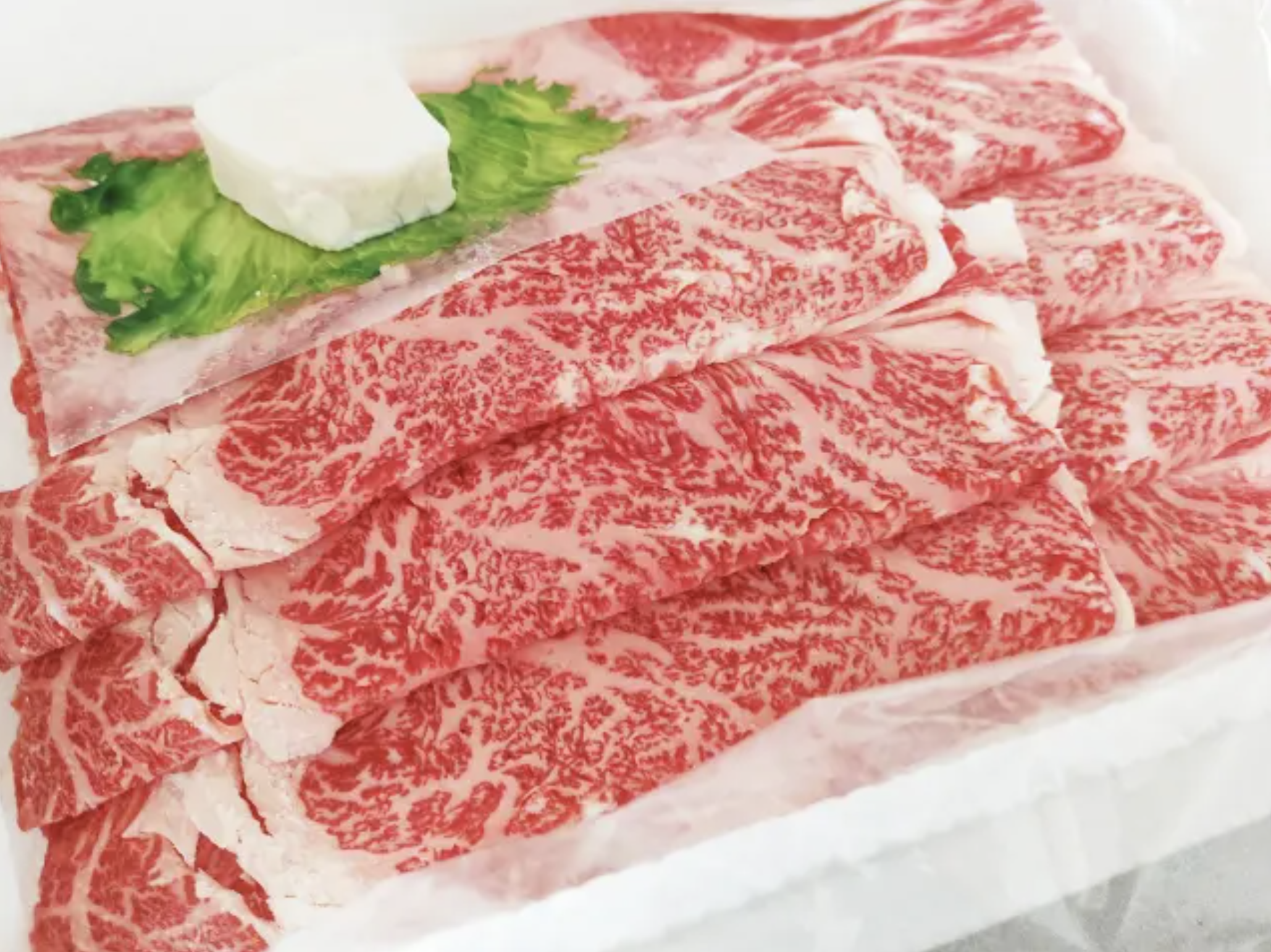
Yonezawa beef sukiyaki – Photo Credit: Neft
Yonezawa wagyu (Yamagata Prefecture)
Yonezawa beef comes from northern Japan, where harsh winters contribute to fine-grained marbling and deep umami. It offers richness without excess, with a clean finish that highlights the quality of the meat itself. Though less internationally known, it has a devoted domestic following.
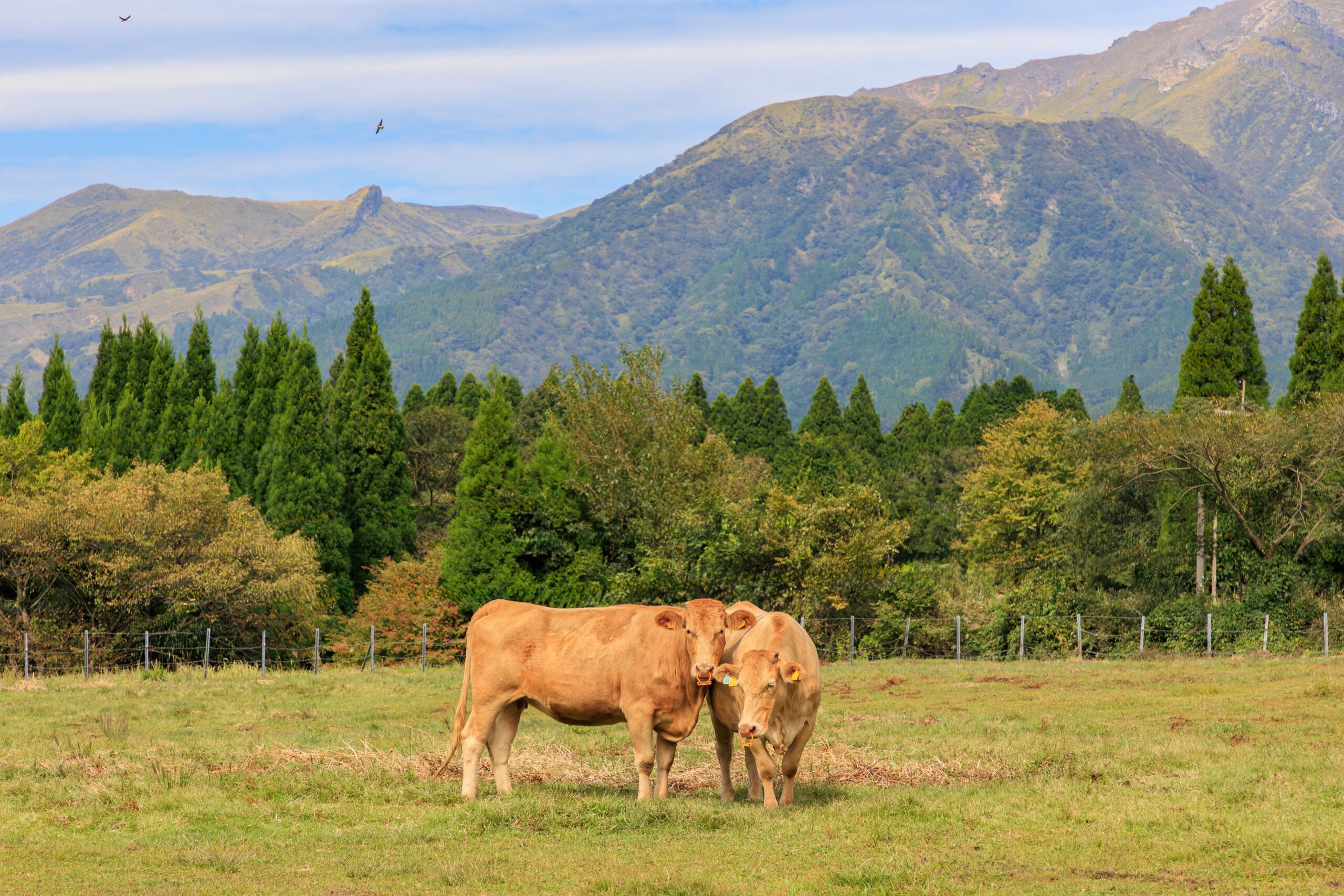
Kumamoto and Aso wagyu (Kumamoto Prefecture)
Cattle raised near Mount Aso grow up surrounded by volcanic soil, clean water, and open pastureland. Aso wagyu often emphasizes beef flavor alongside moderate marbling, appealing to diners who want complexity without overwhelming richness. It pairs particularly well with simple preparations like grilling or sukiyaki.
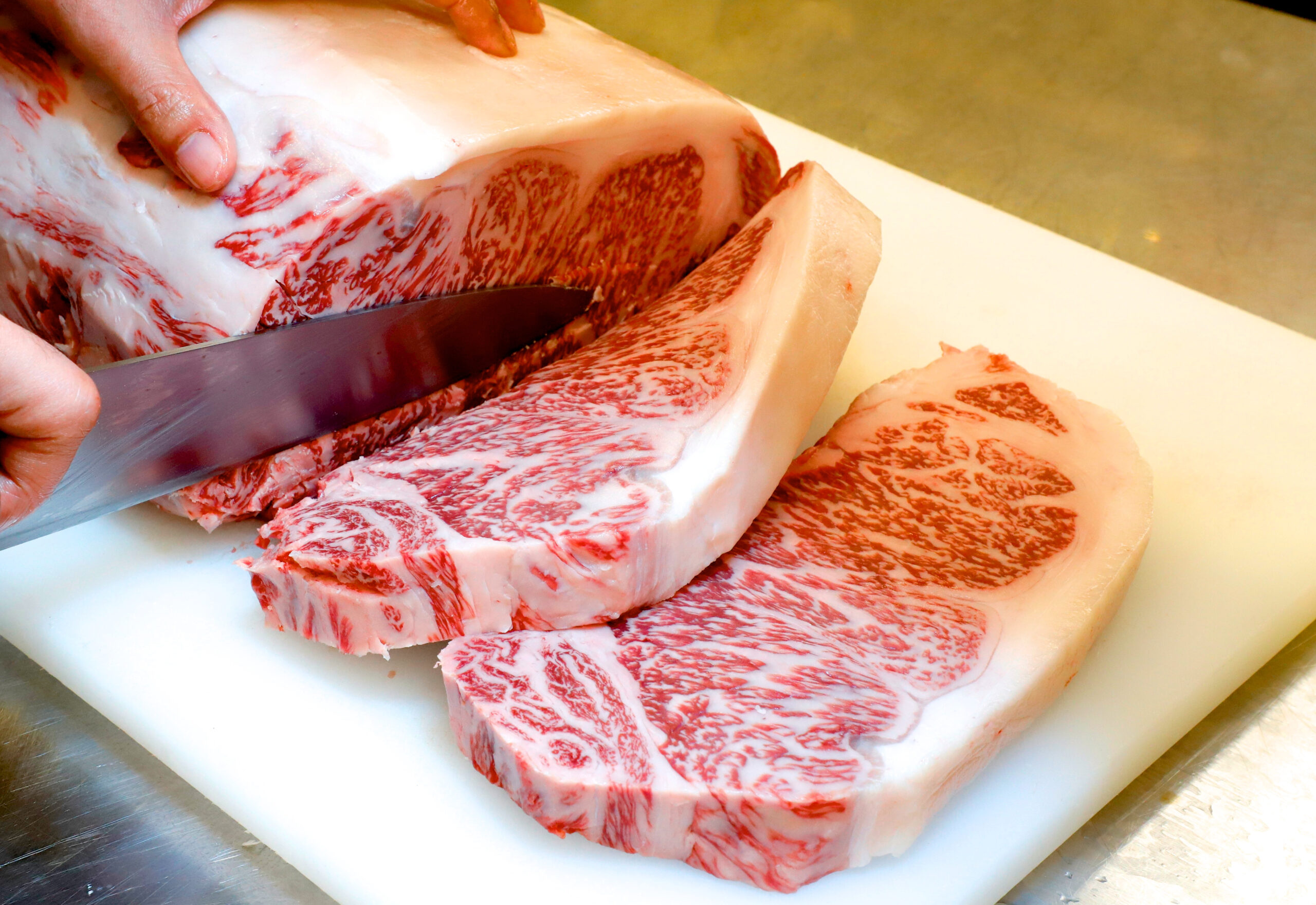
A chef cutting wagyu steaks – Photo Credit: Osacr_Y
Other regional producers
Regions such as Iwate, Tottori, and Shimane produce smaller quantities of wagyu that rarely leave Japan. These cattle meats tend to be deeply regional, shaped by local feed and farming traditions. While less famous, they embody the diversity that defines wagyu as a whole.
Kobe may be the gateway, but Japan’s wagyu story is far richer than a single name. From the historic elegance of Ōmi to the competition-winning precision of Miyazaki and the quiet sophistication of Hida, each region tells a story of place, patience, and pride. Exploring wagyu by region transforms it from a status symbol into a journey, one that rewards curiosity as much as indulgence.
Featured Photo Credit: sorao.211
Take the first step in exploring Japan’s rich cuisine with one of our expertly guided, local Food Tours in Japan’s major cities!
PIN THIS FOR LATER
Book your pocket wifi now to stay connected through your entire Japan Journey!

Be sure to get the JR Pass to make navigating Japan during your trip that much easier!
YOU MIGHT ALSO LIKE