THE BEST SEASONAL DISHES: JAPANESE FOOD IS MORE THAN SUSHI AND RAMEN
Mar 8, 2026
BY Chisato Takahashi
When you think of “Japanese food,” what comes to mind? Perhaps sushi and ramen, right? But there’s so much more Japanese cuisine to recommend.
In this post, I’ll introduce some authentic Japanese dishes that every traveler should try in each season! Thus, make sure to check out these recommendations and give them a try on your next trip to Japan!
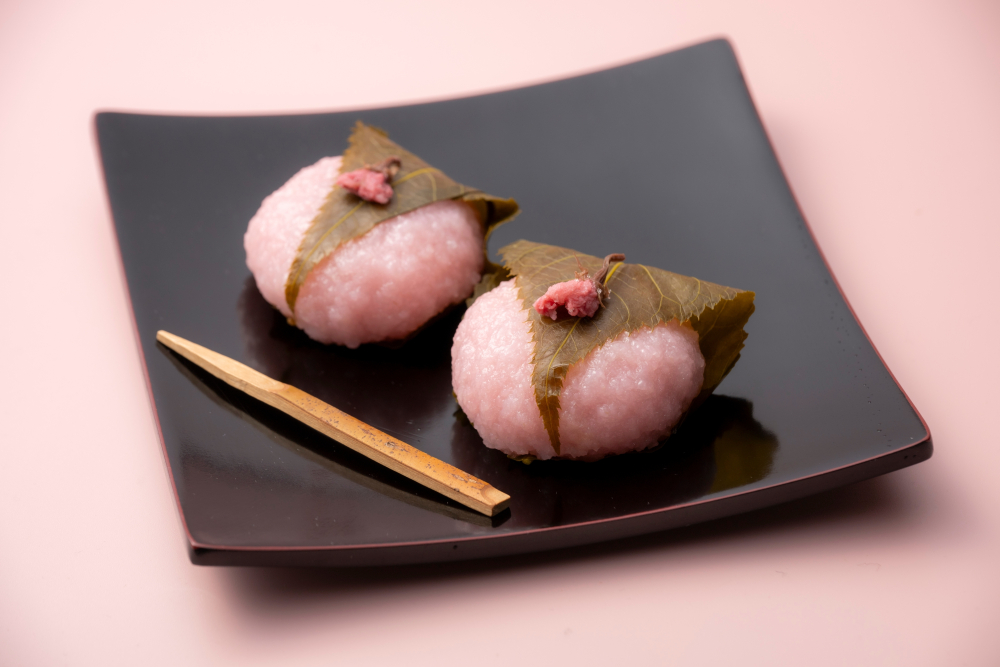
Sakura Mochi, a traditional spring treat – Credit: Chiristsumo
What to try in Spring?
Sakura Mochi
Sakura mochi is a traditional spring sweet, known for its pink color and wrapped in a salted sakura leaf. Interestingly, the style of sakura mochi varies by region. In the Kanto area, it’s made with a thin crepe-ish dough, while in Kansai, it’s made with a chewy rice cake that looks like a ball, and both have a sweet red bean filling inside.
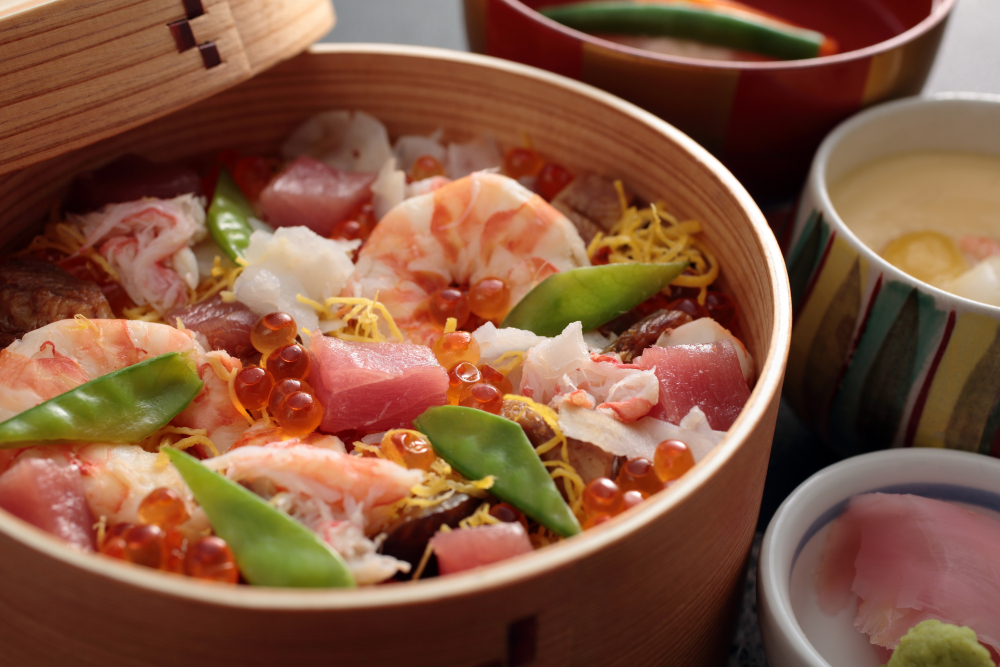
Beautiful chirashi sushi with rich and vibrant colors – Credit: usukkey
Chirashi Sushi
When you hear “sushi,” you might think of Nigiri or Maki sushi, but sushi has many types, such as Inari sushi. This colorful Chirashi sushi is often eaten during “Hinamatsuri,” a festival that celebrates the healthy growth of young girls. In general, the ingredients differ by region. For instance, in Western Japan, Chirashi sushi is typically made with cooked or grilled ingredients, while in Eastern Japan, it uses fresh toppings like raw fish on vinegared rice.
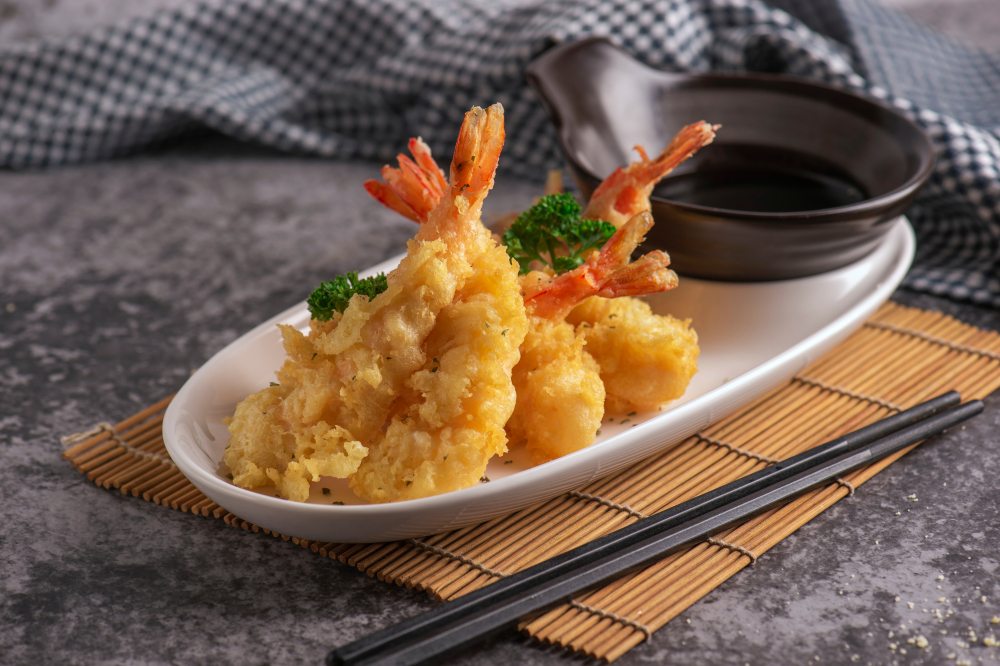
Crispy fried tempura prawns – Credit: Aedka Studio
Tempura
While tempura doesn’t have a specific season, it always reminds me of spring. When I was younger, I didn’t like the concept of “enjoying the natural flavors of ingredients.” However, I changed my mind after foraging for mountain vegetables in spring and tasting freshly picked mountain vegetables as tempura. The subtle bitterness and delicate flavors blew me away, and I finally understood what makes tempura special. In spring, many mountain vegetables like fatsia sprout, butterbur scape, bracken, and fern shoot are in season. So please try them as tempura to savor the real flavor of nature.
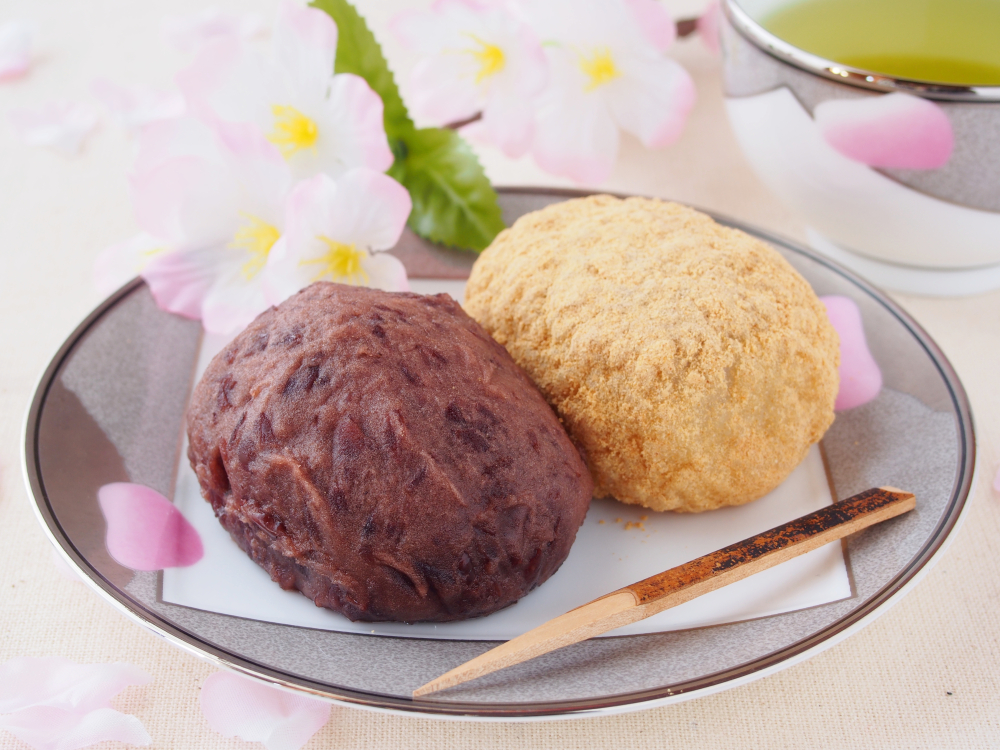
Botamochi, sweet rice balls coated in red bean paste (anko) and roasted soybean flour (Kinako) – Credit: The_Wander_Eddie
Botamochi
Botamochi is made from lightly mashed sticky rice, coated in sweet red bean paste or roasted soybean flour called “Kinako”. The name changes with the seasons. In spring, when 牡丹 (Botan: peonies) bloom, it’s called “Botamochi,” while in autumn, when the 萩 (Hagi: bush clover) bloom, it’s called “Ohagi.” Moreover, red beans are believed to have protective powers, so it’s a great sweet for special occasions!!
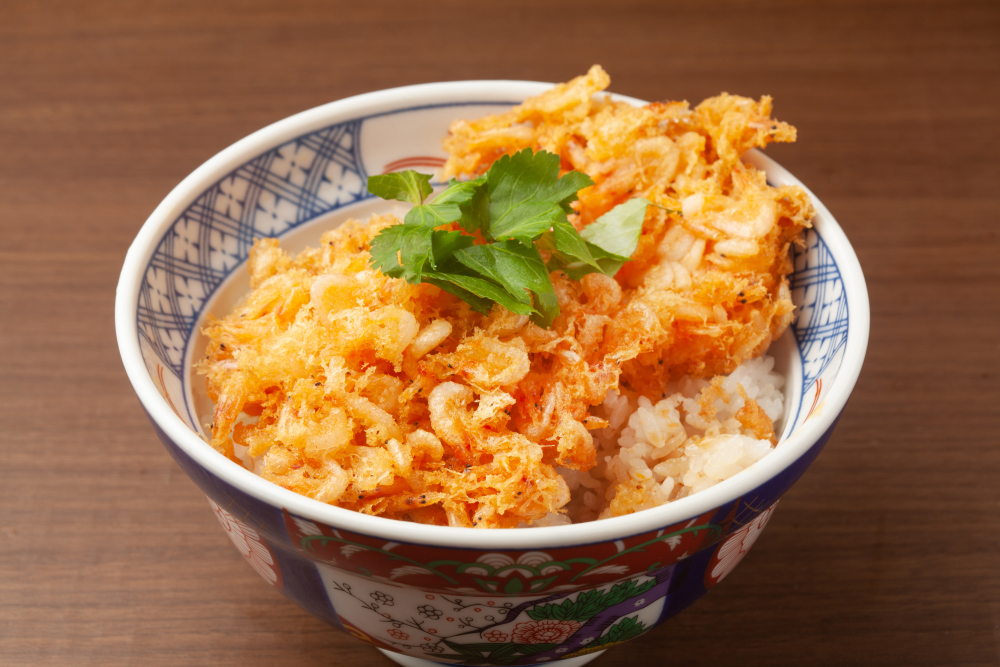
Sakura shrimp kakiage served over rice – Credit: sasazawa
Sakura Shrimp Kakiage
Sakura shrimp kakiage is a local food of Shizuoka Prefecture and is famous for its incredible freshness and flavor. What makes Sakura shrimp very special is that they are only found in Suruga Bay and Taiwan, which is why they’re sometimes referred to as “the jewels of Suruga Bay.” Their best season begins in spring, so don’t miss the chance to try this precious dish when you visit Japan.
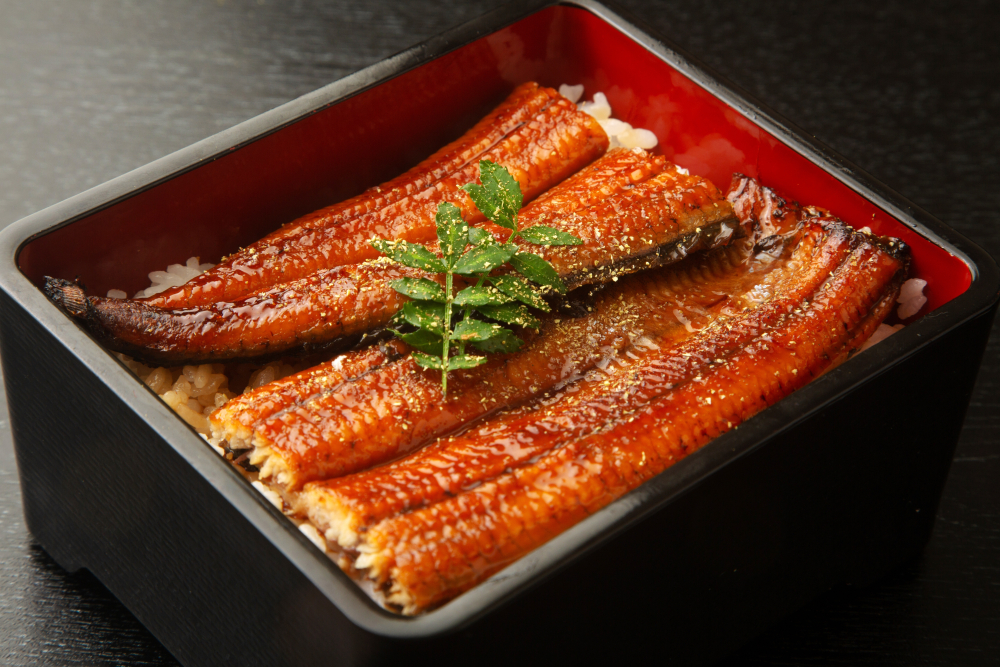
Una-ju, a Japanese summertime stamina food – Credit: sasazawa
What to Try in Summer?
Una-ju
In Japan, it’s said that eating foods starting with the Japanese character “u”, such as unagi (eel), umeboshi (pickled plum), uri (gourd), and udon, helps prevent summer fatigue, especially on Midsummer Day of the Ox. The most famous tradition is eating Una-ju (Unagi bowl) during summer. This dish is caramelized with a sweet soy-based glaze and will melt in your mouth. But, you can’t visit Japan in the summer? No worries, Una-ju can be enjoyed throughout the year, and you can also try wild-caught eel between October and December, when eel is at its fattiest and most delicious. Why not eat Una-ju and beat the Japanese hot summer?
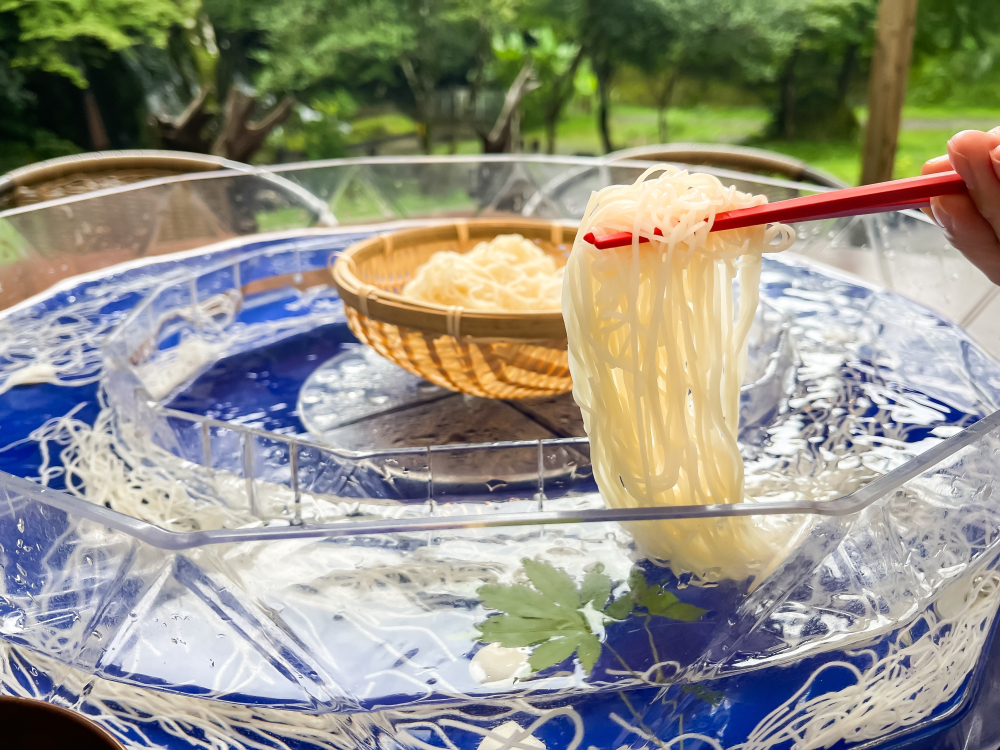
Nagashi Somen, catching the flowing cold noodles – Credit: yukimco
Nagashi Soumen
Nagashi soumen is one of the most famous summer foods in Japan, which is thin noodles made from wheat flour, boiled, and then served by sending them down a stream of cold water through bamboo. Unlike udon, ramen, or soba, these noodles are incredibly thin and easy to swallow, making them a perfect dish when you get sick from the heat. While you can enjoy soumen without the flowing water, the bamboo style adds an extra touch of coolness. So it is a must-try to refresh the summer experience!!
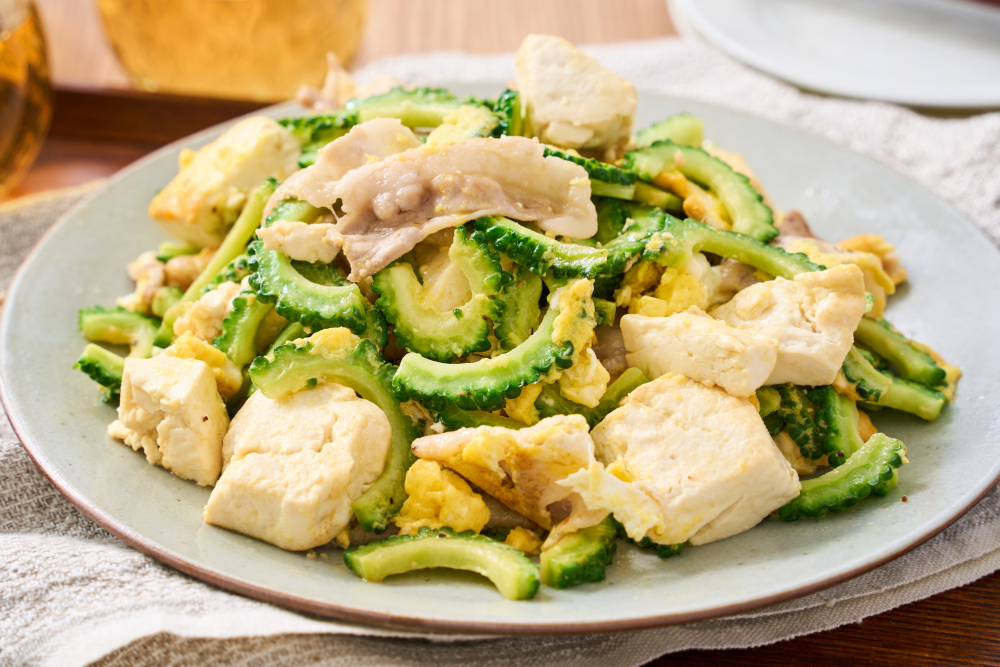
Okinawan Goya Champuru with goya, tofu, egg, and pork – Credit: karins
Goya Champuru
In the Okinawa dialect, “Champuru” means “mishmash”, and “Goya Champuru” is a local gourmet dish in Okinawa that is mixed up with goya (bitter melon) and tofu. Goya, which is the king of summer vegetables, has numerous vitamins with a bit of bitterness. Personally, I love the combination of Goya’s bitterness and Umami. If you like bitter veggies, definitely try authentic Goya Champuru when you visit Okinawa!

Fresh takoyaki served in a traditional boat-shaped tray – Credit: Nishihama
Takoyaki
When you think of summer in Japan, you think of summer festivals, right? If you visit one, make sure to grab some Takoyaki, a famous dish from Osaka. While Takoyaki is not a seasonal food, the best season for tasty Octopus is from June to August. The combination of tender octopus and crispy “Atsu Atsu” batter, paired with a cold beer, is the ultimate way to savor the Japanese summer festival!
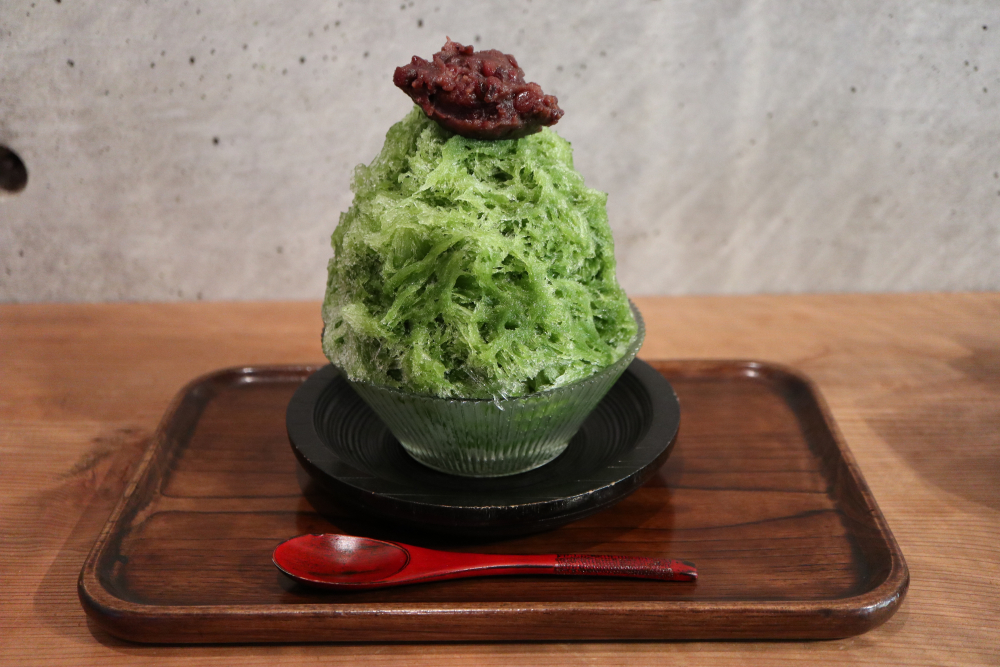
Matcha-flavored kakigori topped with azuki – Credit: HanzoPhoto
Kakigori
Kakigori is a beloved summer treat in Japan, enjoyed by both kids and adults. It’s made by shaving ice and topping it with sweet syrup or fruit, offering a variety of textures to enjoy. At summer festivals, you’ll often find the traditional crunchy-style Kakigori, and in restaurants, you can savor a fluffier, melt-in-your-mouth version. To cool down in the summer heat, don’t miss out on trying some refreshing Kakigori in Japan!
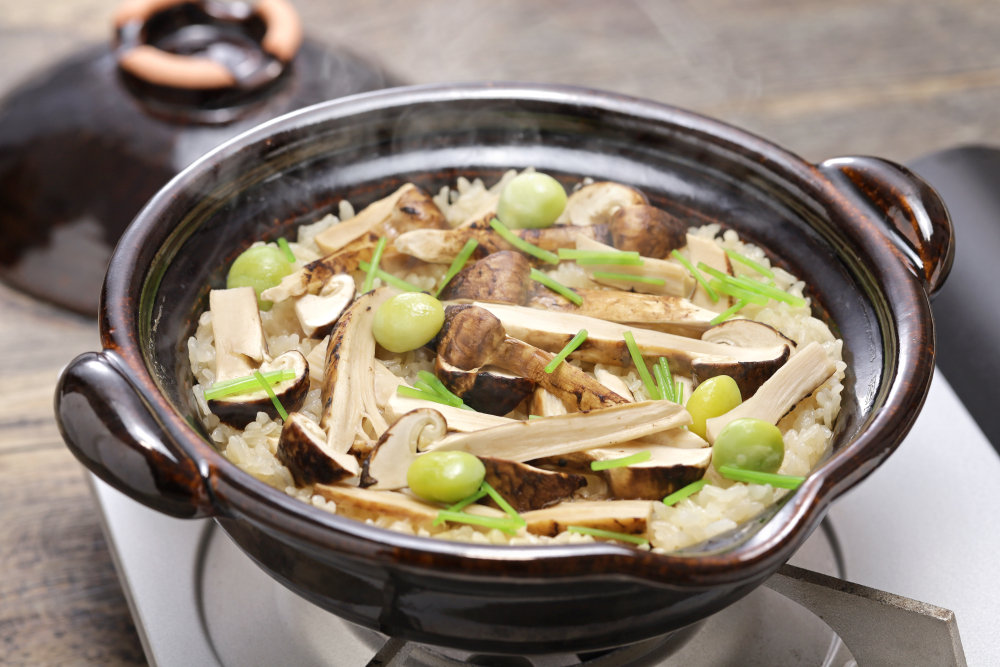
One great Matsutake Mushroom dish, Matsutake Gohan – Credit: bonchan
What to Try in Autumn?
Matsutake Dishes
Matsutake mushrooms are known as the “king of autumn flavors” in Japan and are considered a seasonal delicacy. Interestingly, while matsutake is famous for its firm texture and rich aroma in Japan, they have a different opinion in Northern Europe, where their scientific name translates to “sock mushrooms.” Grilled matsutake and matsutake rice are incredibly delicious, so why not try this luxury ingredient in Japan and figure out if Matsutake relates to socks?
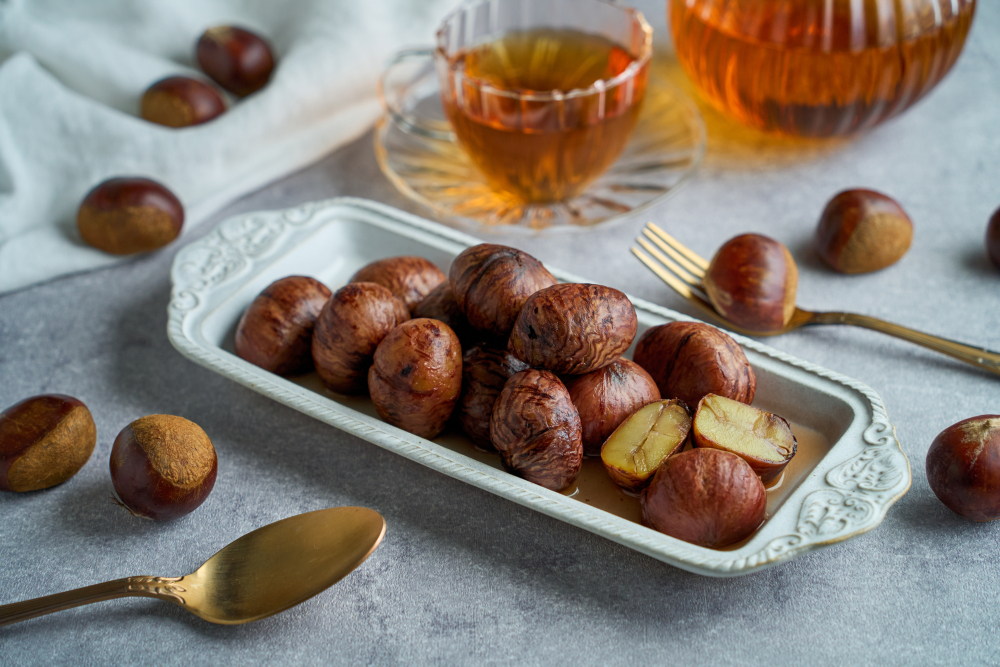
Candied Japanese chestnuts in a sweet syrup, perfect for autumn – Credit: karins
Maron
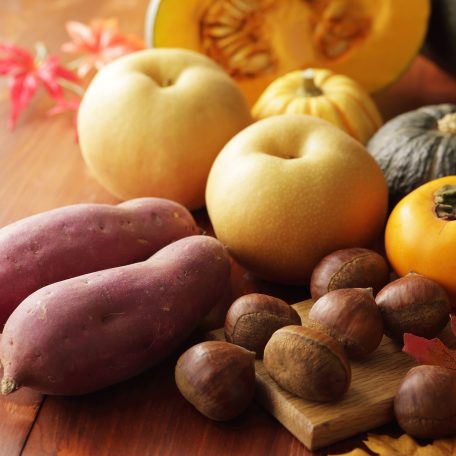
Maron is in season from September to October and often warms up home dining, especially Maron rice. Generally, Japanese Maron are larger, sweeter, and have a fluffy texture compared to Western Maron. I also recommend trying Mont Blanc cakes, as many Japanese cakes blend Western influences with Japanese ingredients and tastes, making them unique and new styles!
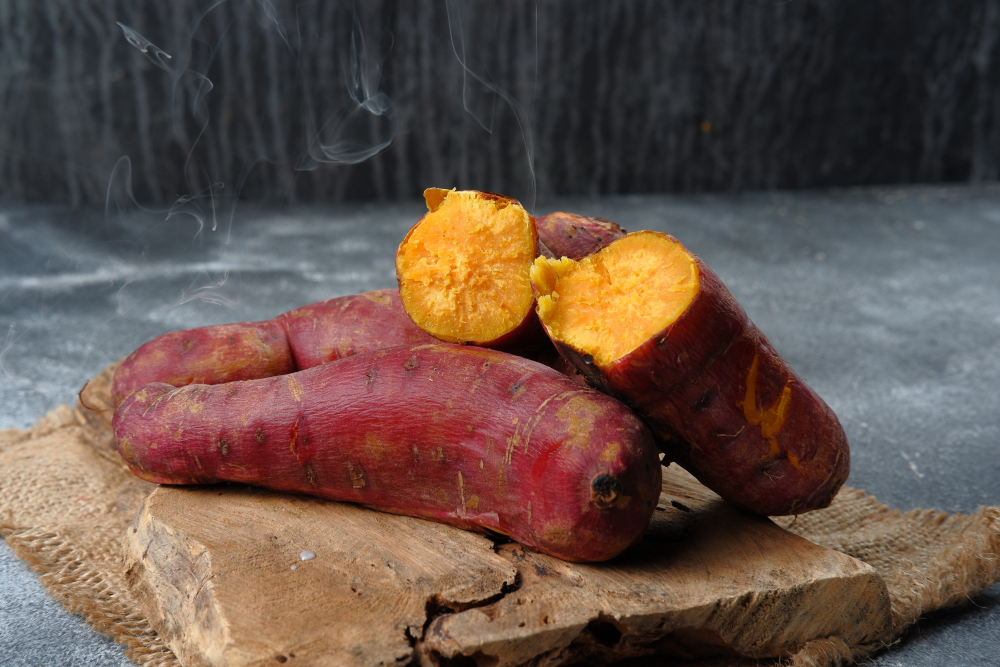
Classic Yaki-imo (roasted sweet potato) – Credit: ROHE Creative Studio
Sweet Potato Dishes
Sweet potatoes are another classic autumn ingredient, cherished in Japan in various ways like Yaki-imo (roasted sweet potatoes), sweet potato cakes, and Daigaku-imo (candied sweet potatoes). Japan’s diverse climate, stretching from Hokkaido in the north to Okinawa in the south, allows each region to put much effort into its product with a specific environment. And this hard work results in some of the tastiest produce, so make sure to try Japan’s beautiful purple sweet potatoes this autumn!
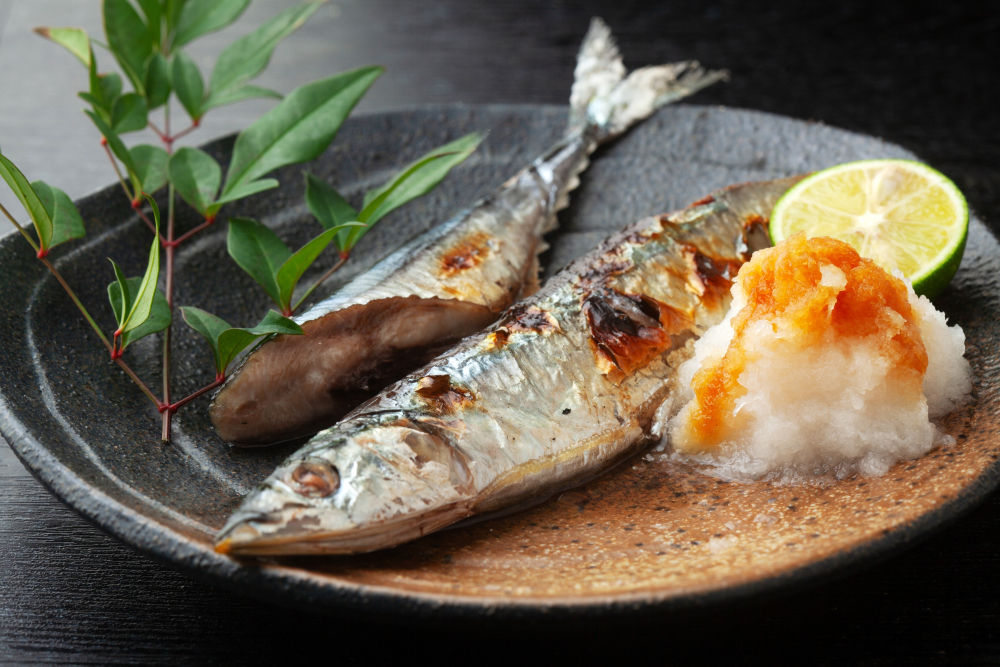
Sanma that has been salted and grilled – Credit: sasazawa
Sanma Dishes
The name “Sanma” (秋刀魚: Pacific saury) means 秋 (autumn), 刀 (sword), and 魚 (fish), reflecting its sharp shape, silver color, and peak season from September to October. Interestingly, sanma has no stomach and only a very short intestine, so there’s almost no waste inside. Thus, this makes the innards, which are rich in vitamin A, pretty delicious. For a true taste of autumn, I recommend that you enjoy fresh sanma grilled with a sprinkle of salt.
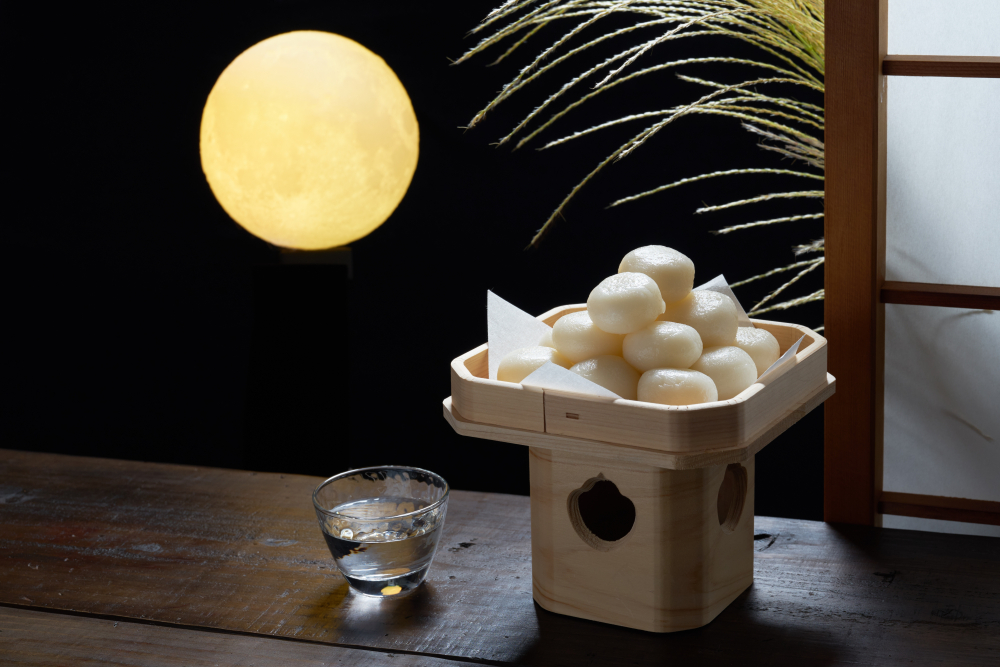
Tsukimi Dango on a traditional serving plate – Credit: manbo-photo
Tsukimi Dango
“The moon is beautiful, isn’t it?”
This is a famous romantic expression in Japan that translates to “I love you.” In my opinion, Japanese people have a special affection for the moon. For example, while there are eight phases of the moon in English, there are 14 in Japanese, and there are also various beautiful names that reflect seasons, weather, and even emotional nuances. My favorite is “Seigetsu,” which describes the clear and fresh moon after the rain. Moreover, during the autumn full moon, known as the “中秋の名月,” there’s a tradition of offering Tsukimi dango (moon-viewing rice dumplings), along with pampas grass and autumn produce like sweet potatoes and Maron, to give thanks and pray for a good harvest. Enjoying the beauty of the autumn moon and some Tsukimi dango at the same time would make your trip very romantic!
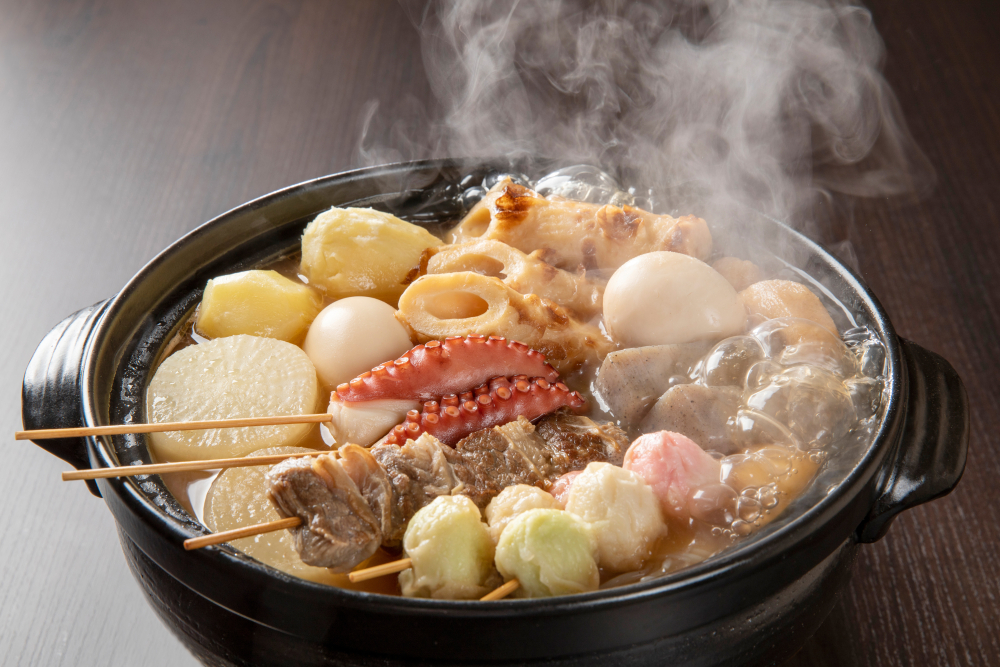
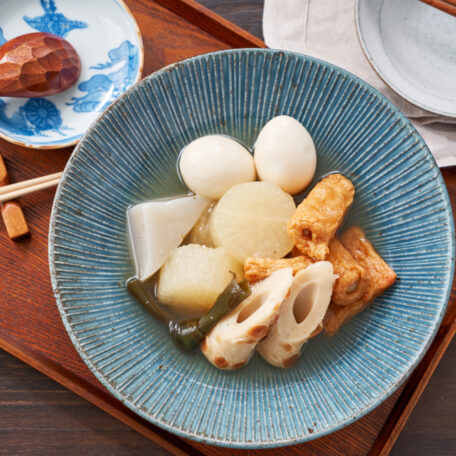
Oden, one of Japan’s best home-cooked winter dishes – Credit: HikoPhotography
What to Try in Winter?
Oden
When it comes to cold weather, nothing beats Oden!! It’s one of my favorite dishes, warming both the body and heart. The special charm of Oden is how it reflects local ingredients and cultures across Japan. For instance, in the Kanto region, you’ll find fish cakes like Hanpen, Tsumire, Chikuwa, and Suji (beef tendon), with a rich, dark broth. Meanwhile, in Hokkaido, oden often includes mountain vegetables, whelk shellfish, and scallops. Indeed, enjoying Oden with a warm glass of sake is one of the best experiences in the world. So please explore the regional Oden as much as possible and find your favorite!
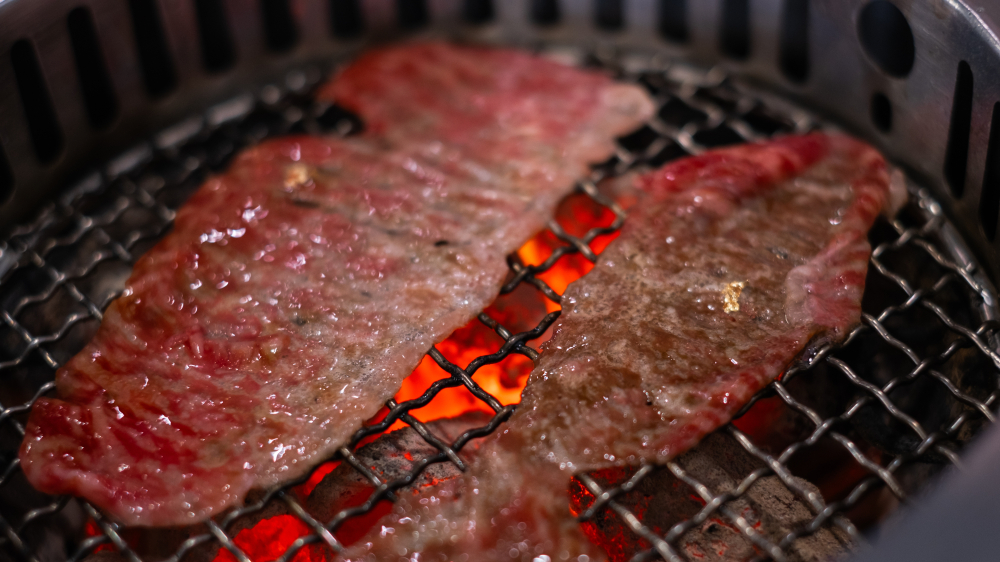
Premium marbled A5 wagyu on the grill – Credit: Supapich Methaset
Wagyu
Do you know the best time of year to enjoy beef? Cows are quite resilient to the cold but sensitive to heat, which can cause them to lose their appetite or retain excess water in summer. However, as temperatures drop, they naturally store more fat to keep warm, which is why wagyu beef is particularly delicious in the colder months, especially around February. If you want to savor the melt-in-your-mouth texture of wagyu, winter is the perfect time to do it!!
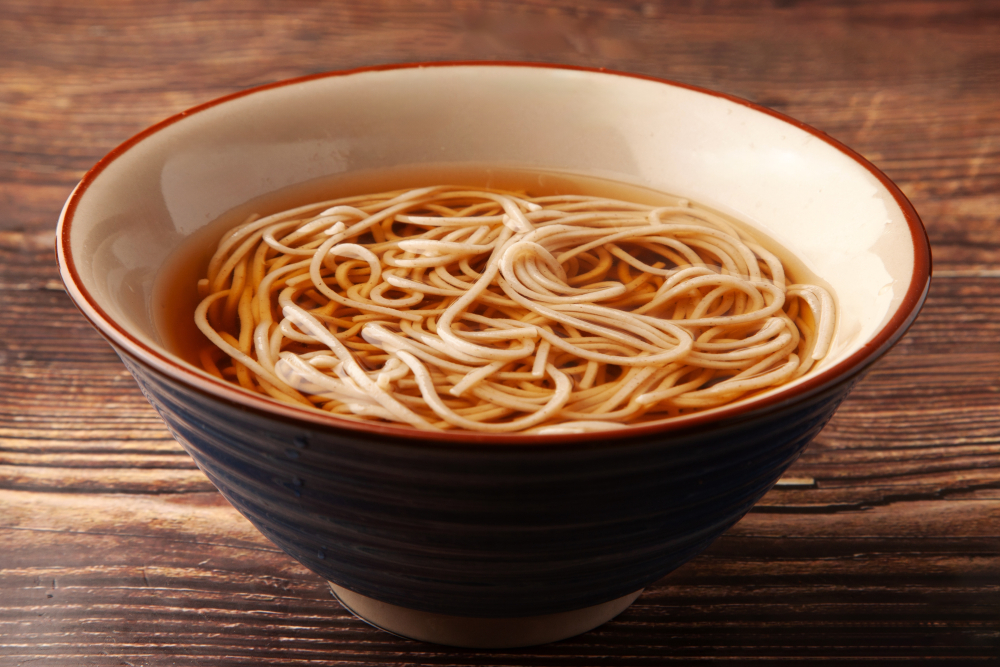
Hot soba noodles served in a bowl – Credit: sasazawa
Soba
In Japan, there’s a special reason to eat soba in winter, and it’s a way to cut away the misfortunes and challenges of the past year and welcome new ones. For visitors to Japan during the New Year season, don’t miss the chance to eat warm Toshikoshi soba on New Year’s Eve to prepare for a fresh start in the coming year.
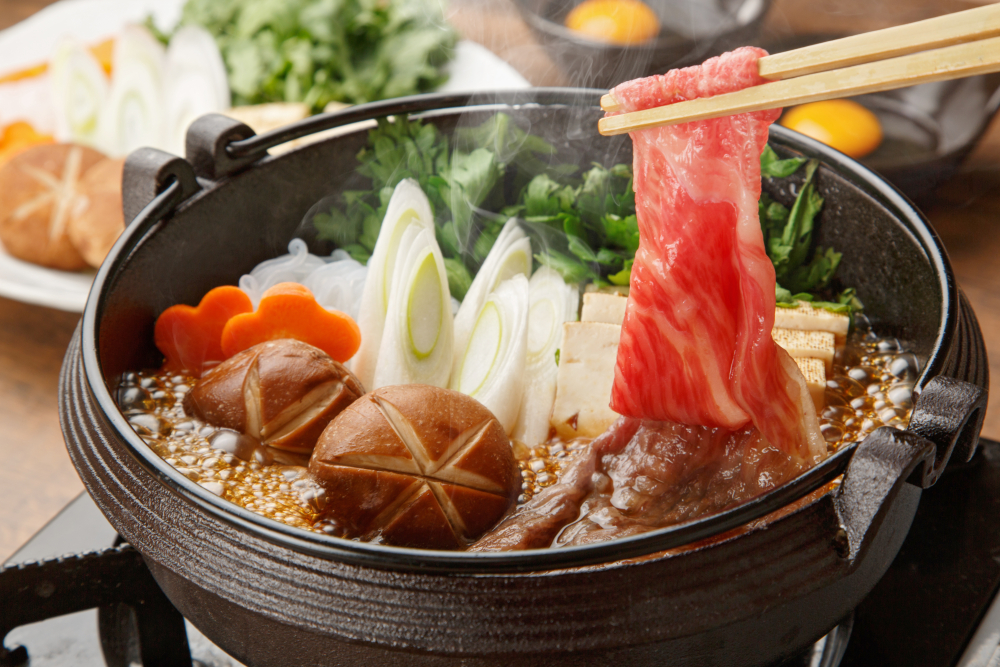
Delicious beef sukiyaki – Credit: sasazawa
Sukiyaki
Sukiyaki is a dish made with a broth of soy sauce, sugar, and sake, cooked with ingredients like beef, leeks, Shungiku (edible chrysanthemum greens), and grilled tofu. Since Japan’s winter is very dry and cold, dishes like sukiyaki, which are both warm and hydrating, are very crucial. In addition, the combination of tender beef dipped in fresh raw egg and the rich, sweet-soy-based broth is utterly addictive.
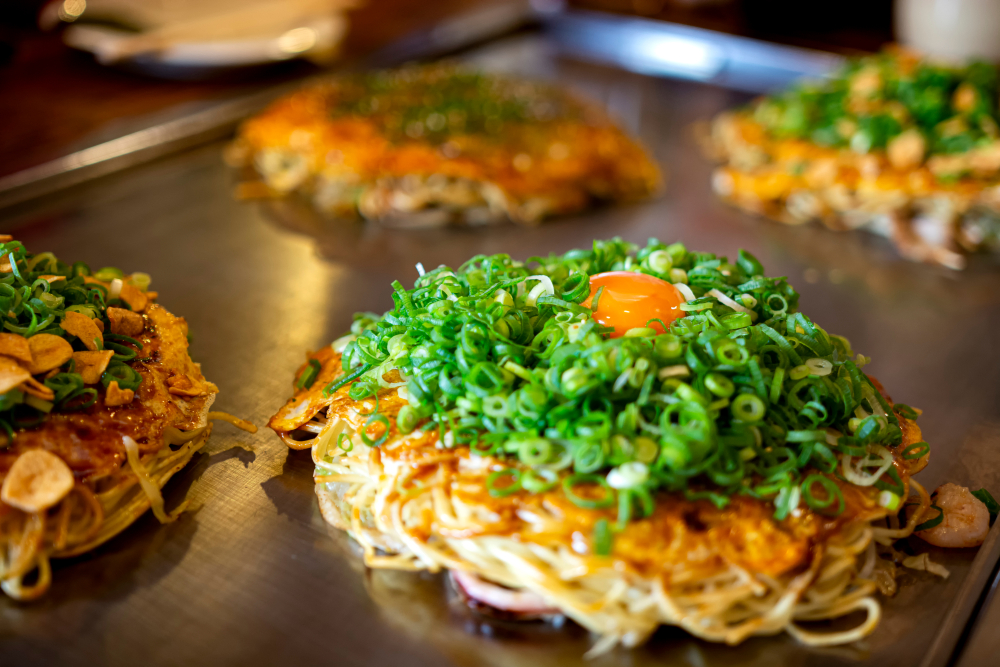
Traditional Hiroshima-style okonomiyaki – Credit: Karol Ciesluk
Okonomiyaki
A speciality of Osaka and Hiroshima, okonomiyaki can be enjoyed all year round, but it tastes especially good in winter when the key ingredient of cabbage becomes sweeter as it grows in the cold. As the name suggests, “お好み焼き” Okonomi (favorite) yaki (Cook) is all about cooking your favorite ingredients, making it a great choice for anyone seeking a new Japanese taste. I recommend trying variations with mochi, cheese, and Mentaiko (spicy cod roe), or even Shiso for a delicious twist.
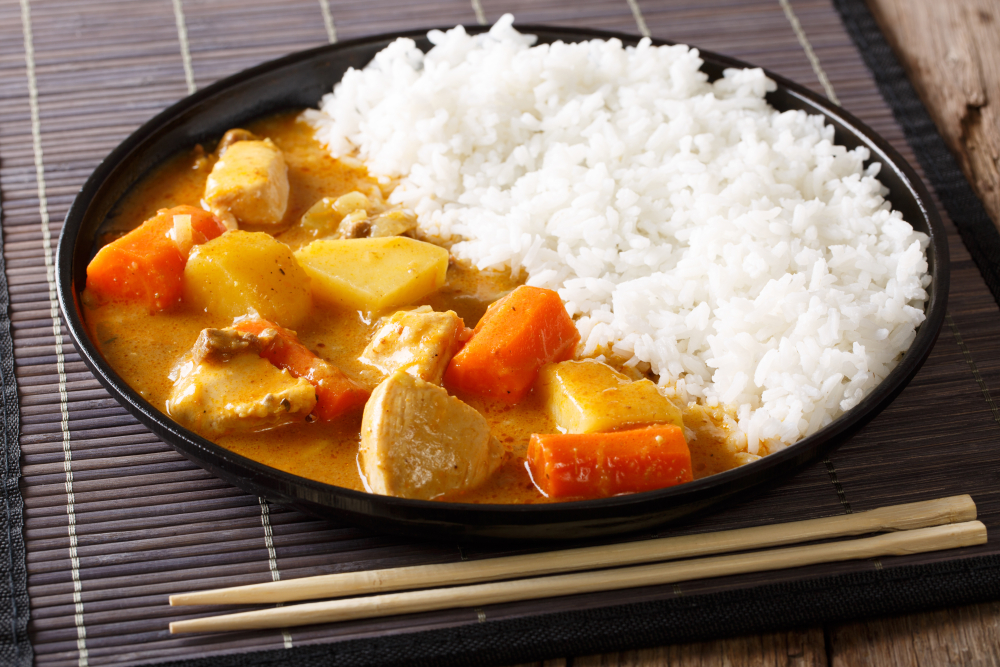
Japanese curry and rice, another typical hearty dish – Credit: Sergii Koval
As you can see, Japan’s cuisine offers far more than just sushi and ramen, with each season bringing unique flavors and dishes that showcase local ingredients and traditions. In Japan, there’s always something new and delicious to discover. So next time you visit Japan, be sure to explore beyond the usual favorites and indulge in the seasonal and precious specialties!
Feature photo credit: norikko
For more foodie adventures across Japan, no matter the season, check out our list of Food Tours to find the next perfect experience for you!
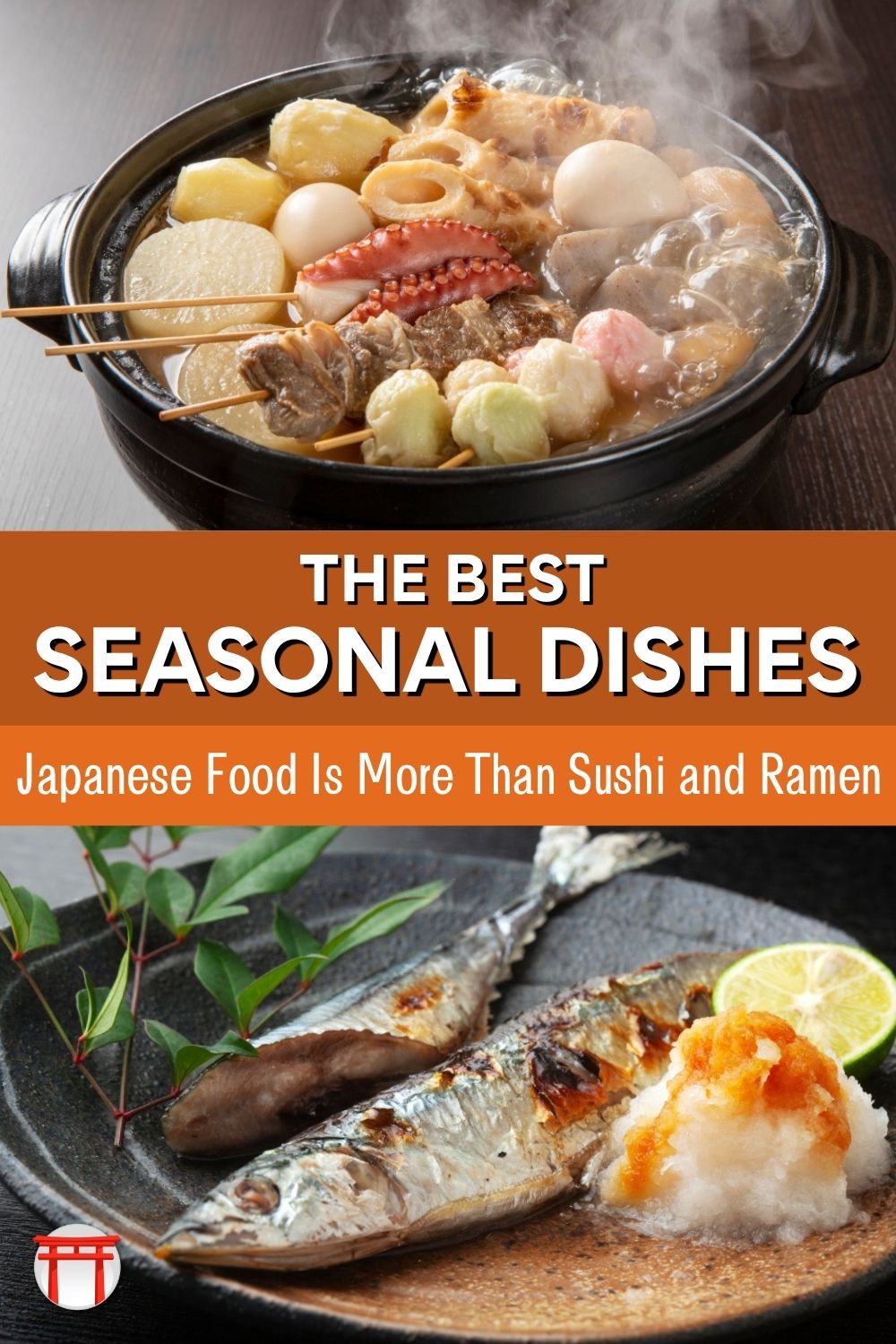
PIN THIS FOR LATER
Book your pocket wifi now to stay connected through your entire Japan Journey!

Be sure to get the JR Pass to make navigating Japan during your trip that much easier!
YOU MIGHT ALSO LIKE